Many backyard chicken keepers look for organic, minimally processed feeds. Scratch and Peck Feeds makes whole-grain layer feeds, including certified organic and soy-free options. This review looks at what makes it different, how to feed it and its trade-offs.
The Short Answer: Scratch and Peck Organic Layer is a whole-grain, certified organic layer feed with soy-free and corn-free options. It appeals to owners who want recognizable ingredients. It costs more than conventional feeds, and its mash texture can lead to picky eating and waste unless you ferment or wet it.
Key Details
| Feature | Details |
|---|---|
| Type | Whole-grain layer feed |
| Certification | Certified organic and non-GMO options (check current label) |
| Form | Mash with visible whole grains |
| Options | Soy-free and corn-free versions available |
| Best for | Owners who want organic, minimally processed feed |
What It Is and How It Works
Unlike pelleted feeds, Scratch and Peck feeds look like a mix of whole and cracked grains, seeds and other ingredients. Owners can see what’s in it.
The downside of a mash is that hens may pick out favorite pieces and leave the rest, including fine particles that hold important nutrients. The company suggests fermenting the feed, which many owners say reduces waste and makes the feed more appealing.
Organic feeds are more expensive. Whether that’s worth it depends on your priorities. See what to feed backyard chickens.
What We Like
- Certified organic options
- Whole, recognizable ingredients
- Soy-free and corn-free versions
- Can be fermented
- Popular with organic flock owners
Drawbacks
- Higher price
- Mash can lead to waste
- Hens may pick out favorite grains
- Fermenting adds work
Feeding the Right Birds the Right Feed
Layer feed is designed for hens that are actively laying. A few rules help keep the whole flock healthy:
| Bird | Typical feed |
|---|---|
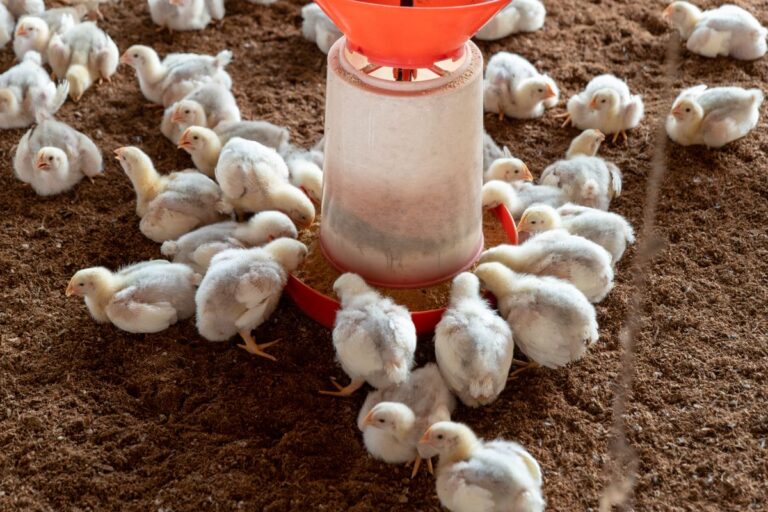
| Chicks (hatch to about 6 to 8 weeks) | Chick starter |
| Growing pullets | Grower or starter-grower until laying begins, often around 16 to 20 weeks |
| Laying hens | Layer feed, plus free-choice oyster shell |
| Mixed flocks with roosters, non-layers or young birds | All-flock or grower feed, with oyster shell on the side for layers |
Layer feed contains extra calcium for eggshells. Too much calcium can harm the kidneys of growing birds, so chicks and young pullets shouldn’t eat it. Treats and scratch grains should make up no more than about 10% of the diet, or they dilute the nutrition in the feed. See what to feed backyard chickens.
Things to Consider Before Buying
- Compare cost with conventional feed.
- Plan how you’ll reduce waste.
- Consider fermenting.
- Use separate feed for chicks.
- Store properly.
Tips for Using It
- Ferment feed for a few days in a covered container with water.
- Wet the feed slightly to keep fines together.
- Feed in a trough to reduce scattering.
Who It Suits
| Good fit if… | Consider something else if… |
|---|---|
| You want organic, whole-grain feed | You’re on a tight budget |
| You’re willing to ferment or wet feed | You want a no-fuss pelleted feed |
| You value soy-free options |
Alternatives to Consider
| Option | How it differs |
|---|---|
| Purina Layena | Widely available pelleted feed |
| Kalmbach Organic Layer | Another organic option |
| Local mill feeds | Often affordable and fresh |
When to Call Your Vet
Contact your vet if:
- Hens stop laying unexpectedly
- Hens lose weight
- You see thin-shelled eggs
Frequently Asked Questions
Is Scratch and Peck worth the higher price?
It depends on your priorities and budget. Many owners value its organic, whole-grain ingredients, while others find conventional complete feeds work just as well for their flock.
Why do my hens leave the fine powder behind?
Hens prefer larger pieces and often leave the fines, which carry many of the added vitamins and minerals. Wetting or fermenting the feed helps hens eat all of it.
How do I ferment chicken feed?
Cover the feed with water in a container, stir daily and keep it loosely covered. Many owners use it after a few days. Throw it out if it smells rotten or grows mold.
Is Scratch and Peck layer feed soy-free?
Some versions are soy-free and corn-free. Check the label of the specific product you buy.
Can chicks eat Scratch and Peck layer feed?
No. Chicks need a starter feed with less calcium. Scratch and Peck sells separate starter and grower feeds.
Is organic feed healthier for chickens?
Organic feed meets organic standards for how ingredients are grown. Hens can be healthy on both organic and conventional complete feeds, as long as the feed is balanced.
How much Scratch and Peck does a hen eat?
Many hens eat roughly a quarter pound of feed a day, but it varies with size, weather and laying rate. Feed waste can raise how much you need to buy.
Do I still need oyster shell with this feed?
Many owners offer oyster shell free-choice for laying hens, regardless of feed brand.
Pet Health Man is independent and isn’t paid by the brands we review. Product formulas, specifications and prices change, so check the current label or the manufacturer’s information before you buy.
This article is for general information only and isn’t a substitute for professional veterinary advice. If you’re worried about your pet’s health, contact your veterinarian or an emergency animal hospital.