A rabbit that stops eating is never something to wait out. If your rabbit is ignoring food, hunched in a corner, and leaving few or no droppings, they may have GI stasis. It’s one of the most common and dangerous health problems in pet rabbits. This guide explains what GI stasis in rabbits is, how to spot it early, and how to help prevent it.
Quick Answer: GI stasis is when a rabbit’s digestive system slows down or stops. It can become life-threatening within hours. If your rabbit stops eating or stops producing droppings, call your vet or an exotic animal emergency clinic the same day. Don’t wait until tomorrow.
What Is GI Stasis in Rabbits?
Rabbits need to eat almost constantly to keep their gut moving. GI stasis, short for gastrointestinal stasis, happens when that movement slows or stops.
According to VCA Animal Hospitals, once a rabbit stops eating, the balance of bacteria in the gut shifts. Gas-producing bacteria multiply, and the trapped gas is painful. Pain makes the rabbit eat even less, which slows the gut further. Some of these bacteria release toxins that can lead to organ failure.
Hairballs were once blamed for most cases. Vets now know that rabbits normally have some hair in their stomachs. Stasis is usually caused by something else that stops the rabbit from eating.
Signs of GI Stasis
Rabbits are prey animals and hide illness well, so early signs are easy to miss. Watch for:
- Eating less or refusing food, including favorite treats
- Fewer, smaller or misshapen droppings, or none at all
- Sitting hunched and reluctant to move
- Teeth grinding, which can be a sign of pain
- A swollen or firm belly
- Lethargy or hiding
- Gurgling gut sounds, or no gut sounds at all
Check your rabbit’s litter box every day. A sudden drop in droppings is often the first warning sign.
Common Causes
GI stasis usually has a trigger. Common causes include:
- Low-fiber diet: too many pellets, fruit, carrots or sugary treats, and not enough hay
- Dental disease: sharp tooth points or overgrown teeth make chewing painful
- Pain: from arthritis, injury, bladder problems or other illness
- Stress: a new home, loud noises, predators nearby or the loss of a bonded companion
- Overheating
- Swallowed material: carpet fibers, towels or other items that block the gut
- Other illnesses: such as kidney disease, infections or the parasite Encephalitozoon cuniculi
What Happens at the Vet
Your vet will examine your rabbit and may take X-rays, which often show a gas-filled stomach. Bloodwork can check for dehydration and organ problems. Treatment often includes:
- Fluids to rehydrate your rabbit and soften gut contents
- Pain relief, which is essential, because pain keeps the cycle going
- Assisted feeding with a syringe and a critical-care recovery food
- Gut motility medication, once the vet confirms there’s no blockage
- Treatment of the underlying cause, such as a dental procedure
Some rabbits can be treated at home with close follow-up. Others need to stay in the hospital. Never give medications at home without your vet’s direction.
How to Help Prevent GI Stasis
A rabbit’s diet is the biggest factor you control:
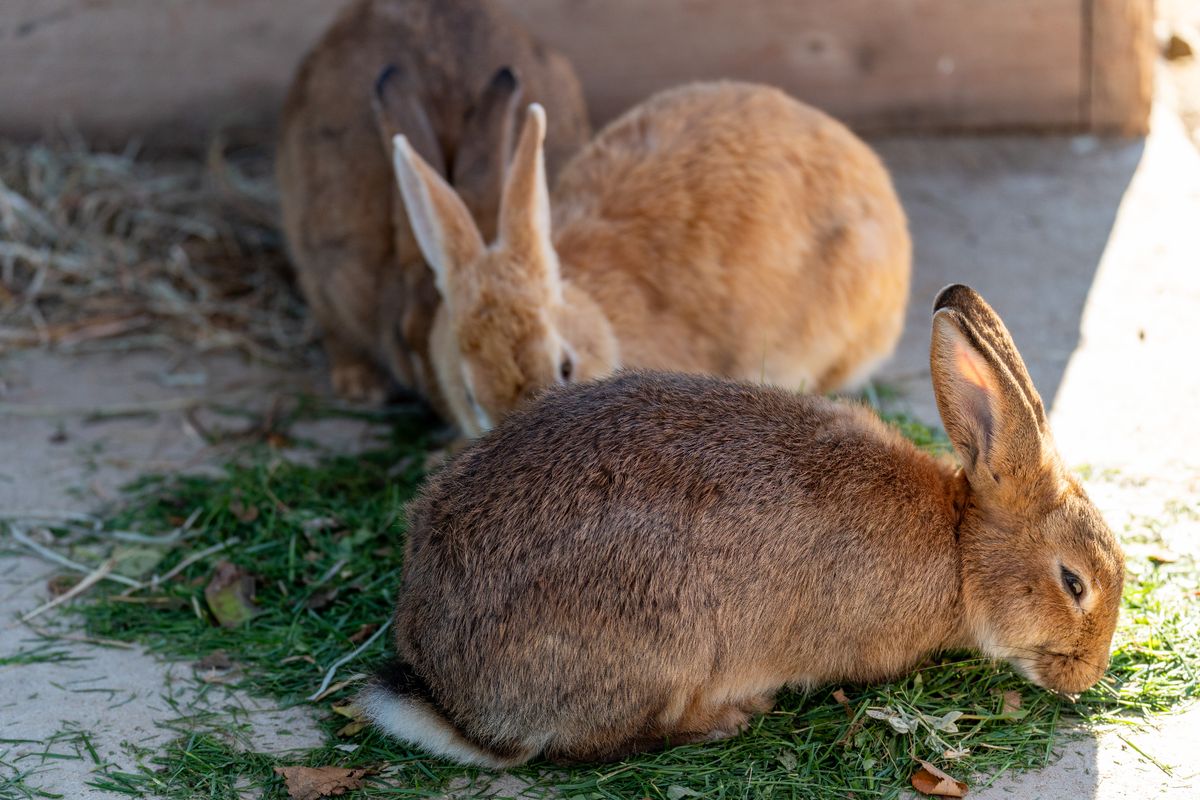
- Unlimited fresh grass hay such as timothy, orchard or meadow hay. Hay should make up most of what your rabbit eats.
- A daily serving of leafy greens.
- A small, measured amount of pellets.
- Fruit and starchy treats only in tiny amounts.
- Fresh water at all times.
Daily exercise outside the enclosure keeps the gut moving. Rabbit-proof your home so they can’t chew carpets or fabric. Book a checkup at least once a year with a rabbit-savvy vet, and have their teeth checked at every visit.
New to rabbits? Read our 10 things every new pet owner should know.
When to Call Your Vet
Call your vet or an emergency exotic vet today if your rabbit:
- Has stopped eating, even treats
- Has produced few or no droppings in several hours
- Is hunched, grinding their teeth or has a swollen belly
- Is cold, weak or floppy
Book an appointment soon if:
- Your rabbit is eating less than usual but still producing droppings
- Their droppings are getting smaller or are strung together with hair
- You notice drooling, wet fur on the chin or weight loss, which can be dental signs
Not every vet treats rabbits. Find an exotic animal vet before you need one.
Frequently Asked Questions
How long can a rabbit go without eating?
Not long. A rabbit that hasn’t eaten for even 12 hours is at serious risk. Call your vet as soon as you notice your rabbit isn’t eating.
Can I treat GI stasis at home?
Not without a vet. Stasis has many causes, and some, such as a blockage, can be made worse by the wrong treatment. Your vet may send you home with medication and syringe-feeding instructions.
Does pineapple or papaya help rabbits with GI stasis?
There’s no good evidence that it helps, and the sugar can upset the gut further. Hay, fluids, pain relief and vet care are what work.
Can a rabbit recover from GI stasis?
Yes, many do, especially when treatment starts early. Finding and treating the underlying cause, such as dental disease, helps prevent it from coming back.
This article is for general information only and isn’t a substitute for professional veterinary advice. If you’re worried about your pet’s health, contact your veterinarian or an emergency animal hospital.