Laminitis is one of the most painful and serious conditions a horse can face. It affects the tissues that hold the coffin bone inside the hoof. In severe cases, the bone can rotate or sink. Early recognition and fast treatment make a huge difference. Here’s what horse owners should know about laminitis in horses.
Quick Answer: Laminitis is inflammation and damage of the laminae, the tissues that attach the hoof wall to the coffin bone. Signs include a reluctance to walk, shifting weight, a “rocked back” stance, warm hooves and a strong digital pulse. Most cases today are linked to endocrine disease like equine metabolic syndrome or PPID. Call your vet right away if you suspect laminitis.
What Is Laminitis?
Inside each hoof, thousands of interlocking leaf-like laminae connect the hoof wall to the coffin bone. When these become inflamed or damaged, the connection weakens. In severe cases, the coffin bone can rotate or “sink,” a condition sometimes called founder.
The Merck Veterinary Manual describes laminitis as a serious, often recurring condition with several possible causes.
Main Causes
| Cause | Examples |
|---|---|
| Endocrine (hormonal) | Equine metabolic syndrome (EMS), PPID (Cushing’s disease), high insulin |
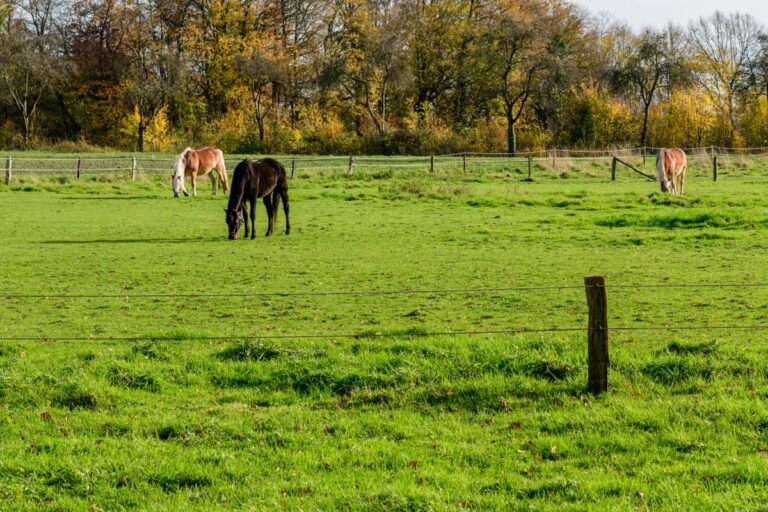
| Grain or sugar overload | Getting into the feed room, lush spring or fall grass |
| Systemic illness | Severe colitis, retained placenta, serious infections |
| Supporting limb | Overloading one leg when the other is injured |
| Other | Steroids in some horses, concussion from hard ground |
Endocrine-related laminitis is now considered the most common type. See equine Cushing’s disease.
Signs of Laminitis
Early or mild signs
- Shifting weight between feet
- Shorter, stilted steps
- Reluctance to turn tightly
- Warm hooves
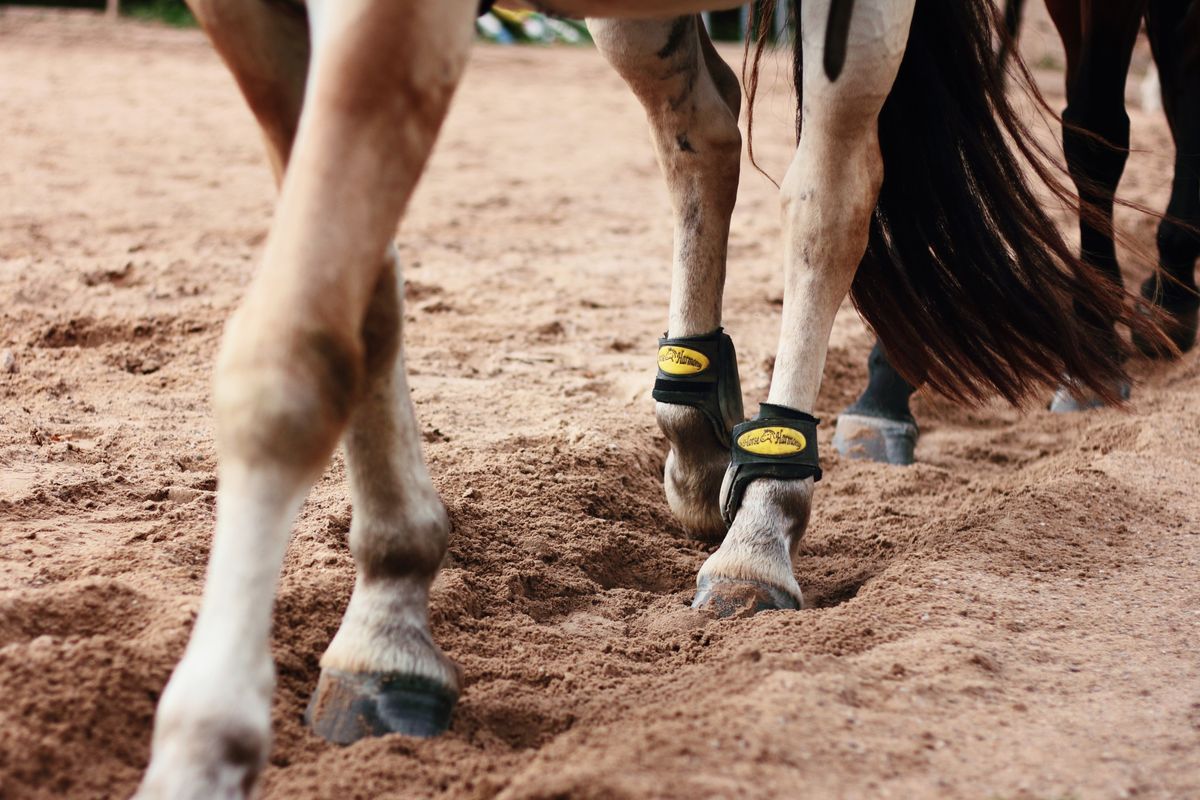
- Strong digital pulse at the back of the fetlock
More severe signs
- “Rocked back” stance, with front feet stretched forward to take weight off the toes
- Reluctance to move or lift a foot
- Lying down more
- Sweating or increased breathing from pain
- A depression above the coronary band in severe cases
Laminitis often affects both front feet but can affect all four.
What to Do Right Away
- Call your vet immediately. Laminitis is an emergency.
- Remove access to grass and grain.
- Confine your horse to a stall or small pen with deep, soft bedding like shavings or sand.
- Don’t force your horse to walk.
- Ask your vet about icing. Cooling the lower legs and feet in ice water can help in some types of laminitis, especially early on.
Treatment
Treatment depends on the cause and severity, and may include:
- Pain relief and anti-inflammatory medication
- Cryotherapy (icing)
- Foot support, such as frog supports, pads or special shoes
- X-rays to check the position of the coffin bone
- Treating the underlying cause, like PPID medication or insulin management
- Diet changes and weight loss for overweight horses
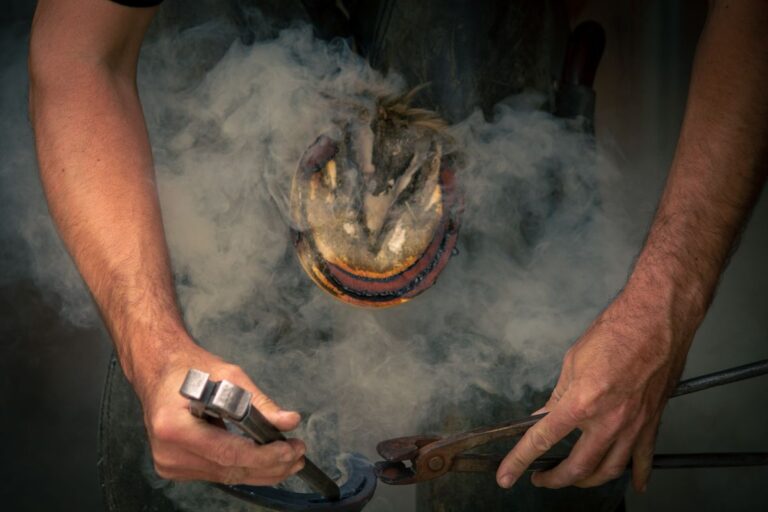
- Corrective trimming and shoeing with your farrier and vet
Recovery can take weeks to months. Some horses have repeated episodes.
Prevention
- Manage weight. Use body condition scoring and keep horses lean.
- Limit lush grass with a grazing muzzle, dry lot or time restrictions, especially in spring and fall.
- Feed low sugar and starch diets for at-risk horses.
- Test at-risk horses for EMS and PPID.
- Secure feed rooms so horses can’t break in.
- Keep hooves trimmed regularly. See hoof care basics.
Who’s at Higher Risk?
- Easy keepers and overweight horses
- Ponies, donkeys and certain breeds like Morgans and Arabians
- Older horses with PPID
- Horses with a history of laminitis
When to Call Your Vet
Call immediately if your horse:
- Stands rocked back or won’t move
- Has warm hooves and a strong digital pulse
- Got into grain or ate lots of lush grass
- Is lame on more than one foot
Frequently Asked Questions
Can a horse recover from laminitis?
Many horses return to comfort and work, especially with early treatment. Severe rotation or sinking has a more guarded outlook.
What is founder?
“Founder” usually refers to chronic laminitis where the coffin bone has rotated or sunk.
Is laminitis painful?
Yes, very. Pain management is a major part of treatment.
Should a horse with laminitis be turned out?
Usually not during acute laminitis. Your vet will guide when and how turnout can resume.
Do shoes help a horse with laminitis?
Therapeutic shoes or boots can support the foot and reduce pain, but they must be chosen with your vet and farrier based on X-rays. The wrong support can make things worse.
Can laminitis come back?
Yes. Horses that have had laminitis are at higher risk of future episodes. Ongoing weight control, diet management and treatment of endocrine disease lower that risk.
How quickly does laminitis develop after grain overload?
Signs often appear within about 24 to 72 hours. Call your vet as soon as you know a horse has eaten a large amount of grain, even before signs show.
This article is for general information only and isn’t a substitute for professional veterinary advice. If you’re worried about your pet’s health, contact your veterinarian or an emergency animal hospital.