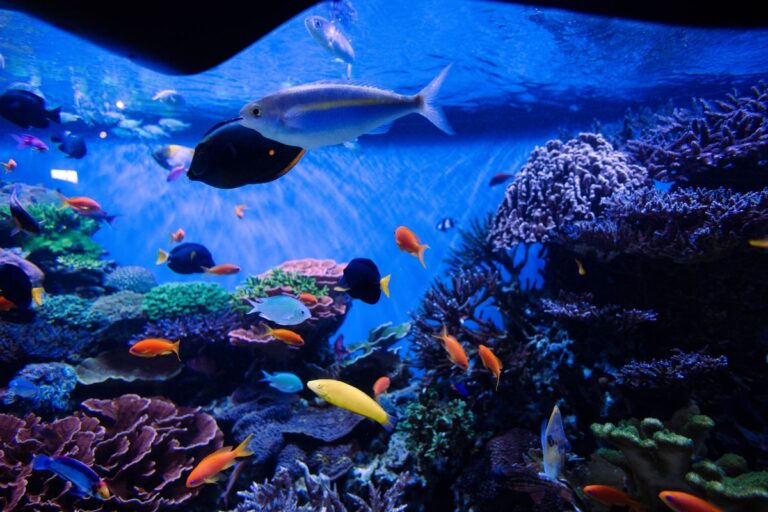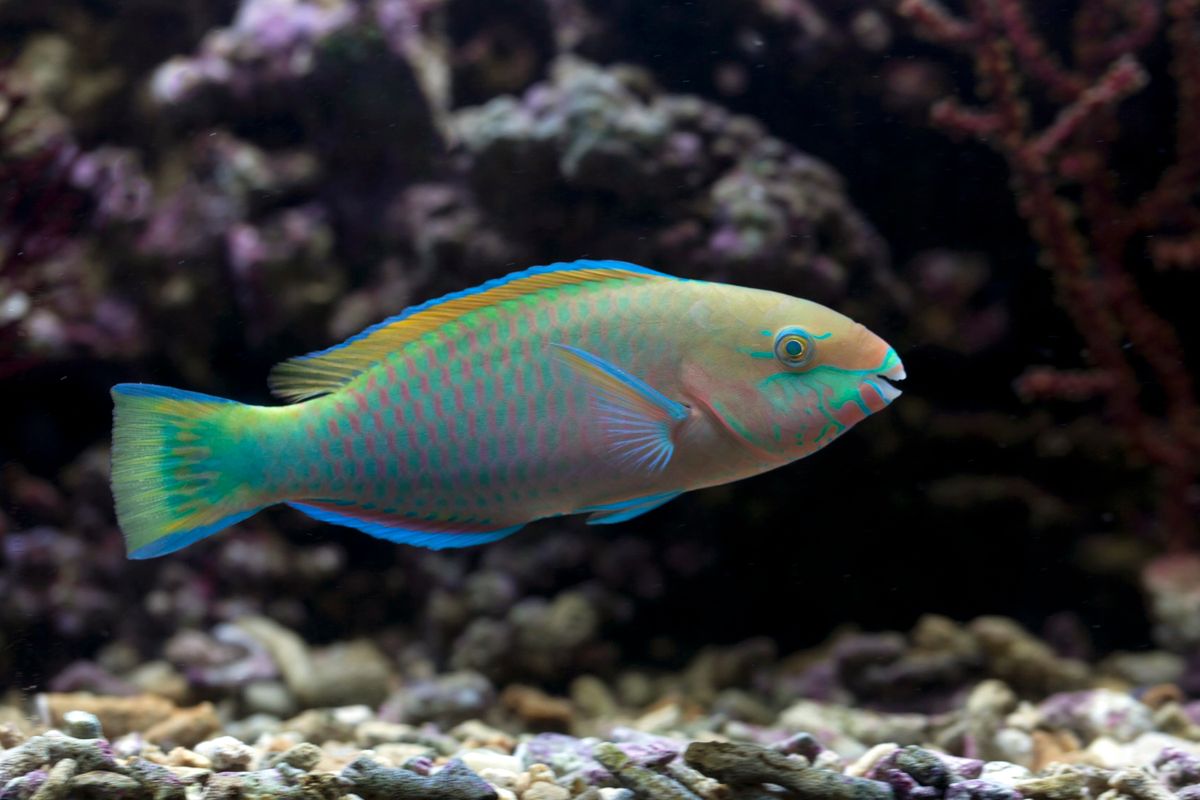
Good nutrition keeps saltwater fish colorful, active and able to fight off disease. But marine fish have very different diets in the wild. Some graze algae all day, while others hunt small shrimp and fish. This guide explains what to feed saltwater fish, how much and how often.
Quick Answer: Most saltwater fish do well on a varied diet of high-quality marine pellets or flakes, frozen foods like mysis shrimp and brine shrimp, and algae for herbivores. Feed small amounts once or twice a day, only what fish can eat in about 1 to 2 minutes, and remove leftovers.
Know Your Fish’s Feeding Style
| Diet type | Examples | Main foods |
|---|---|---|
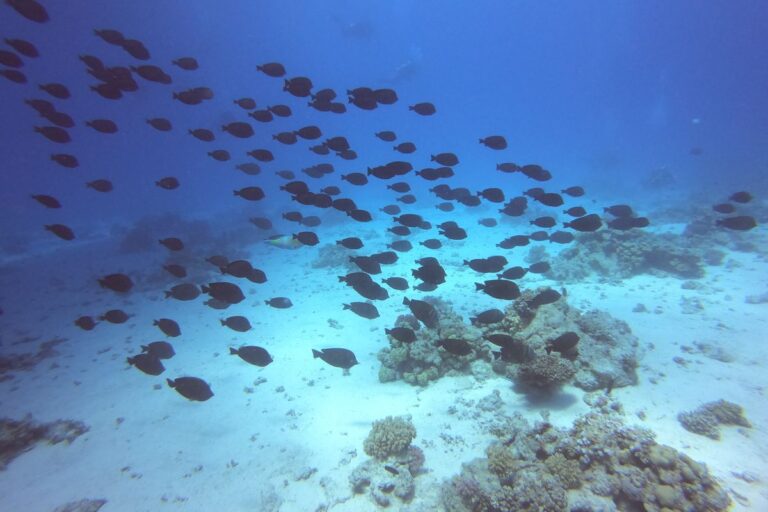
| Herbivores | Tangs, rabbitfish, some blennies | Algae sheets, seaweed, spirulina-based foods |
| Carnivores | Lionfish, groupers, many wrasses | Mysis, krill, chopped seafood |
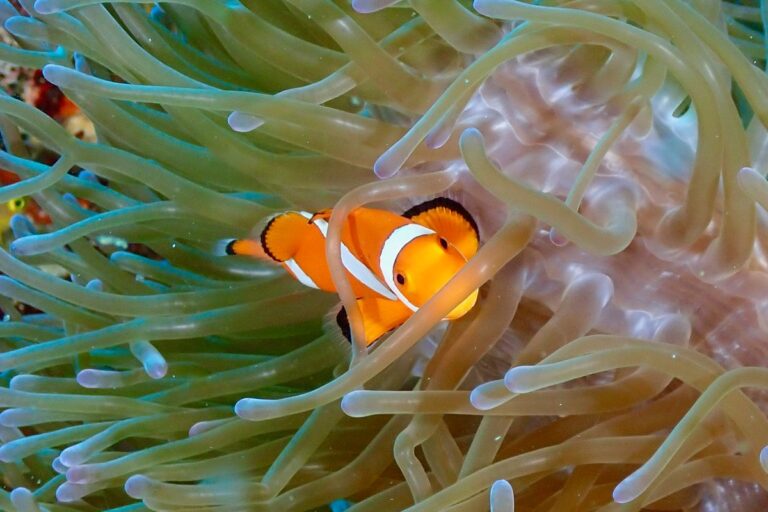
| Omnivores | Clownfish, damsels, many gobies | Mix of pellets, frozen foods and algae |
| Specialized feeders | Mandarin dragonets, some butterflyfish | Live copepods, special diets |
Types of Food
Pellets and flakes
- Convenient and nutritionally balanced
- Choose marine-specific formulas
- Use sinking pellets for bottom dwellers
Frozen foods
- Mysis shrimp: high protein, popular with most fish
- Brine shrimp: enriched versions are better
- Formula blends with fish, shrimp and algae
- Thaw before feeding and rinse to reduce excess nutrients
Algae and seaweed
- Dried nori or seaweed sheets on a clip
- Spirulina-based foods
- Important for tangs and other grazers. See our tang care guide.
Live foods
- Copepods and amphipods for picky eaters
- Live brine shrimp to encourage new fish to eat
- Avoid relying on feeder fish
How Much and How Often
| Fish type | Frequency | Notes |
|---|---|---|
| Most community fish | 1–2 times a day | Small portions |
| Tangs and grazers | Several times a day or algae available all day | Graze naturally |
| Predatory fish | Every 1–2 days | Larger meals |
| New or recovering fish | Small meals several times a day | Encourages eating |
The 1 to 2 minute rule helps prevent overfeeding: offer only what your fish can finish in that time.
Why Overfeeding Is a Problem
- Uneaten food rots and raises ammonia and nitrate
- Fuels nuisance algae
- Can lead to obesity and fatty liver in fish
See saltwater tank water parameters.
Boosting Nutrition
- Rotate foods through the week.
- Soak food in vitamin supplements or garlic-based products if desired.
- Feed enriched frozen foods with omega-3s and vitamins.
Feeding a Mixed Community
- Feed pellets or flakes at the surface for mid-water fish.
- Target-feed frozen food near rocks for shy fish.
- Clip algae sheets for grazers.
- Use a feeding tube or turkey baster for bottom dwellers.
See peaceful saltwater community fish for good combinations.
Getting New Fish to Eat
- Start with frozen mysis or live brine shrimp.
- Dim the lights.
- Keep the fish in quarantine with calm surroundings. See quarantine new saltwater fish.
- Try garlic-soaked foods.
When to Get Help
Contact an aquatic vet or experienced fish store if a fish:
- Refuses food for more than a few days
- Loses weight (sunken belly or “pinched” look)
- Spits out food repeatedly
These can be signs of illness. The Merck Veterinary Manual notes that appetite changes are often an early sign of disease in fish.
Frequently Asked Questions
Can saltwater fish eat freshwater fish food?
Marine fish need foods made for saltwater species, with the right fatty acids.
How long can saltwater fish go without food?
Healthy adults can go a few days, such as during a short vacation. An automatic feeder helps for longer trips.
Should I feed at night?
Feed when your fish are active. Some nocturnal species, like cardinalfish, may eat better at dusk.
Is it okay to feed only flakes?
A flake-only diet can be limiting. Variety leads to better health and color.
Is garlic good for fish?
Many hobbyists use garlic-soaked foods to encourage picky eaters. Evidence for health benefits is limited, but it can make food more appealing.
Can I feed my fish human seafood?
Plain, raw, unseasoned seafood like shrimp or clam can be used occasionally, chopped small. Avoid cooked, salted or seasoned food.
How do I feed fish when I’m on vacation?
Healthy adult fish can usually go a few days without food. For longer trips, use an automatic feeder or ask someone experienced to feed measured portions.
Should I feed corals and fish at the same time?
Many reef keepers feed fish first so they’re less likely to steal coral food, then target-feed corals.
Why do my fish spit out food?
Pieces may be too large, or the fish may not recognize the food yet. Try smaller sizes or mixing new food with something familiar.
This article is for general information only and isn’t a substitute for professional veterinary advice. If you’re worried about your pet’s health, contact your veterinarian or an emergency animal hospital.