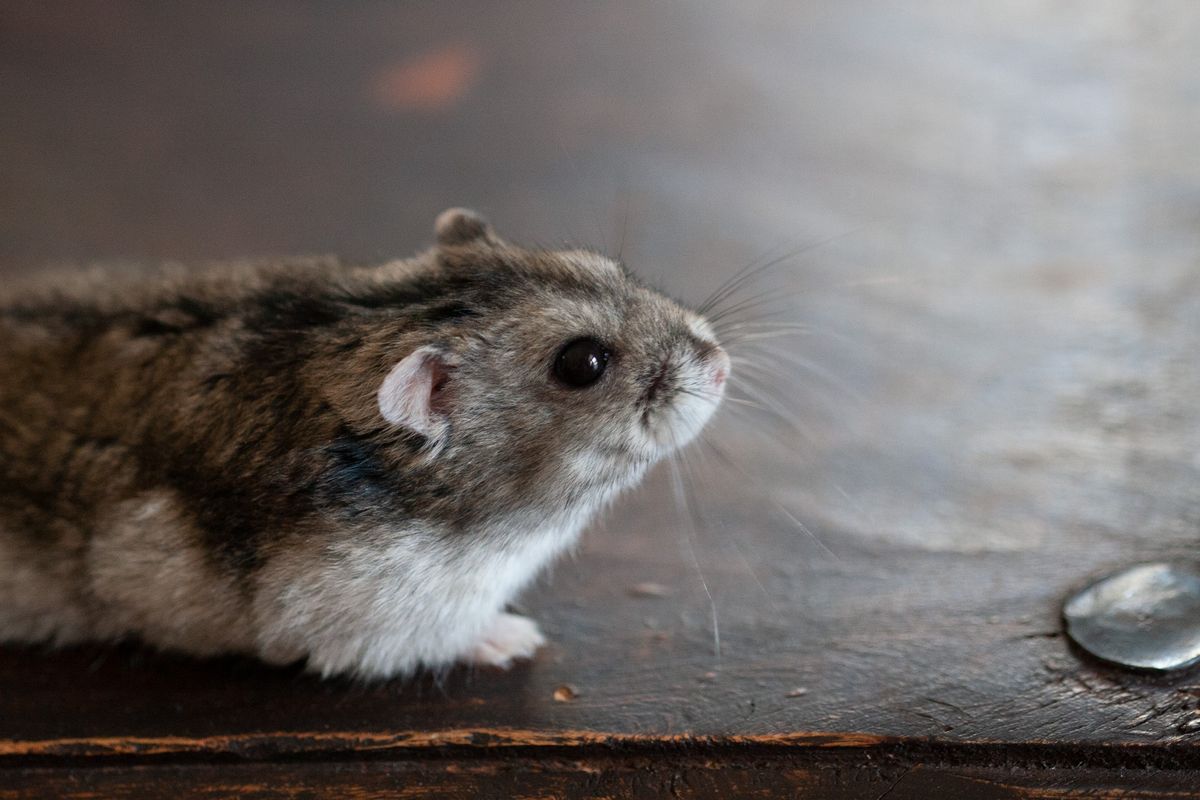
Carefresh has been a familiar name in small animal bedding for decades. Its natural paper bedding is used for hamsters, gerbils, rats, guinea pigs and rabbits. This review summarizes what it is, how it performs and what to consider.
Verdict at a Glance: Carefresh Natural Bedding is a soft, absorbent paper bedding that’s widely used and generally lower in dust than wood shavings. Many owners like its odor control and burrowing ability. It’s typically more expensive than shavings, and like other paper beddings, dust can vary between bags.
At a Glance
| Feature | Details |
|---|---|
| Material | Paper fiber |
| Texture | Soft, fluffy |
| Colors | Natural plus colored options |
| Common uses | Rodents, rabbits, guinea pigs, some reptiles |
| Packaging | Compressed bags that expand |
What It Is and How It Works
Carefresh is made from paper fiber and sold in compressed bags that expand when opened. It absorbs liquid well and is soft enough for nesting and burrowing.
Because many small pets are prone to respiratory problems, low-dust bedding is important. Paper-based beddings are commonly recommended over cedar and untreated pine.
See our guides to hamster cage size and guinea pig cage setup.
Pros and Cons
| Pros | Cons |
|---|---|
| Absorbent and soft | More expensive than shavings |
| Good for nesting and burrowing | Dust can vary by batch |
| Generally low dust compared with shavings | Can be heavy when wet |
| Widely available | Colored versions may not appeal to all owners |
| Expands from compressed bags |
Comparing Bedding Types
| Bedding | Absorbency | Dust | Burrowing | Cost |
|---|---|---|---|---|
| Paper (Carefresh) | High | Low to moderate | Good | Moderate to high |
| Aspen shavings | Moderate | Moderate | Good | Low to moderate |
| Fleece liners | High with absorbent layer | Very low | Poor for burrowers | Upfront cost, reusable |
| Cedar or untreated pine | Moderate | Variable | Fair | Low; not recommended |
The best choice depends on your pet’s species, housing and sensitivities.
Things to Consider Before Buying
- Choose unscented natural versions.
- Buy larger bags for deep-bedding setups.
- Spot-clean wet areas daily.
- Watch for sneezing after switching.
- Keep bedding dry and away from water bottles.
Who It Suits
| Good fit if… | Consider something else if… |
|---|---|
| You want a trusted paper bedding | You’re on a tight budget |
| Your pet likes to nest or burrow | You prefer reusable fleece |
| You need decent odor control | Your pet reacts to paper dust |
Alternatives to Consider
| Option | How it differs |
|---|---|
| Kaytee Clean & Cozy | Soft paper bedding, often cheaper |
| Aspen shavings | Budget-friendly option |
| Fleece liners | Reusable for guinea pigs |
When to Call Your Vet
Contact your vet if:
- Your pet sneezes often or has discharge
- You see red or swollen feet
- Your pet stops eating
Frequently Asked Questions
Is Carefresh dust-free?
No bedding is completely dust-free, but paper beddings are generally lower in dust than many alternatives.
How often should I change Carefresh?
Spot-clean daily and do full changes every 1 to 4 weeks depending on your setup.
Is Carefresh safe for rabbits?
Yes, commonly used in litter boxes. Watch that your rabbit doesn’t eat large amounts.
Can I use it for reptiles?
Some keepers use paper bedding for certain reptiles, but check species needs and humidity.
Does Carefresh control odor?
Many owners report good odor control with regular spot-cleaning.
Is it compostable?
Paper bedding used with herbivores can often be composted.
How often should I change Carefresh bedding?
Spot clean soiled areas daily and replace all bedding about once a week for most setups. Hamsters in large, deep-bedded enclosures may only need partial changes, since removing everything can disturb their burrows. Rabbits and guinea pigs usually need more frequent changes because they produce more urine.
Is Carefresh compostable?
Carefresh is made from paper fiber and is generally described as compostable when used with herbivores. Check local guidance and avoid composting bedding from carnivores or sick animals.
Why does my Carefresh bedding smell after a few days?
Odor usually means ammonia is building up from urine. Try spot cleaning more often, adding more depth, or using a litter tray in the toilet corner. A strong smell even with clean bedding may be worth a vet check.
Do the colored versions of Carefresh cause problems?
Colored versions use dyes that are described as pet-safe. However, plain or natural-colored bedding makes it easier to spot blood or unusual urine, which can be early signs of illness.
Is Carefresh good for rats and mice?
Many rat and mouse owners use paper bedding because it’s low in dust compared with some alternatives. Rats are prone to respiratory disease, so a low-dust bedding and good ventilation matter.
Pet Health Man is independent and isn’t paid by the brands we review. Product formulas, specifications and prices change, so check the current label or the manufacturer’s information before you buy.
This article is for general information only and isn’t a substitute for professional veterinary advice. If you’re worried about your pet’s health, contact your veterinarian or an emergency animal hospital.