Vaccines protect cats from serious and sometimes fatal diseases. But which ones does your cat need, and how often? It depends on age, lifestyle and local risks. Here’s a guide to the cat vaccination schedule for kittens, adults and indoor cats.
Quick Answer: Core vaccines for all cats are FVRCP (feline viral rhinotracheitis, calicivirus and panleukopenia) and rabies. FeLV (feline leukemia) is strongly recommended for all kittens and for adult cats with outdoor access or contact with other cats. Kittens get a series of shots every 3 to 4 weeks starting at 6 to 8 weeks old until about 16 to 20 weeks.
Core Vaccines
| Vaccine | Protects against | Why it matters |
|---|---|---|
| FVRCP | Feline herpesvirus (rhinotracheitis), calicivirus, panleukopenia | Common, contagious and potentially fatal |
| Rabies | Rabies virus | Always fatal; often required by law |
Non-Core (Lifestyle-Based) Vaccines
| Vaccine | When it’s recommended |
|---|---|
| FeLV (feline leukemia virus) | All kittens; adult cats that go outdoors or live with FeLV-positive cats |
| Chlamydia felis | Multi-cat environments with known infection |
| Bordetella | Shelters, catteries or boarding with known risk |
Your vet will tailor recommendations based on guidelines from groups such as the American Association of Feline Practitioners (AAFP) and your cat’s lifestyle.
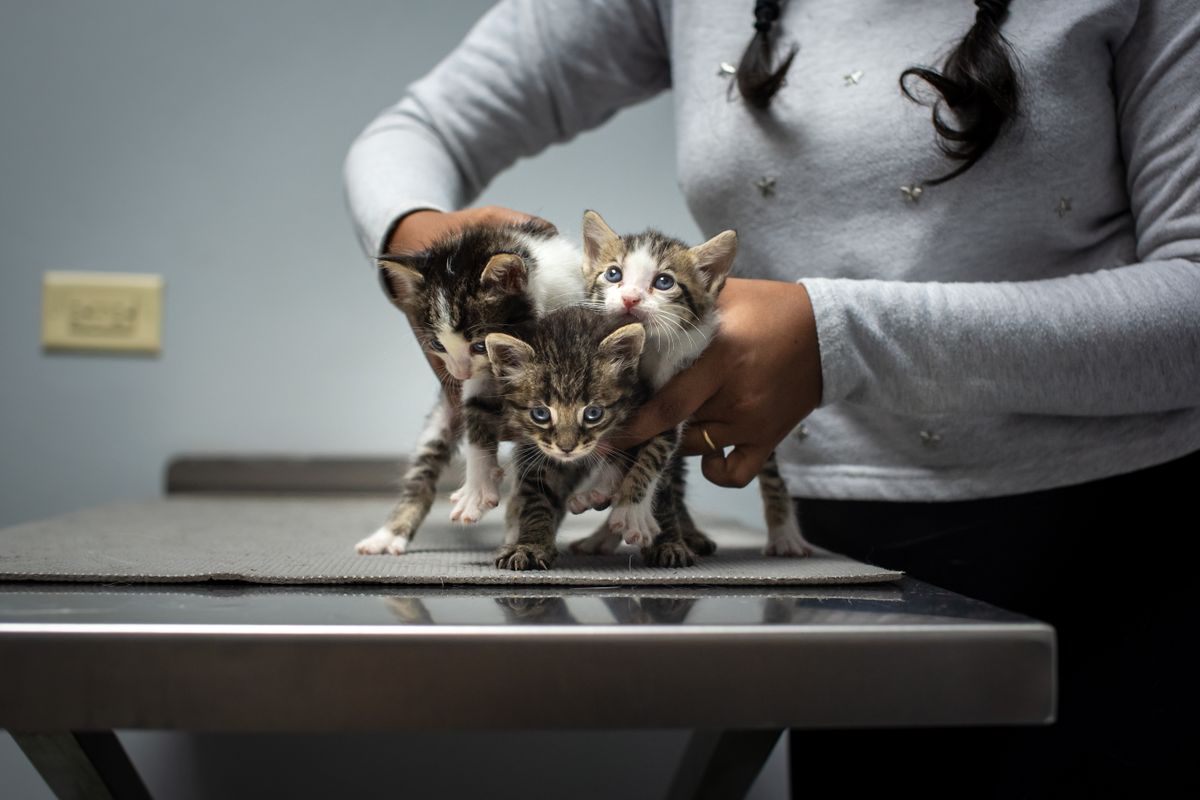
Kitten Vaccination Schedule
| Age | Vaccines |
|---|---|
| 6–8 weeks | FVRCP #1 |
| 10–12 weeks | FVRCP #2; FeLV #1 |
| 14–16 weeks | FVRCP #3; FeLV #2; rabies (often 12–16 weeks depending on product and law) |
| 16–20 weeks | Final FVRCP if needed |
| About 1 year after the series | FVRCP, FeLV and rabies boosters |
Kittens need a series because antibodies from their mother can block vaccines early on.
Adult Cat Schedule
| Vaccine | Typical frequency after 1-year booster |
|---|---|
| FVRCP | Every 3 years for many adult cats |
| Rabies | Every 1 or 3 years depending on product and local law |
| FeLV | Every 1–2 years for at-risk cats |
Do Indoor Cats Need Vaccines?
Yes. Even indoor cats can be exposed:
- Viruses like panleukopenia can come in on shoes and clothing.
- Cats can escape outdoors.
- Bats occasionally get indoors, which is a rabies risk.
- Boarding, grooming and vet visits involve other cats.
- Many areas legally require rabies vaccination.
Vaccine Reactions
Most cats have no problems or only mild effects:
- Soreness at the injection site
- Mild fever or sleepiness for a day
- Small, temporary lump at the injection site
Rarely, cats have serious allergic reactions. Very rarely, a type of tumor called an injection-site sarcoma can develop. Vets give vaccines in specific locations (often low on the legs or tail) and follow guidelines to reduce risk.
The Cornell Feline Health Center explains that the benefits of core vaccination outweigh the risks for most cats.
Call your vet right away if your cat vomits, has facial swelling, hives or trouble breathing after a vaccine.
Watch the Injection Site
A small bump after vaccination is common. Contact your vet if a lump:
- Is still present 3 months after vaccination
- Is larger than about 2 cm (0.8 inch)
- Is growing 1 month after vaccination
Part of a Complete Wellness Plan
- Annual exams (twice yearly for seniors)
- Parasite prevention. See do indoor cats need flea and tick prevention.
- Dental care. See cat dental disease.
See also our kitten care checklist.
Frequently Asked Questions
What if my adult cat has never been vaccinated?
Your vet will usually give two doses of FVRCP 3 to 4 weeks apart, plus rabies.
Can older cats skip vaccines?
Vaccination plans may change with age and health. Talk with your vet rather than stopping on your own.
Should cats be tested for FeLV before vaccinating?
Yes. FeLV testing is recommended before vaccination, especially for new cats.
Is the rabies vaccine required?
In many places, yes. Check your local laws.
Can vaccines cause upper respiratory signs?
Intranasal vaccines can cause mild sneezing for a few days. Injectable vaccines rarely do.
Do vaccines protect 100%?
No vaccine is perfect, but core vaccines greatly reduce the risk and severity of disease.
Can kittens go outside before their shots are done?
It’s best to keep kittens indoors and away from unvaccinated cats until the series is complete.
Can my cat get vaccines while sick?
Vets usually postpone vaccines until a cat is healthy, so the immune system can respond properly.
Do cats need vaccines every year?
Not all of them. Many adult cats get FVRCP every 3 years, while rabies and FeLV schedules depend on the product, law and lifestyle.
Are vaccine titers an option?
Titer tests measure antibody levels for some diseases, like panleukopenia. They can help guide decisions but aren’t accepted in place of rabies vaccination in most places.
This article is for general information only and isn’t a substitute for professional veterinary advice. If you’re worried about your pet’s health, contact your veterinarian or an emergency animal hospital.