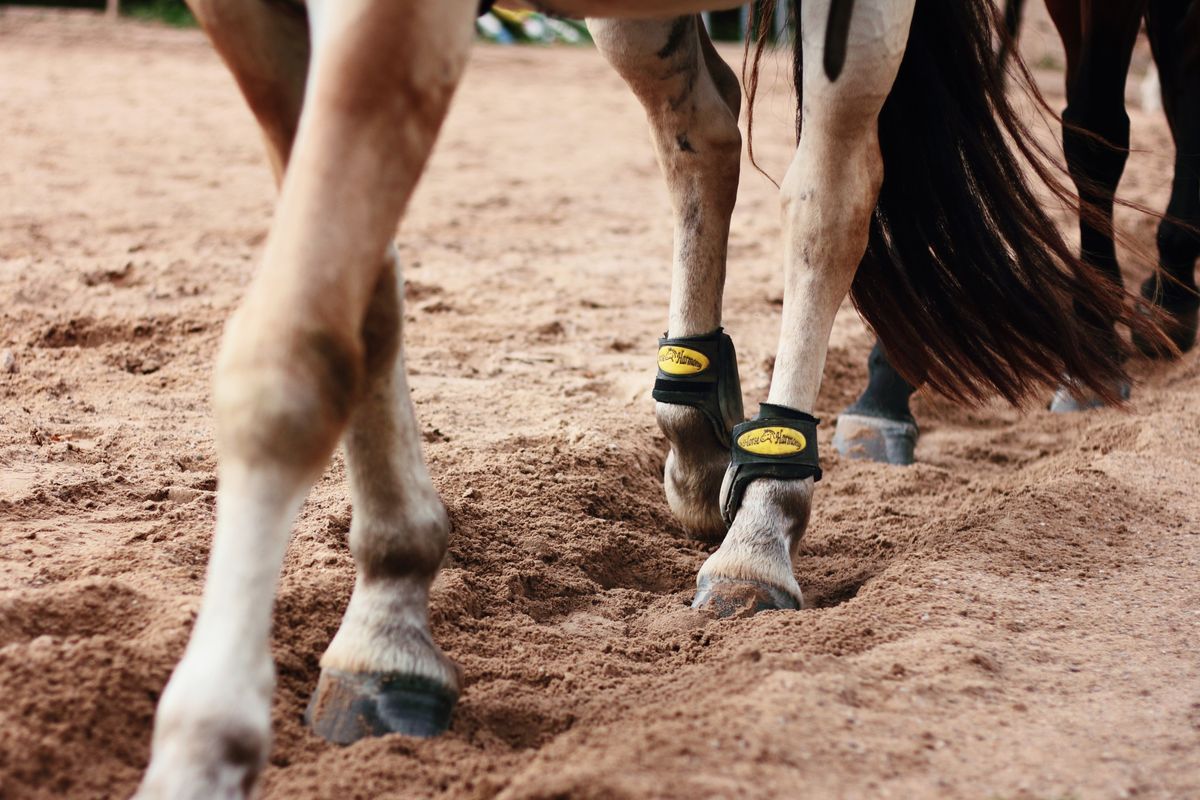
Hoof boots protect bare hooves when riding on rocky ground or while a horse transitions out of shoes. They can also be used to protect a sore or injured hoof under vet or farrier guidance. Cavallo and Easyboot (by EasyCare) are two of the best-known brands. This comparison looks at how they differ and what to check before buying.
Bottom Line: Both Cavallo and Easyboot make well-regarded hoof boots. Cavallo boots are generally known for an easier fit and simple closures, while EasyCare’s Easyboot range includes several models, from forgiving trail boots to close-fitting performance boots. Accurate measuring after a fresh trim is the most important step for either brand.
At a Glance
| Feature | Details |
|---|---|
| Cavallo | Several models; generally forgiving fit with strap closures (check current range) |
| Easyboot | Many models, from trail boots to close-fitting performance boots |
| Sizing | Measure hoof width and length after a trim |
| Uses | Riding, transition from shoes, temporary protection |
| Key risk | Rubbing from poor fit |
What It Is and How It Works
Hoof boots fit over the hoof and protect the sole and wall. They’re used for riding on rough terrain, for horses transitioning from shoes to barefoot, and sometimes for comfort during recovery from hoof problems.
Fit is everything. Hooves change shape between trims, so boots that fit well after a fresh trim may rub or twist a few weeks later. Many owners schedule regular trims to keep boot fit consistent.
Learn more in hoof care basics and laminitis in horses.
Strengths
- Protect bare hooves on rough terrain
- Support transition from shoes
- Removable, unlike shoes
- Many sizes and styles
- Can be used with pads for extra comfort
Limitations
- Poor fit can cause rubs
- Can twist or come off in mud or at speed
- Need cleaning and drying
- Sizing can be tricky
How the Two Brands Compare
| Feature | Cavallo | Easyboot |
|---|---|---|
| Fit style | Generally roomy and forgiving | Ranges from forgiving to very close-fitting |
| Closures | Strap closures | Varies by model |
| Typical use | Trail riding, turnout, recovery | Trail, endurance, performance |
| Sizing | Width and length | Width and length; some models need precise fit |
| Gaiters or pads | Available | Available on many models |
Both brands publish sizing charts. Measure each hoof, as front and hind hooves are often different sizes.
Before You Buy
- Measure hooves after a fresh trim.
- Check sizing charts carefully.
- Consider front and hind sizes separately.
- Introduce boots gradually.
- Talk to your farrier about fit.
Tips for Using It
- Start with short rides to check for rubbing.
- Clean and dry boots after each use.
- Use gaiters if your boots rub at the heel or pastern.
Who It Suits
| Good fit if… | Consider something else if… |
|---|---|
| You ride a barefoot horse on rough ground | Your horse needs therapeutic shoeing prescribed by your vet |
| Your horse is transitioning from shoes | You can’t keep a regular trim schedule |
| Your farrier recommends temporary protection |
Alternatives to Consider
| Option | How it differs |
|---|---|
| Traditional shoes | Permanent protection |
| Glue-on shoes | Alternative for some horses |
| Hoof casts | Short-term protection under farrier care |
When to Call Your Vet
Contact your vet if:
- Your horse is lame
- You notice rubs that become open sores
- Your horse shows signs of laminitis or abscess
Frequently Asked Questions
Which is better, Cavallo or Easyboot?
It depends on your horse’s hooves and how you ride. Cavallo boots are often described as more forgiving to fit, while some Easyboot models suit horses that need a close, secure fit for faster work.
How do I measure for hoof boots?
Measure hoof width at the widest point and length from toe to heel after a fresh trim. Follow each brand’s sizing guide.
Can horses wear hoof boots in turnout?
Some owners use boots during turnout for short periods. Long-term wear can cause rubbing and trap moisture, so check with your farrier.
Why do hoof boots rub?
Poor fit, dirt inside the boot or hoof growth since the last trim can all cause rubbing. Gaiters or socks may help.
Can hoof boots help a laminitic horse?
Boots with pads may provide comfort under vet guidance. Laminitis needs veterinary care.
How long do hoof boots last?
It depends on use and terrain. Check soles, straps and closures regularly.
Do I need boots on all four hooves?
Many horses need boots only on the front. Some need all four. Ask your farrier.
Can hoof boots come off while riding?
Yes, especially in mud or at speed. Good fit reduces this risk.
Pet Health Man is independent and isn’t paid by the brands we review. Product formulas, specifications and prices change, so check the current label or the manufacturer’s information before you buy.
This article is for general information only and isn’t a substitute for professional veterinary advice. If you’re worried about your pet’s health, contact your veterinarian or an emergency animal hospital.