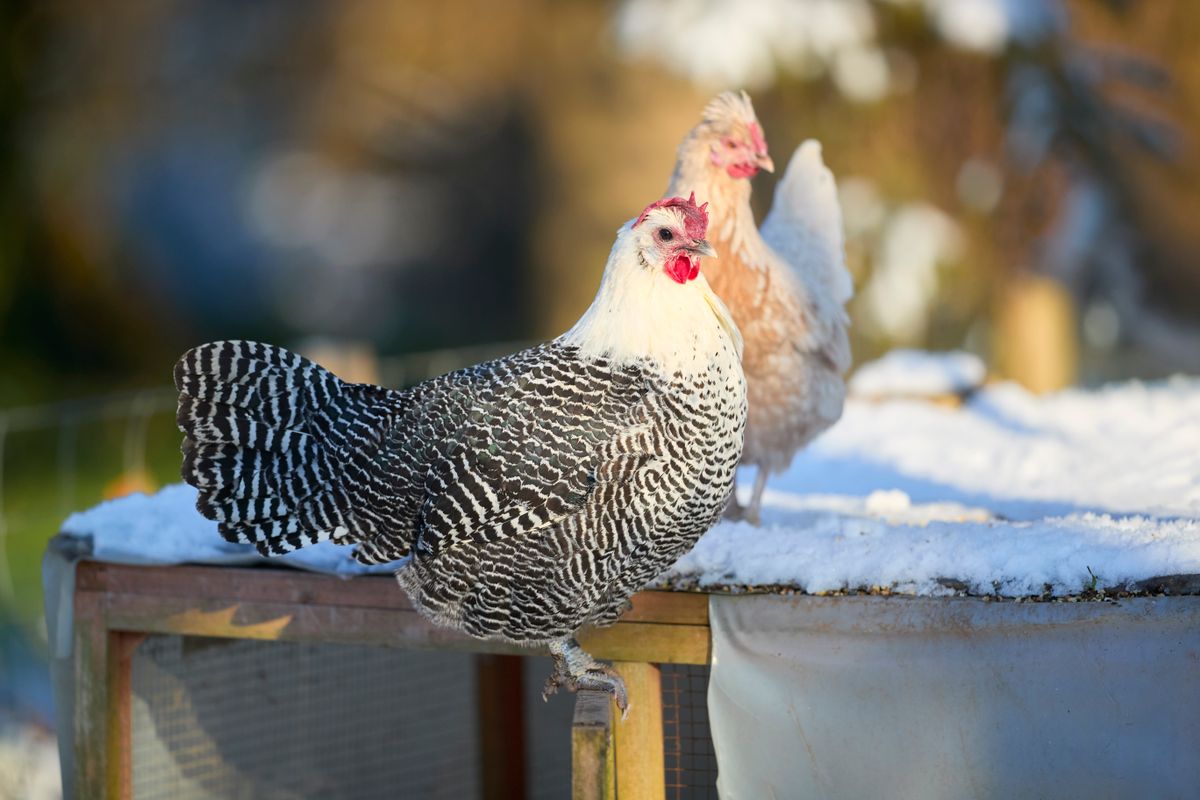
Chickens need fresh water every day, even in freezing weather. Frozen waterers are a common winter problem. Heated waterers like those from Farm Innovators keep water liquid. This review looks at how they work and the safety concerns.
The Short Answer: Farm Innovators heated poultry waterers are a popular way to keep water from freezing. They use a thermostat to heat only when needed. Electrical safety is important, especially in coops with dry bedding.
Key Details
| Feature | Details |
|---|---|
| Type | Heated poultry waterer |
| Heating | Thermostatically controlled |
| Capacity | Several sizes (check current model) |
| Power | Electric |
| Best for | Winter water in freezing climates |
What It Is and How It Works
The waterer has a built-in heater with a thermostat. It turns on when temperatures drop near freezing and switches off when they rise, which saves electricity compared with a heater that runs constantly.
Hens drink less when water is very cold or frozen, and dehydration can quickly reduce egg laying. Chickens also need water to digest feed properly. A reliable supply of liquid water is one of the most important parts of winter care.
Electrical devices in coops carry a fire risk. Dry bedding, dust and feathers can catch fire if a cord is damaged or overheats. Use outdoor-rated cords and outlets, and keep cords away from bedding. See winter chicken care.
What We Like
- Keeps water from freezing
- Thermostat control
- Several sizes
- Popular brand
- Reduces daily chores
Drawbacks
- Needs electricity
- Fire risk if misused
- Plastic can crack over time
- Cleaning can be harder
Winter Water Safety
- Use outdoor-rated extension cords.
- Plug into a GFCI outlet.
- Keep cords away from bedding.
- Check cords for chewing.
- Clean waterers regularly.
Things to Consider Before Buying
- Check that you have safe, outdoor-rated power near the coop.
- Use a GFCI outlet and an outdoor-rated cord.
- Choose a size that holds a full day’s water for your flock.
- Plan how you’ll clean it in cold weather.
- Inspect the cord and base for damage before each winter.
Tips for Using It
- Set the waterer on a stable block so bedding doesn’t get kicked into it.
- Keep a spare unheated waterer ready in case of power cuts.
- Place it outside the coop or in the run if you can, to reduce fire risk and humidity inside.
Who It Suits
| Good fit if… | Consider something else if… |
|---|---|
| You live where water freezes regularly | You don’t have safe power access |
| You have safe power access near the coop | You’d prefer no electrical devices in or near the coop |
| You want fewer trips to swap frozen waterers |
Alternatives to Consider
| Option | How it differs |
|---|---|
| Heated base | Works with metal waterers |
| Rotating waterers | No electricity |
| Nipple waterers with heaters | Cleaner water |
When to Call Your Vet
Contact your vet if:
- Hens stop drinking
- Hens seem dehydrated
- Hens stop laying suddenly
Frequently Asked Questions
How cold can a heated poultry waterer handle?
Each model has its own rating. Check Farm Innovators’ guidance for the waterer you’re buying, since very low temperatures and wind can exceed what a small heater can manage.
Is a heated waterer safe inside a coop?
It can be, with care. Use outdoor-rated cords and a GFCI outlet, keep cords away from bedding and check them often for chewing or damage.
How do I clean a heated waterer?
Unplug it, empty it and scrub it with warm water and a mild cleaner. Rinse well. Never submerge the heated base unless the manual says it’s safe.
Does a heated waterer use a lot of electricity?
Thermostatically controlled models only heat when needed, which helps limit energy use. Usage rises in very cold weather.
Can I use the waterer in summer?
Yes. Unplug it and use it as a regular waterer. Keep it in the shade so the water stays cool.
Is warm water safe for chickens to drink?
Heated waterers keep water just above freezing rather than warm. Chickens drink it normally.
Why is my heated waterer leaking?
Leaks can come from a cracked base, a worn seal or the waterer sitting unevenly. Check for damage and place it on a level surface.
How long do heated waterers last?
Lifespan varies with use and care. Inspect it each season and replace it if the plastic cracks or the cord is damaged.
Can I use a heated waterer with a nipple drinker system?
Some owners use heated buckets or add heaters to nipple systems. Check that every part, including the nipples, is protected from freezing.
Pet Health Man is independent and isn’t paid by the brands we review. Product formulas, specifications and prices change, so check the current label or the manufacturer’s information before you buy.
This article is for general information only and isn’t a substitute for professional veterinary advice. If you’re worried about your pet’s health, contact your veterinarian or an emergency animal hospital.