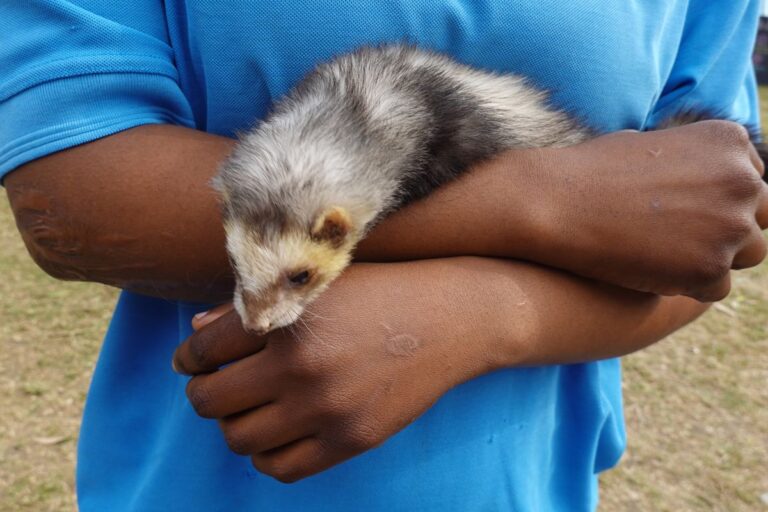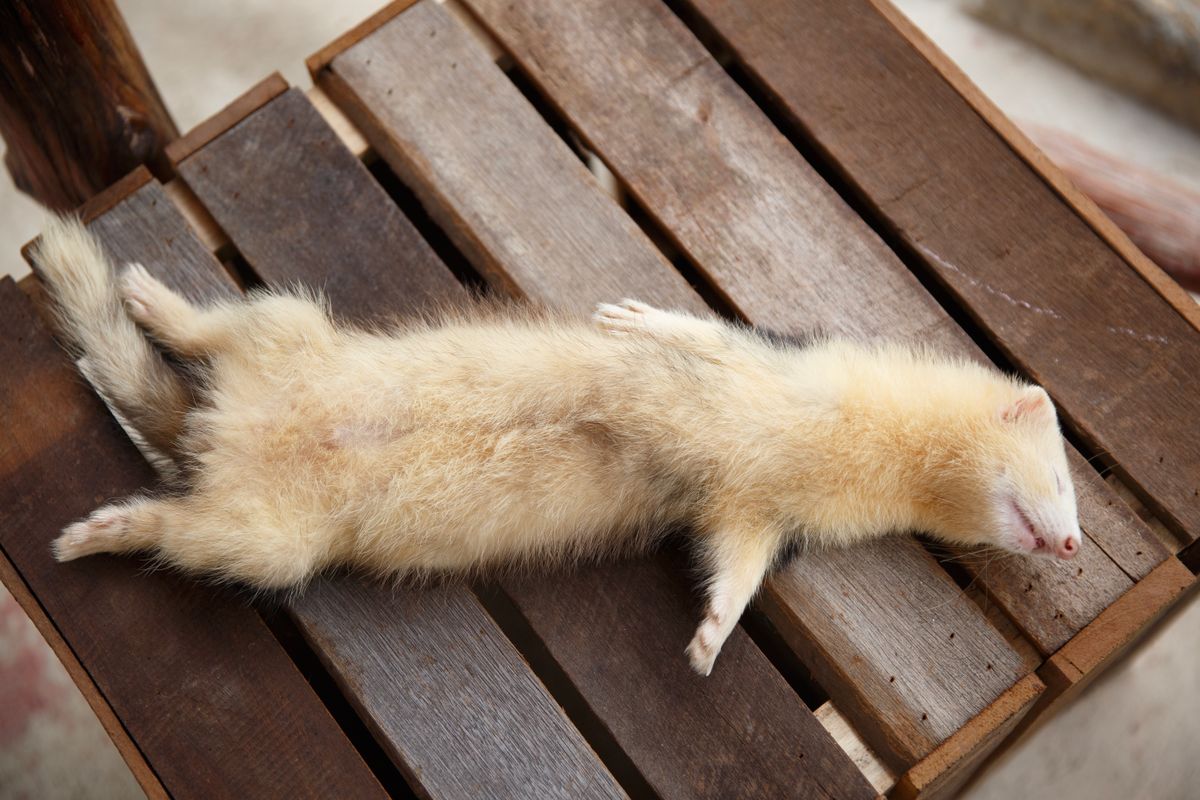
Ferrets are curious, flexible and fearless. They can squeeze through gaps as small as about 1 inch (2.5 cm), climb into appliances and chew on things that can block their intestines. Ferret-proofing is one of the most important things you can do to keep your pet safe. Here’s a room-by-room checklist.
Key Takeaways:
- If a ferret can fit its head through a gap, it can usually fit its body.
- Rubber, foam and soft plastic are the biggest blockage risks.
- Always check appliances before running them.
- Supervise playtime and keep a safe enclosure for when you’re away.
Why Ferret-Proofing Matters
Intestinal blockages from swallowed objects are a common emergency in young ferrets. The Merck Veterinary Manual notes that foreign bodies are a frequent cause of gut obstruction in ferrets, especially those under 2 years old.
Ferrets also get crushed in recliners, trapped behind appliances and lost through gaps in walls.
Get Down to Ferret Level
Before you start, lie on the floor and look around. You’ll spot gaps, cords and hiding places you never noticed.
Room-by-Room Checklist
Living room
- Remove or block access to recliners and sofa beds. Ferrets climb inside and can be crushed when they’re moved.
- Close gaps under sofas and around the fireplace.
- Cover or bundle electrical cords.
- Keep remote control buttons, earbuds and rubber items out of reach.
- Secure houseplants, or remove toxic ones.
Kitchen
- Block gaps around the dishwasher, refrigerator and stove.
- Use childproof latches on lower cabinets.
- Keep trash cans covered.
- Store cleaners up high.
- Never leave food, especially sugary food or chocolate, within reach.
Bathroom
- Keep the toilet lid closed.
- Don’t leave the tub filled.
- Store medications and cosmetics out of reach.
- Close the cabinet under the sink.
Laundry room
- Keep the washer and dryer doors closed.
- Always check inside before running them.
- Keep socks, foam earplugs and small fabric items picked up.
- Block gaps behind machines.
Bedroom
- Check under covers before sitting or lying down.
- Block the space under the bed or box spring.
- Keep closet doors closed.
- Pick up shoes with rubber insoles and laces.
Home office
- Cover cables and power strips.
- Store erasers, rubber bands, foam and earbuds.
Common Ferret Hazards
| Hazard | Risk |
|---|---|
| Rubber and foam (erasers, earplugs, shoe insoles, toy balls) | Intestinal blockage |
| Electrical cords | Burns and electrocution |
| Recliners and sofa beds | Crushing injuries |
| Open doors and windows | Escape |
| Toilets, buckets and tubs | Drowning |
| Medications and cleaners | Poisoning |
| Small gaps behind appliances | Getting stuck or lost |
| Heating vents and dryer vents | Escape, burns |
Choosing Safe Toys
Safe options:
- Hard plastic balls too big to swallow
- Fabric tunnels and hammocks, checked often for holes
- Cardboard boxes and paper bags with handles removed
- Hard chew toys made for ferrets
Avoid:
- Soft rubber or latex toys
- Squeaky toys with removable squeakers
- Foam toys
- Toys with small parts
A Safe Space When You’re Away
Even in a ferret-proofed home, a secure enclosure is safest when you’re out or asleep. Provide a multi-level cage with solid floors, a litter box, hammocks, food and water.
Signs Your Ferret Swallowed Something
- Vomiting or retching
- Not eating
- Drooling or pawing at the mouth
- Small, thin or no stool
- Lethargy
- A tender belly
These signs need a vet quickly. Blockages may need surgery.
When to Call Your Vet
Go to an emergency vet now if your ferret:
- Is vomiting repeatedly or straining to pass stool
- Has eaten rubber, foam or another non-food item
- Is weak, collapsed or in obvious pain
- Was hurt in a recliner, door or appliance
Book a visit if:
- Your ferret’s stools look unusual for more than a day
- You notice weight loss
Frequently Asked Questions
How small a gap can a ferret fit through?
Many ferrets can squeeze through gaps about 1 inch (2.5 cm) wide. If the head fits, the body usually follows.
Can ferrets roam the house freely?
Only in areas that are fully ferret-proofed and with supervision. Many owners use one dedicated ferret room.
Are baby gates enough?
Ferrets can climb and squeeze through many baby gates. Solid panels or plexiglass barriers work better.
What should I feed a ferret after a blockage surgery?
Follow your vet’s instructions closely. See our guide to what ferrets eat for long-term diet tips.
Do ferrets chew furniture?
Some do, especially foam cushions and rubber feet on furniture. Check for chewed spots often and block access to anything that’s being damaged.
How often should I recheck ferret-proofing?
Look again every few weeks and after any furniture change. Ferrets are persistent and often find new gaps over time.
This article is for general information only and isn’t a substitute for professional veterinary advice. If you’re worried about your pet’s health, contact your veterinarian or an emergency animal hospital.