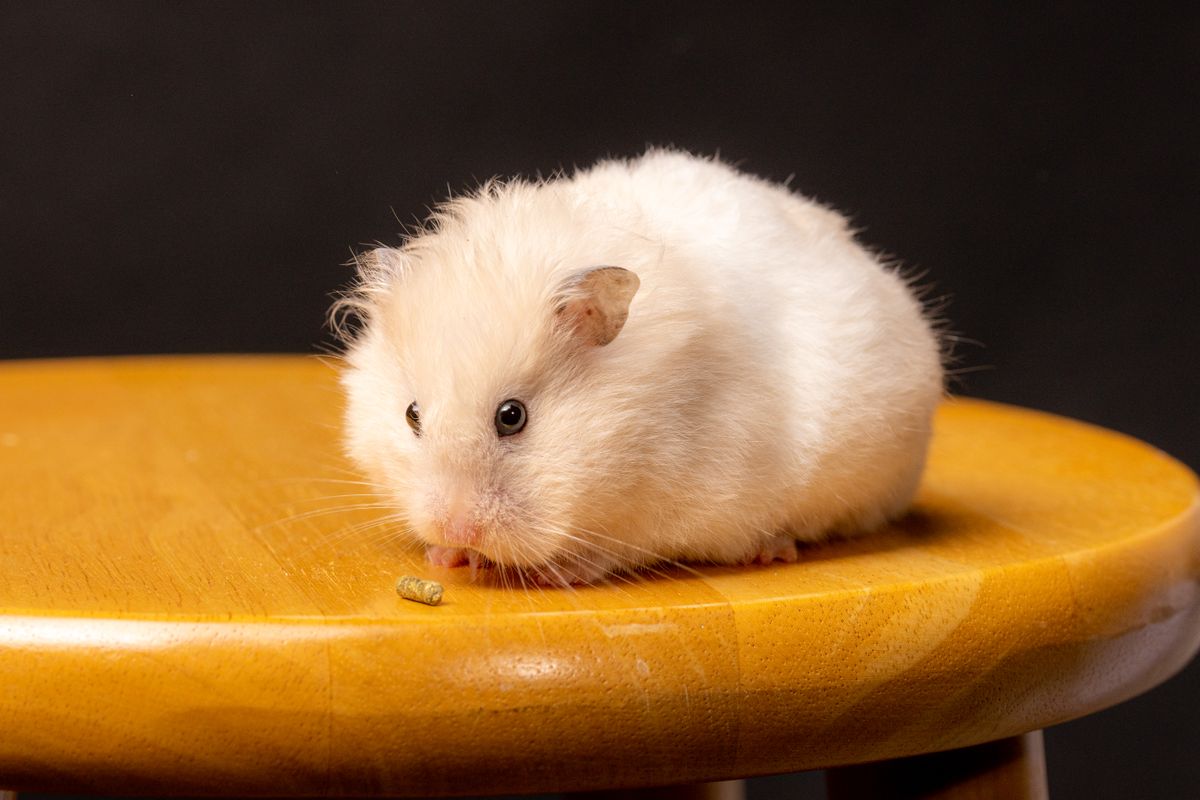
The sound of a hamster chewing on cage bars at night is hard to ignore. Many owners assume their hamster is just “sharpening its teeth.” In most cases, though, bar biting is a sign that something about the hamster’s environment isn’t meeting its needs. Here’s why you might see your hamster biting cage bars and what you can do about it.
Quick Answer: Bar biting is usually a stress behavior. The most common causes are a cage that’s too small, not enough bedding to burrow in, boredom, or wanting to get out. A bigger enclosure with deep bedding and more enrichment fixes most cases.
Why It’s Worth Fixing
Bar biting isn’t harmless. Chewing metal can:
- Break or misalign teeth, leading to hamster teeth problems
- Cause sores or hair loss on the face
- Signal chronic stress, which can affect the immune system
7 Common Causes of Bar Biting
1. The cage is too small
This is the top cause. Hamsters roam widely in the wild. Studies on hamster welfare have found that bar biting drops in larger enclosures. Check our guide to hamster cage size.
2. Not enough bedding
Hamsters are natural burrowers. Without 6 inches or more of bedding, they can’t dig, which leaves them frustrated.
3. Boredom
A cage with only a bowl and a wheel doesn’t give a hamster much to do. They need things to forage, climb through and chew.
4. A wheel that’s too small or missing
Running is a major outlet for energy. A wheel that’s too small forces the back to arch, so many hamsters avoid using it.
5. Wanting attention or out-of-cage time
Some hamsters learn that bar biting brings their owner over. If you respond by picking them up, the habit may get stronger.
6. Hunger or wanting treats
Occasionally, hamsters bite bars when food runs low or when they smell treats nearby.
7. Learned habit
Once bar biting becomes a habit, it can continue even after the cause is fixed. Patience helps.
How to Stop Your Hamster Biting the Cage Bars
- Upgrade the enclosure. Aim for at least 600 square inches of floor space. A bin cage or glass tank removes the bars entirely.
- Add deep bedding. Pile it 6 to 10 inches deep in at least part of the cage.
- Provide a proper wheel. At least 11 inches for Syrians and 8 inches for dwarf hamsters.
- Scatter-feed. Sprinkle part of the daily food across the bedding so your hamster forages.
- Add enrichment. Tunnels, cork logs, cardboard boxes, sand baths and safe chews give your hamster things to do.
- Don’t reward bar biting. Wait until your hamster stops before you interact.
- Keep a consistent routine. Feed and clean at similar times each day.
Is It Teething?
Not really. Hamsters do need to chew to keep their teeth worn down, but they get that from hard food and chew toys. Bar biting is usually about stress, not tooth length.
A Quick Enrichment Checklist
Use this list to see whether your hamster’s cage covers the basics:
- A solid wheel of the right size
- At least 6 inches of bedding in part of the cage
- Two or more hides
- A sand bath
- Cork, cardboard or wooden tunnels
- Safe chews like apple or willow sticks
- Food scattered in the bedding, not only in a bowl
- Something new to explore every week, such as a cardboard maze
Rotating a few items each week keeps the space interesting without causing stress. Change only one or two things at a time, so your hamster still recognizes its home.
When to See a Vet
Book an exotic vet visit if your hamster:
- Has a broken or crooked tooth
- Has sores, scabs or hair loss on the nose or face
- Is losing weight
- Keeps bar biting despite a better setup, which can sometimes signal pain or illness
Frequently Asked Questions
Will my hamster grow out of bar biting?
Rarely on its own. Changes to the enclosure usually make the biggest difference.
Should I cover the bars with something?
Covering bars with plastic or cardboard can create a chewing hazard. Moving to a bin or tank is safer.
Do dwarf hamsters bar bite too?
Yes, although Syrian hamsters are the most common bar biters. The same fixes apply.
How long does it take to stop bar biting?
Many hamsters bite less within a week or two of moving to a bigger, enriched enclosure. Older habits can take longer. Keep the setup consistent and avoid rewarding the behavior with attention.
Can bar biting hurt my hamster’s nose?
Yes. Constant rubbing against bars can cause hair loss, scabs and sores on the nose. These usually heal once the bar biting stops, but see a vet if they look infected.
This article is for general information only and isn’t a substitute for professional veterinary advice. If you’re worried about your pet’s health, contact your veterinarian or an emergency animal hospital.