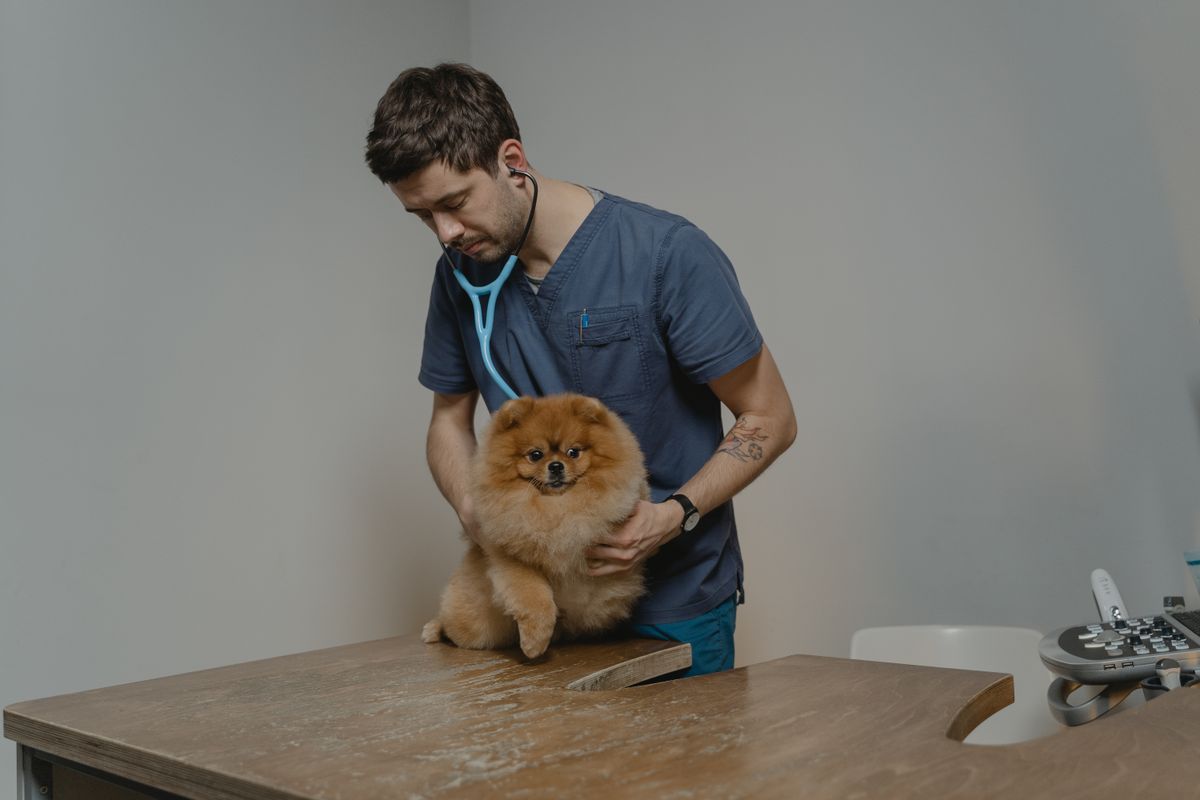
Vaccines are one of the most important ways to protect a new puppy. Puppies are especially vulnerable to serious diseases like parvovirus and distemper. Following the right puppy vaccination schedule gives your puppy the best start. Here’s what shots puppies need and when.
Quick Answer: Puppies usually start core vaccines (distemper, parvovirus, adenovirus and often parainfluenza, called DHPP or DAPP) at 6 to 8 weeks, then get boosters every 2 to 4 weeks until about 16 weeks or older. Rabies is given around 12 to 16 weeks, depending on local law. Lifestyle vaccines like leptospirosis, Bordetella, Lyme and canine influenza depend on risk.
Core Vaccines for All Dogs
| Vaccine | Protects against | Why it matters |
|---|---|---|
| Distemper | Canine distemper virus | Severe, often fatal; affects lungs, gut and brain |
| Parvovirus | Canine parvovirus | Severe vomiting and diarrhea; often fatal in puppies |
| Adenovirus (hepatitis) | Canine adenovirus | Liver disease and respiratory illness |
| Rabies | Rabies virus | Always fatal; required by law in most places |
Non-Core (Lifestyle) Vaccines
| Vaccine | Consider if your dog… |
|---|---|
| Leptospirosis | Has contact with wildlife, standing water or lives in risk areas |
| Bordetella (kennel cough) | Goes to daycare, boarding, grooming or dog parks |
| Canine influenza | Is around many dogs, especially where outbreaks occur |
| Lyme disease | Lives in or travels to tick-heavy areas |
| Parainfluenza | Often included in combination vaccines |
VCA Animal Hospitals and the AVMA explain how vets tailor vaccine plans to each dog’s lifestyle.
Typical Puppy Schedule
| Age | Vaccines |
|---|---|
| 6–8 weeks | DHPP #1 |
| 10–12 weeks | DHPP #2; Bordetella and leptospirosis #1 if needed |
| 14–16 weeks | DHPP #3; leptospirosis #2 if needed; rabies (12–16 weeks depending on law) |
| 16–20 weeks | Final DHPP if needed (many vets end the series at 16 weeks or later) |
| 12–16 months | Boosters for DHPP, rabies and lifestyle vaccines |
Your vet may adjust timing based on your puppy’s age, health and local disease risks.
Why Do Puppies Need So Many Shots?
Puppies get antibodies from their mother’s milk. These maternal antibodies protect them early on but can block vaccines from working. Because it’s impossible to know exactly when a puppy’s maternal antibodies fade, vets give a series of vaccines to make sure protection develops.
Adult Dog Boosters
| Vaccine | Typical schedule after the 1-year booster |
|---|---|
| DHPP | Every 3 years for many dogs |
| Rabies | Every 1 or 3 years depending on product and law |
| Leptospirosis | Yearly |
| Bordetella | Every 6–12 months for at-risk dogs |
| Lyme | Yearly for at-risk dogs |
| Canine influenza | Yearly for at-risk dogs |
Keeping Your Puppy Safe Before Full Vaccination
Until your puppy finishes the series:
- Avoid dog parks, pet stores and areas where unknown dogs gather.
- Carry your puppy in public places like the vet clinic.
- Socialize with healthy, vaccinated dogs in safe environments.
- Consider puppy classes that require vaccine records and clean facilities.
Socialization is still very important. Talk to your vet about safe ways to do it.
Vaccine Reactions
Most puppies have no problems or only mild effects like sleepiness or soreness. Rarely, puppies have allergic reactions.
Call your vet right away if your puppy has facial swelling, hives, vomiting, trouble breathing or collapses after a vaccine.
Other Puppy Health Needs
- Deworming
- Flea, tick and heartworm prevention
- Microchipping
- Spay or neuter discussion
- Dental care. See dog dental care.
Frequently Asked Questions
What if my puppy missed a shot?
Call your vet. They may continue the series or restart it, depending on how much time passed.
Can my puppy go outside before vaccines are done?
Your own yard is usually lower risk if unvaccinated dogs haven’t been there. Avoid public dog areas.
Is parvovirus common?
Yes, in many areas. It’s very contagious and survives in the environment for months.
Do indoor dogs need vaccines?
Yes. Core diseases can still reach your dog, and rabies vaccination is usually required by law.
Can I vaccinate my puppy myself?
Some vaccines are sold to owners, but rabies must be given by a vet. Many experts recommend vet-given vaccines for proper storage, records and exams.
How much do puppy shots cost?
Prices vary by region and clinic. Many clinics offer puppy packages that bundle exams and vaccines.
Are titers an alternative to boosters?
Titer tests can show immunity to some diseases, like parvovirus and distemper. Ask your vet if they’re right for your dog.
When can my puppy meet other dogs?
Your puppy can meet healthy, fully vaccinated adult dogs in safe places, like a friend’s home, before finishing the series.
Do small breeds need the same vaccines?
Yes. Core vaccines are the same for all sizes. Your vet may space out vaccines for very small puppies to reduce reaction risk.
Should my puppy get vaccines and deworming at the same visit?
Often, yes. Combining care in one visit is common and safe for most puppies.
This article is for general information only and isn’t a substitute for professional veterinary advice. If you’re worried about your pet’s health, contact your veterinarian or an emergency animal hospital.