One of the first decisions in the saltwater hobby is whether to build a reef tank or a fish-only system. Each has its own advantages, costs and limits on which fish you can keep. This guide compares reef-safe vs fish-only tanks so you can choose the setup that fits your goals.
Quick Answer: Fish-only (FO) and fish-only with live rock (FOWLR) tanks are simpler and cheaper, and they allow fish that eat corals or invertebrates. Reef tanks include corals and invertebrates, need stronger lighting and tighter water control, and limit you to “reef-safe” fish. Many beginners start with FOWLR and later add easy corals.
The Three Main Types
| Type | What it includes |
|---|---|
| Fish-only (FO) | Fish, artificial decor, mechanical and biological filtration |
| Fish-only with live rock (FOWLR) | Fish plus live rock for natural filtration |
| Reef tank | Corals, invertebrates and reef-safe fish |
Side-by-Side Comparison
| Factor | FO / FOWLR | Reef |
|---|---|---|
| Setup cost | Lower | Higher (lighting, flow, testing) |
| Lighting | Basic | Strong, specialized |
| Water parameter control | Moderate | Tight (alkalinity, calcium, magnesium) |
| Fish choices | Wider, including larger and predatory fish | Limited to reef-safe species |
| Disease treatment | Can treat in display with some medications | Must use hospital tank |
| Maintenance | Moderate | Higher |
| Visual appeal | Bold fish | Colorful living reef |
What “Reef-Safe” Means
A reef-safe fish is unlikely to eat or damage corals, clams, shrimp or snails. Some fish are “reef-safe with caution,” meaning they may nip certain corals.
Typically reef-safe
- Clownfish. See our clownfish care guide.
- Gobies and blennies
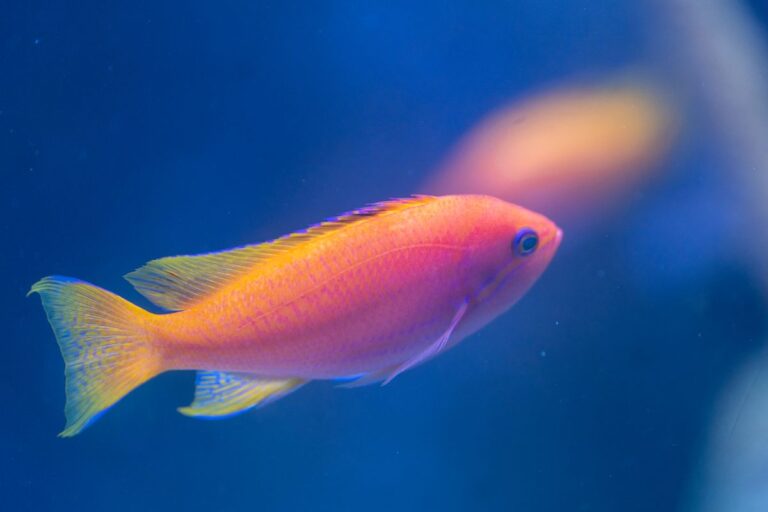
- Royal grammas
- Chromis and cardinalfish
- Most tangs. See our tang care guide.
Not reef-safe
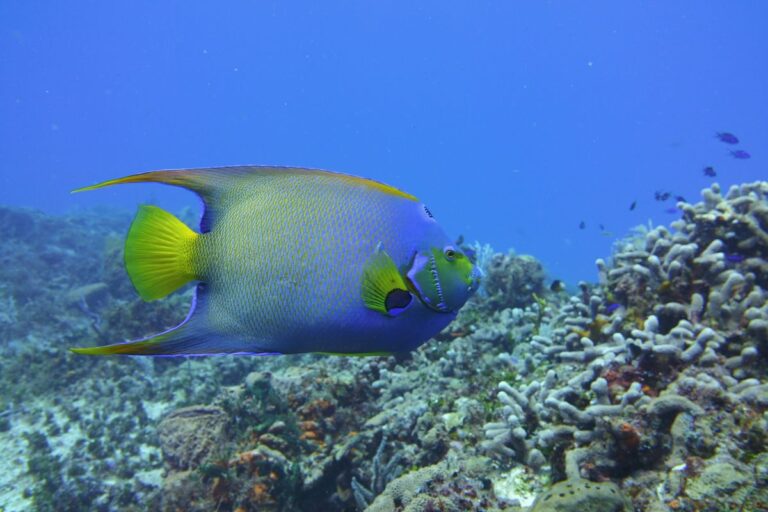
- Many large angelfish
- Triggerfish
- Pufferfish
- Lionfish (eat small fish and shrimp)
- Many butterflyfish
Benefits of a Fish-Only or FOWLR Tank
- Lower cost and simpler lighting
- More forgiving water chemistry
- Bigger, bolder fish
- Easier disease treatment, since some medications can be used without harming corals
Benefits of a Reef Tank
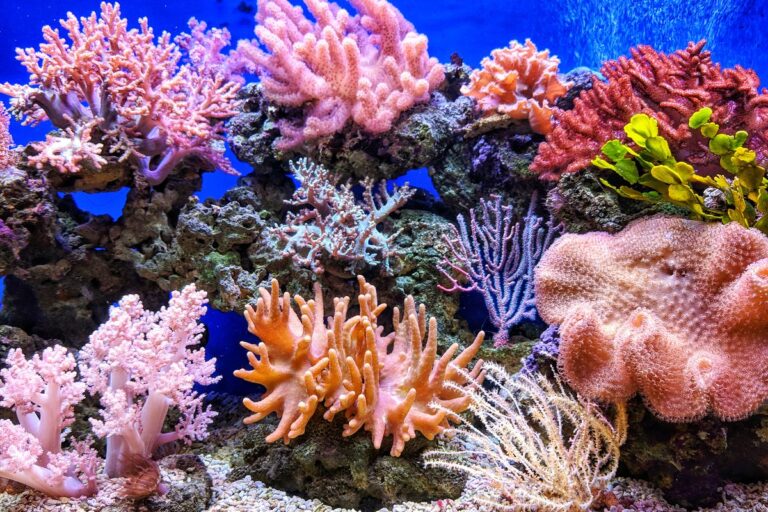
- Beautiful, colorful living ecosystem
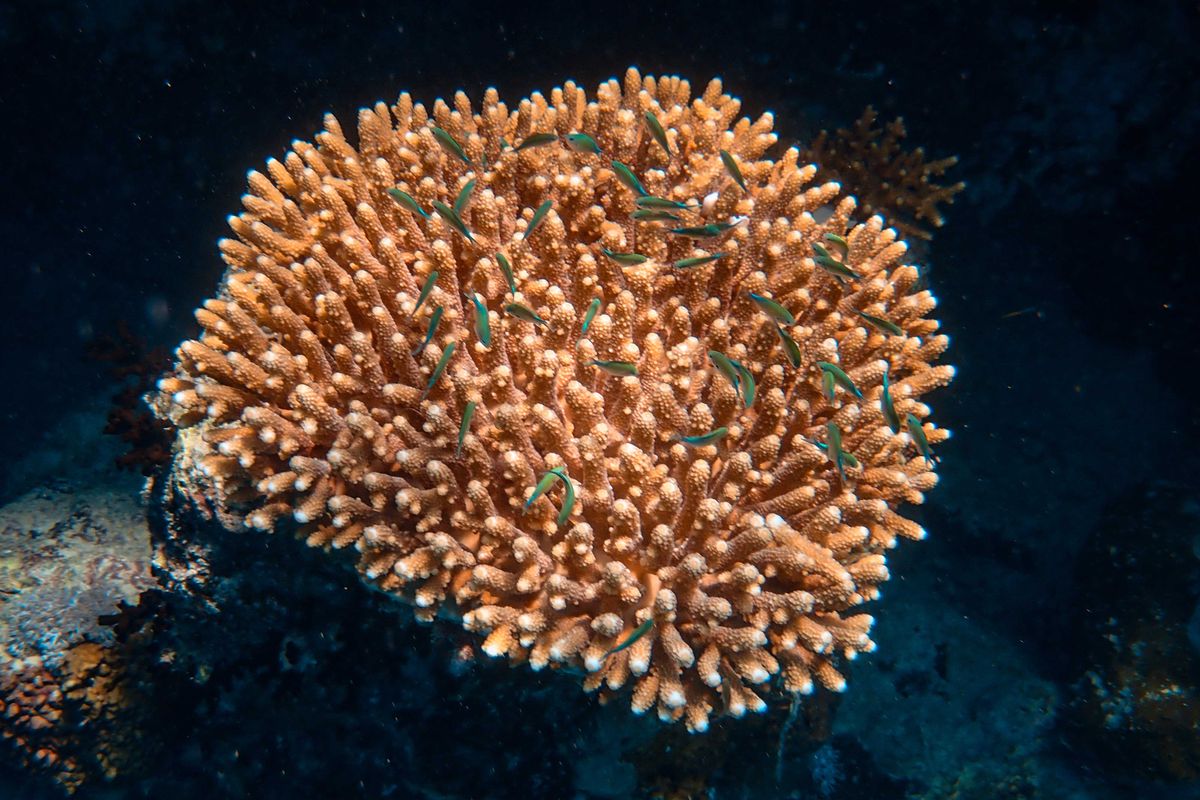
- Corals and invertebrates add movement and variety
- Natural biological filtration from live rock and macroalgae
Equipment Differences
| Equipment | FO / FOWLR | Reef |
|---|---|---|
| Lighting | Simple LED | Reef LED or high-output lighting |
| Flow | Moderate | Stronger, varied flow |
| Protein skimmer | Recommended | Strongly recommended. See protein skimmers explained. |
| Testing | Basic | Alkalinity, calcium, magnesium, phosphate |
| Dosing | Rarely | Often for stony corals |
Medication Note
Copper, a common treatment for parasites like marine ich, is toxic to corals and invertebrates. In a reef, sick fish must go into a separate hospital tank.
Which Should You Choose?
Choose FO or FOWLR if you:
- Want larger or more unusual fish
- Prefer a lower budget
- Want simpler water chemistry
Choose a reef tank if you:
- Love corals and invertebrates
- Enjoy testing and fine-tuning
- Are ready for higher equipment costs
Middle ground: Start with FOWLR and reef-safe fish, then add hardy soft corals as you gain experience.
See saltwater tank water parameters for the targets each setup needs. The Merck Veterinary Manual also stresses water quality for all aquarium types.
Frequently Asked Questions
Can I convert a FOWLR to a reef later?
Yes, if your fish are reef-safe and you upgrade lighting, flow and testing.
Are soft corals easy for beginners?
Many soft corals, like mushrooms and leathers, are hardy and forgiving.
Do reef tanks need more water changes?
Not always, but reef tanks need closer monitoring and stable chemistry.
Is a reef tank much more expensive?
Usually yes, mainly because of lighting, flow and testing equipment.
Can I keep a lionfish in a reef tank?
Lionfish won’t eat corals, but they eat small fish and shrimp. They’re usually kept in fish-only or FOWLR systems.
What are the easiest corals for beginners?
Mushrooms, zoanthids, leathers, green star polyps and some hardy LPS corals are popular starter choices.
Do fish-only tanks need special lighting?
No. Fish do fine with basic aquarium lighting for viewing. Strong lighting is only needed for photosynthetic corals and anemones.
Which setup is better for large fish?
Fish-only and FOWLR systems are better for large or predatory fish that would damage corals or eat small invertebrates.
How much live rock should I use?
A common guide is about 1 pound per gallon, but many keepers now use less for a more open aquascape and better flow.
Can I add invertebrates to a fish-only tank?
Some, like hardy snails and hermit crabs, can work in FOWLR tanks if the fish won’t eat them. Avoid inverts with fish like triggers and puffers.
Do reef tanks need a refugium?
Not necessarily, but a refugium with macroalgae helps lower nitrate and phosphate and gives copepods a safe place to breed.
Which setup holds its value better?
Reef equipment like quality lighting tends to resell well, but both setups lose value over time. Choose based on what you’ll enjoy keeping.
How long before I can add corals?
Wait until the tank has been stable for a few months with consistent parameters before adding your first hardy corals.
This article is for general information only and isn’t a substitute for professional veterinary advice. If you’re worried about your pet’s health, contact your veterinarian or an emergency animal hospital.