Cats are living longer than ever, with many reaching their late teens or even 20s. As cats age, their needs change. Many health problems in older cats develop slowly and are easy to miss. Here’s a guide to caring for a senior cat, including common health changes and how to keep your cat comfortable.
Quick Answer: Cats are often considered senior around age 10 to 11. Key steps include vet checkups every 6 months with bloodwork and blood pressure checks, monitoring weight, adjusting diet, managing arthritis pain, providing easy-access litter boxes and resting spots, and watching for changes in drinking, eating and behavior.
Common Health Changes in Senior Cats
| Condition | Signs |
|---|---|
| Chronic kidney disease | More drinking and urination, weight loss. See chronic kidney disease in cats. |
| Hyperthyroidism | Weight loss with a big appetite. See hyperthyroidism in cats. |
| Arthritis | Less jumping, stiffness, poor grooming |
| Dental disease | Bad breath, dropping food. See cat dental disease. |
| Diabetes | More thirst and urination. See diabetes in cats. |
| High blood pressure | Sudden blindness, dilated pupils |
| Cancer | Lumps, weight loss, appetite changes |
| Cognitive dysfunction | Confusion, night yowling, litter box accidents |
The Cornell Feline Health Center highlights the importance of regular checkups for older cats.
Vet Visits
Many vets recommend checkups every 6 months for senior cats. These may include:
- Weight and body condition
- Bloodwork and urinalysis
- Blood pressure
- Thyroid testing
- Dental exam
- Joint assessment
Diet and Weight
- Some seniors gain weight; others lose weight and muscle.
- Weigh your cat monthly.
- Senior diets may be more digestible or support kidney and joint health.
- Wet food helps hydration. See wet vs. dry cat food.
- Don’t switch to a “senior” diet without checking with your vet if your cat has a medical condition.
Arthritis and Comfort
Arthritis is very common in older cats but often missed.
- Provide ramps or steps to favorite spots.
- Offer soft, warm beds in easy-to-reach places.
- Use low-sided litter boxes.
- Keep nails trimmed, since older cats may not wear them down.
- Ask your vet about pain relief options.
See signs your cat is in pain.
Grooming
Older cats may groom less, leading to mats and greasy fur. Gentle brushing helps and lets you check for lumps.
Litter Box Setup
- Place boxes on every floor.
- Use boxes with low entries.
- Keep boxes close to where your cat spends time.
See litter box basics.
Mental Stimulation
- Gentle play with wand toys
- Puzzle feeders
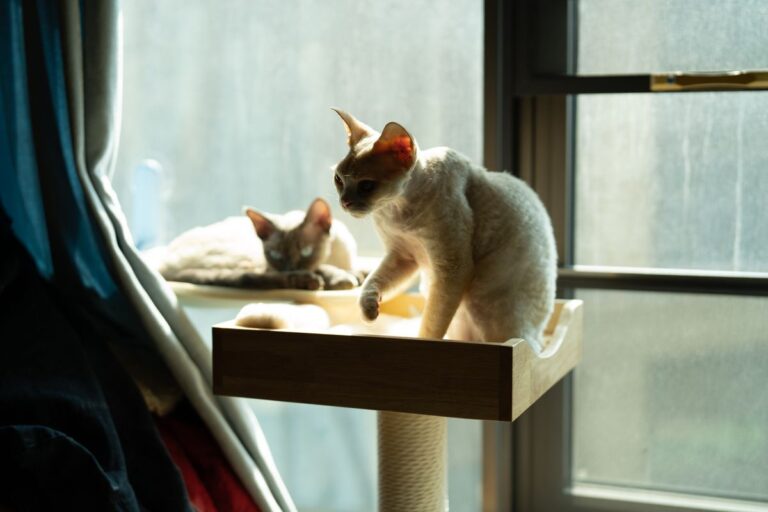
- Window perches for bird watching
- Consistent routines
Cognitive Dysfunction
Signs include:
- Wandering or getting lost
- Night yowling
- Changes in sleep
- Litter box accidents
- Less interest in people
Your vet can rule out other causes and suggest diet, enrichment and medications that may help.
Monitoring at Home
| What to track | Why |
|---|---|
| Weight | Early sign of many diseases |
| Water intake | Kidney disease, diabetes, hyperthyroidism |
| Litter box output | Changes in urine and stool |
| Appetite | Dental disease, nausea |
| Mobility | Arthritis |
| Behavior | Pain, cognitive changes |
Quality of Life
Talk openly with your vet about quality of life as your cat ages, including pain, appetite, mobility and enjoyment.
When to Call Your Vet
Call your vet if your senior cat:
- Loses weight
- Drinks or urinates more
- Stops eating for more than a day
- Has trouble walking or jumping
- Seems confused or yowls at night
- Suddenly loses vision
Frequently Asked Questions
What age is a senior cat?
Around 10 to 11 years, though “geriatric” often refers to cats 15 and older.
Do senior cats need special food?
Not always. Your vet can recommend a diet based on health and weight.
Is it normal for older cats to sleep more?
Somewhat, but big changes should be checked.
Can older cats still play?
Yes. Many enjoy gentle play, which helps keep them fit and engaged.
Should older cats still get vaccines?
Most still need some vaccines. Your vet will adjust the plan based on health and lifestyle.
How can I help an older cat stay warm?
Provide soft beds away from drafts, and consider a pet-safe heated pad designed for cats.
Why is my old cat losing weight?
Weight loss in older cats is often linked to medical problems like kidney disease, hyperthyroidism or dental pain. See your vet.
How can I tell if my senior cat has arthritis?
Look for reluctance to jump, using stairs slowly, sleeping in lower places, grooming less and stiffness after rest. Your vet can confirm it.
Are supplements helpful for older cats?
Some cats may benefit from omega-3 fatty acids or joint supplements. Ask your vet which products are safe and worthwhile.
This article is for general information only and isn’t a substitute for professional veterinary advice. If you’re worried about your pet’s health, contact your veterinarian or an emergency animal hospital.