One week your nesting boxes are full, and the next there’s barely an egg. It’s a common worry for backyard flock owners. The good news is that most of the reasons chickens stop laying eggs are normal and temporary. This guide covers nine common causes, how to tell which one fits your flock, and when a drop in eggs could mean a health problem.
Quick Answer: Most hens slow down or stop laying because of shorter days in fall and winter, molting, age, diet or stress. These are usually normal. But a sudden drop in eggs along with signs like lethargy, coughing or diarrhea can mean illness, so check your flock and call an avian vet if anything looks off.
1. Shorter Days
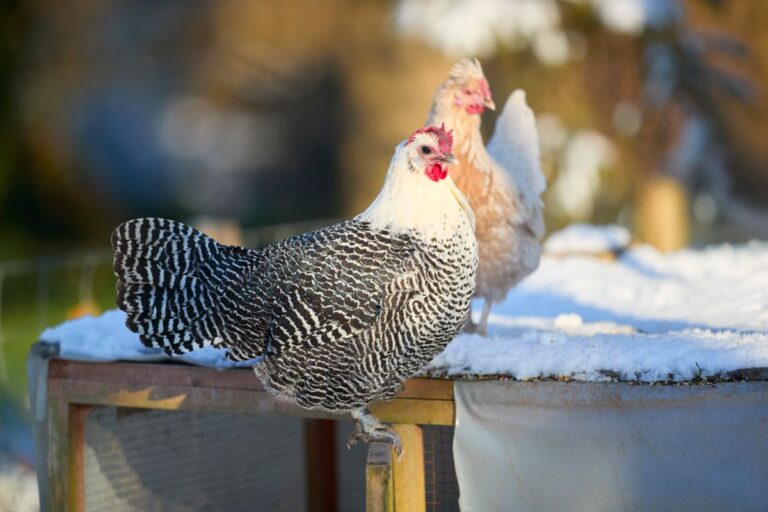
Light is the biggest factor in egg production. According to Virginia Cooperative Extension, hens need about 14 hours of light a day to lay at their best. Laying drops off, and often stops, when days fall below 12 hours.
In most of the U.S., that happens naturally from about October through February. Some owners add a light in the coop, on a timer, to extend the day. If you do, add the light in the early morning, not the evening, and give hens at least 6 hours of continuous darkness. Many keepers let hens rest in winter instead.
2. Molting
Every year, usually in late summer or fall, chickens shed old feathers and grow new ones. This is called molting. Growing feathers takes a lot of protein, so most hens stop laying for several weeks. Expect patchy feathers on the coop floor and a scruffy-looking flock. It’s normal, and laying usually resumes once new feathers come in.
3. Age
Hens lay the most in their first two years. After that, production gradually drops each year. Older hens molt more often and lay fewer eggs, but many keep laying a few eggs for years.
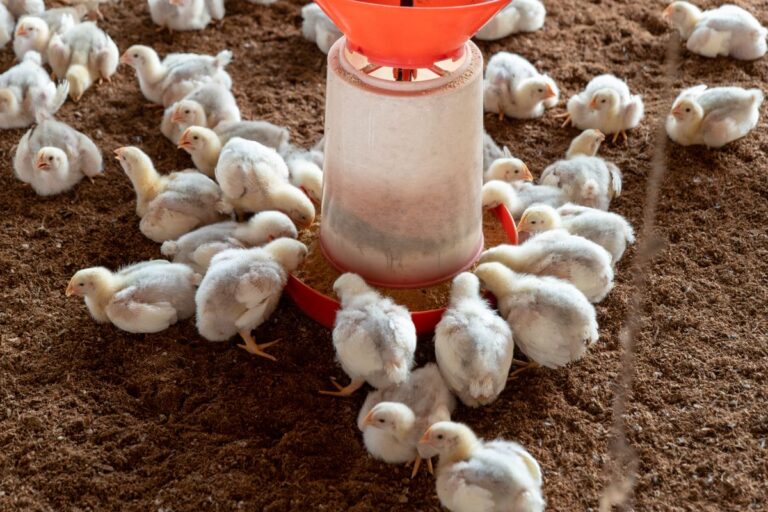
Young pullets won’t lay until they mature, usually around 18 to 22 weeks old, depending on breed.
4. Diet
A hen needs balanced nutrition to make an egg almost every day. Common diet problems include:
- Not feeding layer feed. A complete layer feed with 16–18% protein should make up most of the diet.
- Too many treats. Scratch grains and kitchen scraps fill hens up without enough protein. Keep treats to a small handful.
- Not enough calcium. Offer crushed oyster shell in a separate dish.
5. Not Enough Water
An egg is mostly water, so even a short time without water can disrupt laying. Check waterers every day, especially in summer heat and when water can freeze in winter.
6. Stress
Chickens are creatures of habit. Laying can stop after:
- Moving to a new coop or adding new birds
- Predator visits, even unsuccessful ones
- Loud noises, rough handling or chasing by pets
- Very hot weather, or cold, damp or drafty housing
Once the stress passes, most hens get back on track within a few weeks.
7. Broodiness
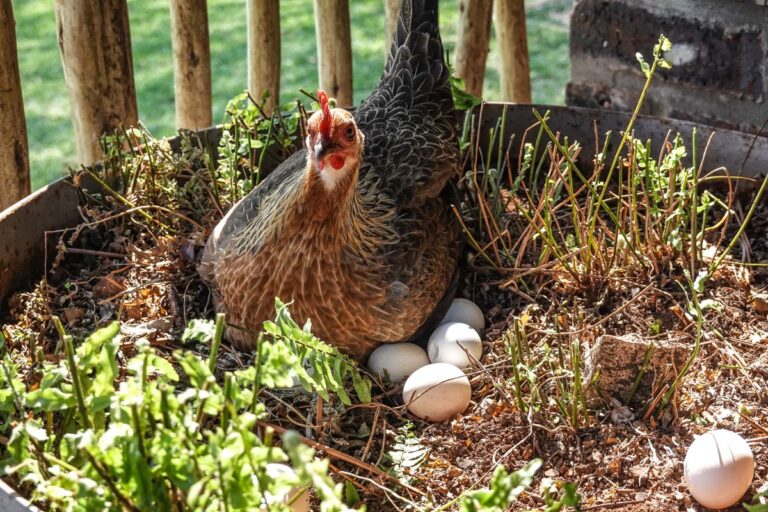
A broody hen wants to hatch eggs. She sits in the nest box all day, puffs up and may growl or peck when you reach under her. Broody hens stop laying. If you don’t want chicks, collect eggs often and gently move her off the nest.
8. Parasites
Mites and lice feed on chickens and cause stress, feather damage and, in heavy infestations, anemia. Worms can steal nutrients. Check under wings and around the vent for crawling pests or clusters of eggs at the base of feathers. Talk to your vet about safe treatment for laying hens.
9. Illness
The Virginia Cooperative Extension notes that a drop in eggs is often one of the first signs of disease in a flock. Other signs include:
- Lethargy or a hunched posture
- Watery eyes or nostrils
- Coughing, sneezing or noisy breathing
- Diarrhea or changes in droppings
- Pale comb, lameness or sudden deaths
Quarantine new birds for a few weeks before adding them to your flock to keep diseases out.
When Chickens Stop Laying Eggs: Check for Hidden Eggs
Before you worry, make sure hens aren’t just laying somewhere else. Free-range hens often start secret nests in bushes or corners. Predators such as snakes and rats, or an egg-eating hen, can also make eggs disappear.
When to Call Your Vet
Call an avian vet promptly if:
- Egg production drops suddenly along with any signs of illness
- A hen is straining, sitting in the nest box for hours without laying, or walking upright like a penguin. These can be signs of egg binding.
- Several birds are sick or birds die unexpectedly
Book an appointment if:
- Your flock hasn’t resumed laying after molting or once days lengthen
- You find parasites and need help choosing safe treatment
Frequently Asked Questions
How long do chickens stop laying during a molt?
It varies, but many hens stop for 8 to 12 weeks. High-protein feed during the molt helps them regrow feathers and get back to laying.
Should I add light to my coop in winter?
It’s your choice. Extra light on a timer can keep hens laying, but many keepers let hens rest naturally during winter. If you add light, keep it consistent and give hens at least 6 hours of darkness.
At what age do hens stop laying completely?
There’s no set age. Production declines after about two years, but many hens lay occasionally for several more years. Some breeds lay longer than others.
Can a hen stop laying because of heat?
Yes. Hot weather stresses chickens and often reduces laying. Provide shade, good airflow and plenty of cool, fresh water.
This article is for general information only and isn’t a substitute for professional veterinary advice. If you’re worried about your pet’s health, contact your veterinarian or an emergency animal hospital.