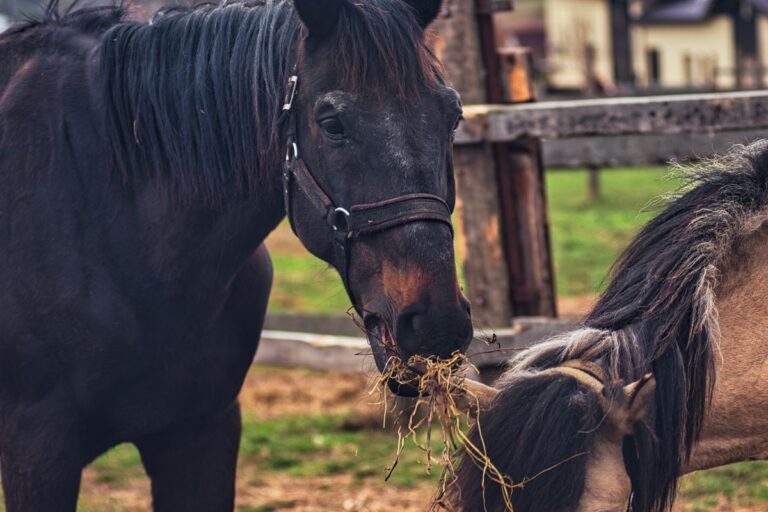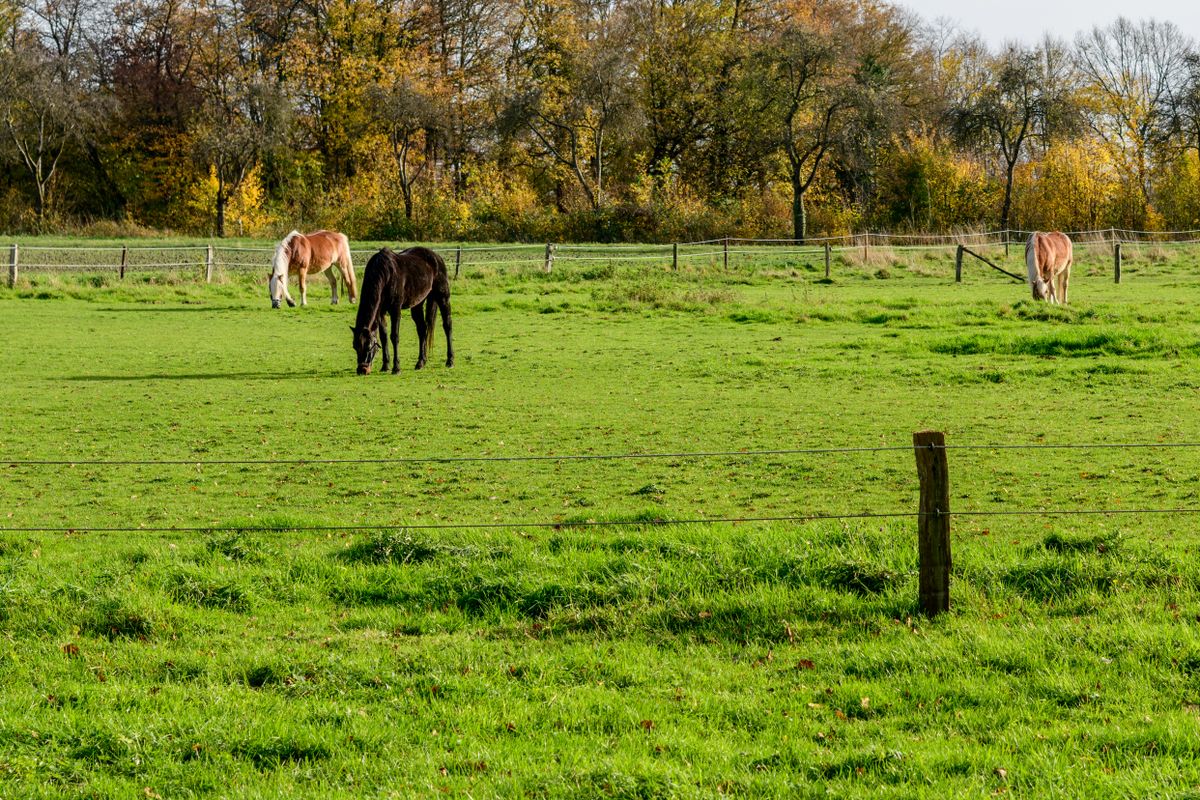
Lush pasture can be a real risk for easy keepers and horses prone to laminitis. Grazing muzzles let these horses go out with their herd while eating less grass. The Best Friend and Flexible Filly are two of the most common designs. This comparison looks at how they differ and how to use any muzzle safely.
The Short Answer: Both the Best Friend and Flexible Filly can reduce grass intake and let at-risk horses keep their turnout. The Best Friend is a basket-style muzzle with an adjustable fit, while the Flexible Filly uses a flexible design that attaches to a halter. Fit, breakaway safety and daily checks matter more than the brand.
Key Details
| Feature | Details |
|---|---|
| Best Friend | Basket-style muzzle with adjustable straps (check current models) |
| Flexible Filly | Flexible muzzle that attaches to a halter (check current models) |
| Purpose | Reduce pasture intake |
| Key safety feature | Breakaway halter or breakaway parts |
| Best for | Easy keepers and horses at risk of laminitis |
What It Is and How It Works
A grazing muzzle has a small opening at the bottom. The horse can still drink and graze, but it takes in less grass with each bite.
Research has shown grazing muzzles can substantially reduce pasture intake. This makes them a useful tool for horses with equine metabolic syndrome, insulin dysregulation or a history of laminitis. See laminitis in horses and body condition scoring for horses.
Muzzles aren’t a complete answer. Some horses learn to eat more hours a day to make up the difference, and lush spring and fall grass can still be risky. Your vet may also recommend limited turnout, a dry lot or soaked hay.
What We Like
- Lets at-risk horses keep turnout with herdmates
- Can substantially reduce grass intake
- Several designs and sizes
- Generally affordable
- Supports weight management plans
Drawbacks
- Can cause rubs if poorly fitted
- Some horses learn to remove them
- May increase tooth wear
- Needs daily checks
How the Two Designs Compare
| Feature | Best Friend | Flexible Filly |
|---|---|---|
| Style | Basket muzzle with straps | Flexible muzzle attached to a halter |
| Fit adjustment | Adjustable crown and straps | Depends on halter fit and attachment |
| Weight | Varies by model | Generally lightweight |
| Common complaints | Rubbing, especially at the nose and cheeks | Fit can shift if the halter is loose |
| Breakaway | Check model details | Use with a breakaway halter |
Many owners try more than one style. Every horse’s head shape is different, so a muzzle that works well on one horse may rub another.
Safety Notes and Possible Side Effects
- Use a breakaway halter or breakaway parts so a trapped muzzle can release.
- Check daily for rubbing, especially on the nose, chin and behind the ears.
- Make sure your horse can drink easily while wearing it.
- Follow your vet’s guidance on how many hours a day to use it.
- Watch for incisor wear with long-term use.
Things to Consider Before Buying
- Measure your horse’s head and follow sizing charts.
- Choose a breakaway option.
- Introduce the muzzle gradually.
- Check the bottom opening for wear.
- Pair it with your vet’s overall weight plan.
Tips for Using It
- Let your horse wear the muzzle in the stall with treats or hay before turnout.
- Add fleece padding where rubbing occurs.
- Keep a spare in case one breaks or goes missing.
Who It Suits
| Good fit if… | Consider something else if… |
|---|---|
| Your horse is an easy keeper on pasture | Your horse has active laminitis (your vet may advise no grass at all) |
| Your horse is at risk of laminitis | Your horse is severely stressed by wearing a muzzle |
| You want to keep your horse with its herd |
Alternatives to Consider
| Option | How it differs |
|---|---|
| Dry lot with soaked hay | Strict control of sugar intake |
| Limited turnout | Shorter grazing time |
| Track systems | Encourage movement with less grass |
When to Call Your Vet
Contact your vet if:
- Your horse shows signs of laminitis, such as reluctance to move or a rocked-back stance
- Your horse has rubs that become sores
- Your horse loses or gains weight rapidly
Frequently Asked Questions
Which grazing muzzle is better, Best Friend or Flexible Filly?
Neither is better for every horse. Fit and comfort vary with head shape. Many owners try both to see which stays on and causes fewer rubs.
How long can a horse wear a grazing muzzle?
Your vet can advise based on your horse’s needs. Many owners avoid round-the-clock use and give daily breaks while the horse is in a dry lot or stall.
Can horses drink with a grazing muzzle?
Yes. Horses can drink through the opening, but check that your horse is drinking normally, especially at first.
How do I stop a muzzle from rubbing?
Check fit, add fleece padding where needed and keep straps clean. Persistent rubs may mean you need a different size or style.
Do grazing muzzles prevent laminitis?
They reduce grass intake, which can lower risk for some horses. They’re not a guarantee, and horses with active laminitis usually need stricter management.
My horse keeps taking the muzzle off. What can I do?
Check fit first. A muzzle that’s too loose comes off easily. Some owners add a throatlatch or try a different design.
Will a grazing muzzle wear my horse’s teeth?
Some horses show extra incisor wear. Regular dental checks help catch changes.
Can a horse eat hay with a grazing muzzle?
Some horses can pull hay through the opening, but slowly. Many owners remove the muzzle when the horse is stalled with a measured hay ration.
Pet Health Man is independent and isn’t paid by the brands we review. Product formulas, specifications and prices change, so check the current label or the manufacturer’s information before you buy.
This article is for general information only and isn’t a substitute for professional veterinary advice. If you’re worried about your pet’s health, contact your veterinarian or an emergency animal hospital.