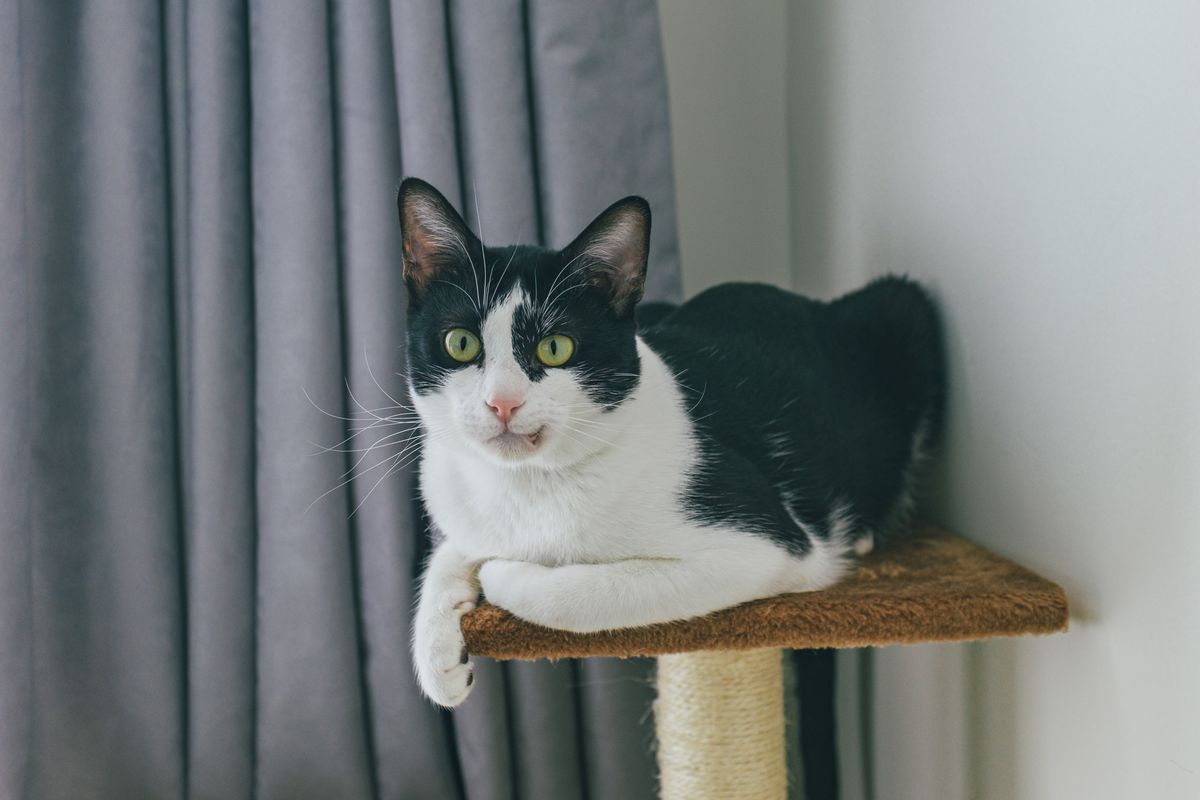
Scratching is a normal and necessary cat behavior. Cats scratch to remove the worn outer layer of their claws, stretch their bodies and leave visual and scent marks. A good scratching post gives them a better target than your sofa. The SmartCat Ultimate Scratching Post is popular for its height, weight and sisal covering. This review looks at what makes it work and how to get your cat to use it.
Verdict at a Glance: The SmartCat Ultimate Scratching Post is a tall, heavy, sisal-covered post that many cats use readily. It meets the two features cats care about most in a vertical scratcher: enough height to stretch fully and enough stability not to wobble. It costs more than small carpeted posts but tends to last much longer.
At a Glance
| Feature | Details |
|---|---|
| Type | Vertical scratching post |
| Height | Tall enough for most adult cats to stretch fully (check current listing) |
| Covering | Woven sisal |
| Base | Wide, heavy base for stability |
| Best for | Cats that scratch furniture vertically |
What It Is and How It Works
Cats tend to ignore posts that are too short or that wobble. A post that tips when a cat leans into it can startle the cat and send it back to the couch. The SmartCat post’s heavy base and height address both problems.
The woven sisal covering is rough and fibrous, which many cats prefer. Carpet-covered posts can confuse cats, since carpet elsewhere in the home looks and feels the same.
Scratching preferences vary. Some cats prefer vertical surfaces, while others scratch horizontally on rugs or floors. Watch where and how your cat scratches now, and match it. See how to stop your cats from scratching furniture and scratching solutions for cats.
Pros and Cons
| Pros | Cons |
|---|---|
| Tall enough for a full stretch | Higher price than small posts |
| Heavy base resists tipping | Takes up floor space |
| Woven sisal many cats prefer | Plain appearance |
| Durable compared with many posts | Doesn’t suit cats that prefer horizontal scratching |
| Simple design that fits most rooms |
Encouraging Your Cat to Use It
- Place the post right next to the furniture your cat scratches now.
- Put a post near where your cat sleeps, since cats often scratch after waking.
- Rub catnip or silvervine on the sisal, or dangle a wand toy against it.
- Reward your cat with praise or a treat when it uses the post.
- Make the furniture less appealing for a while with double-sided tape or a throw.
- Once your cat uses the post reliably, you can move it gradually to a spot you prefer.
Avoid punishing scratching, which can make cats anxious and doesn’t teach them where to scratch instead. Regular nail trims also reduce damage.
Things to Consider Before Buying
- Place it where your cat already scratches.
- Check that it’s tall enough for your cat to stretch fully.
- Provide more than one scratcher in multi-cat homes.
- Add a horizontal scratcher if your cat scratches rugs.
- Plan to keep it for years, which offsets the cost.
Tips for Using It
- Turn the post occasionally to expose fresh sisal.
- Trim loose sisal threads.
- Keep nails trimmed to reduce snagging.
Who It Suits
| Good fit if… | Consider something else if… |
|---|---|
| Your cat scratches sofas or door frames | Your cat scratches only horizontal surfaces |
| You want a post that won’t wobble | You need a very compact option |
| Your cat likes rough textures |
Alternatives to Consider
| Option | How it differs |
|---|---|
| Cardboard scratchers | Inexpensive horizontal option |
| Cat trees with sisal posts | Scratching plus climbing |
| Wall-mounted scratchers | Saves floor space |
When to Call Your Vet
Contact your vet if:
- Your cat’s claws are overgrown or curling into the pads
- Your cat limps or avoids using its paws
- Your cat suddenly stops scratching or jumping, which may signal arthritis
Frequently Asked Questions
Why do cats scratch furniture?
Scratching is natural. Cats scratch to maintain their claws, stretch and mark territory. Furniture is often chosen because it’s tall, stable and in a prominent spot.
Will my cat use the SmartCat post?
Many cats take to it quickly because of its height, stability and sisal texture. Placing it near the furniture your cat already scratches helps.
Where is the best place to put a scratching post?
Near the furniture your cat scratches, near sleeping spots and in social areas of the home. Cats like to scratch where they’ll be seen.
How long does a sisal scratching post last?
Woven sisal tends to hold up well, and many owners use the same post for years. Heavy use eventually frays the covering.
Can kittens use the SmartCat post?
Yes. Starting kittens on a good post early helps build the habit before they discover your furniture.
Should I declaw my cat instead?
Declawing is an amputation of the last bone of each toe. Many veterinary organizations oppose it as a routine procedure. Scratching posts, nail trims and nail caps are humane alternatives.
Does catnip help cats use a scratching post?
It can help for cats that respond to catnip. Silvervine works for some cats that don’t respond to catnip.
How many scratching posts do I need?
Many experts suggest at least one per cat, placed in different areas. Multi-cat homes benefit from several options.
Pet Health Man is independent and isn’t paid by the brands we review. Product formulas, specifications and prices change, so check the current label or the manufacturer’s information before you buy.
This article is for general information only and isn’t a substitute for professional veterinary advice. If you’re worried about your pet’s health, contact your veterinarian or an emergency animal hospital.