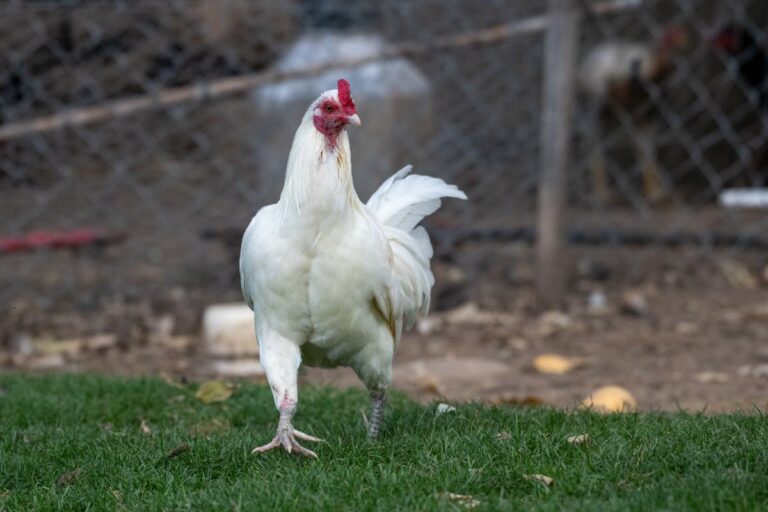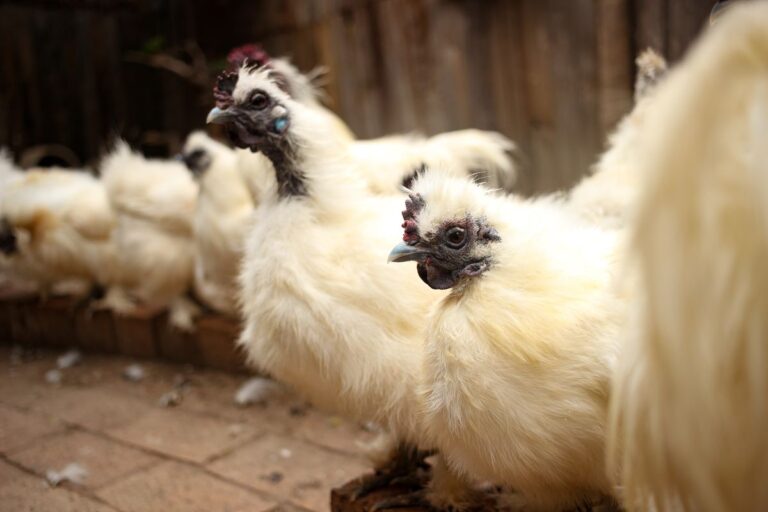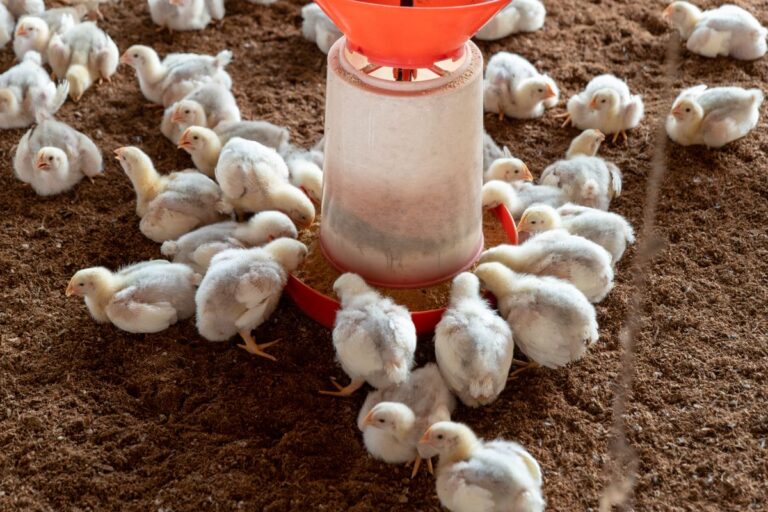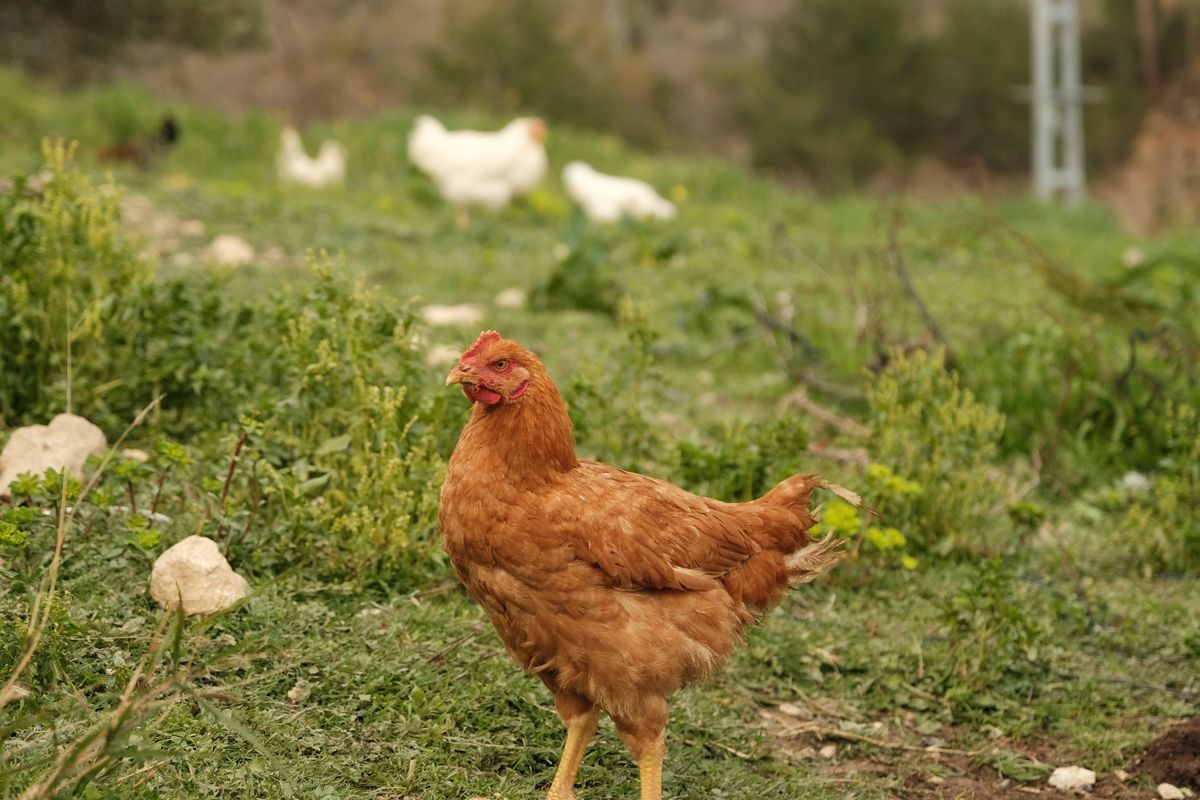
Backyard chickens are more popular than ever. They provide fresh eggs, eat garden pests, produce compost and have big personalities. But they’re also a real commitment that can last 8 to 10 years or more. Here’s what to know before you start a backyard chicken flock.
Quick Answer: Before getting chickens, check local laws, plan for at least 3 to 4 square feet per bird inside the coop and 8 to 10 square feet per bird in the run, budget for feed and supplies, and find a vet who treats poultry. Start with 3 to 6 hens, since chickens are social and need company.
Step 1: Check the Rules
- City or county ordinances: Many areas limit flock size, ban roosters or require permits.
- HOA rules: Some neighborhoods prohibit poultry.
- Setback rules: How far coops must be from property lines or homes.
- Neighbors: A quick conversation (and the occasional dozen eggs) goes a long way.
Step 2: Decide How Many Chickens
Chickens are flock animals and shouldn’t live alone. A good starter flock is 3 to 6 hens. A healthy laying hen of a productive breed may lay around 4 to 6 eggs a week in her prime.
Step 3: Plan the Coop and Run
| Space | Recommendation per standard-size bird |
|---|---|
| Coop floor | About 3–4 sq ft (0.3–0.4 m²) |
| Outdoor run | About 8–10 sq ft (0.7–0.9 m²) |
| Roost space | About 8–12 in (20–30 cm) of perch |
| Nest boxes | 1 box per 3–4 hens |
Bantams need less space; large breeds need more. See our full guide to chicken coop essentials.
Step 4: Choose Your Breeds
Look for breeds known for calm temperament, hardiness and good laying. See best chicken breeds for beginners.
Step 5: Chicks or Adult Hens?
| Option | Pros | Cons |
|---|---|---|
| Day-old chicks | Bond with people; lower cost | Need a brooder and heat; 5–6 months until eggs |
| Pullets (young hens) | Laying soon | Higher cost |
| Adult hens | Eggs right away | May have unknown health history |
Step 6: Feed and Water
- Chicks: chick starter feed
- Laying hens: complete layer feed with 16–18% protein
- Calcium: crushed oyster shell in a separate dish
- Grit: if hens eat foods other than complete feed
- Water: clean water at all times
See what to feed backyard chickens.
Step 7: Daily and Weekly Care
| Frequency | Tasks |
|---|---|
| Daily | Feed, water, collect eggs, check birds, close coop at night |
| Weekly | Clean droppings, refresh bedding, check for parasites |
| Monthly | Deep clean as needed, check coop repairs |
| Seasonally | Prepare for heat or cold |
Step 8: Plan for Health Care
- Find a vet who treats poultry before you need one.
- Learn the signs of a sick chicken.
- Check regularly for mites and lice.
- Quarantine new birds for at least 30 days.
The Merck Veterinary Manual emphasizes biosecurity and good management as the foundation of backyard poultry health.
Biosecurity Basics
- Wash hands after handling chickens or eggs.
- Use dedicated shoes or boot covers for the coop.
- Keep wild birds away from feed and water.
- Don’t share equipment with other flocks.
- Report sudden deaths of many birds to your vet or state agriculture department, as avian influenza is a concern.
Salmonella Safety
Chickens, especially chicks, can carry Salmonella. Don’t kiss or snuggle birds, wash hands thoroughly and supervise children.
Costs to Expect
Initial costs include the coop, run, feeders, waterers and birds. Ongoing costs include feed, bedding, supplements and vet care.
Frequently Asked Questions
Do I need a rooster for eggs?
No. Hens lay eggs without a rooster. You only need a rooster for fertile eggs.
How long do chickens live?
Often 6 to 10 years, though laying slows after 2 to 3 years.
Do chickens smell?
A clean, well-ventilated coop shouldn’t smell bad.
Can chickens free-range?
Supervised free-ranging is enjoyable for chickens, but predators are a risk.
Are chickens noisy?
Hens make some noise, especially the “egg song” after laying. Roosters are much louder.
Can chickens live with dogs and cats?
Some can, with careful training and supervision. Many dogs instinctively chase poultry.
What do I do with chickens that stop laying?
Many owners keep older hens as pets. They still eat pests and produce compost.
How much time do chickens take each day?
Most small flocks need about 15 to 30 minutes a day for feeding, watering, egg collection and a quick health check, plus extra time for weekly cleaning.
What do I do with chickens when I travel?
Ask a neighbor or pet sitter to feed, water, collect eggs and close the coop at night. Automatic doors and large waterers help but don’t replace daily checks.
Can I keep chickens in a small backyard?
Yes, if local rules allow and you can give them enough coop and run space. A few bantams can suit smaller yards.
This article is for general information only and isn’t a substitute for professional veterinary advice. If you’re worried about your pet’s health, contact your veterinarian or an emergency animal hospital.