Chickens are prey animals, so they hide illness well. By the time a hen looks obviously sick, she may be quite unwell. Knowing the early signs of a sick chicken helps you act quickly and protect the rest of your flock. Here’s what to watch for and the most common poultry illnesses.
Quick Answer: Signs of illness include a hunched posture, fluffed feathers, a pale or shriveled comb, lethargy, isolation from the flock, not eating or drinking, abnormal droppings, breathing noises and a drop in egg laying. Separate a sick chicken, keep her warm and quiet, and call a vet who treats poultry.
Know What’s Normal
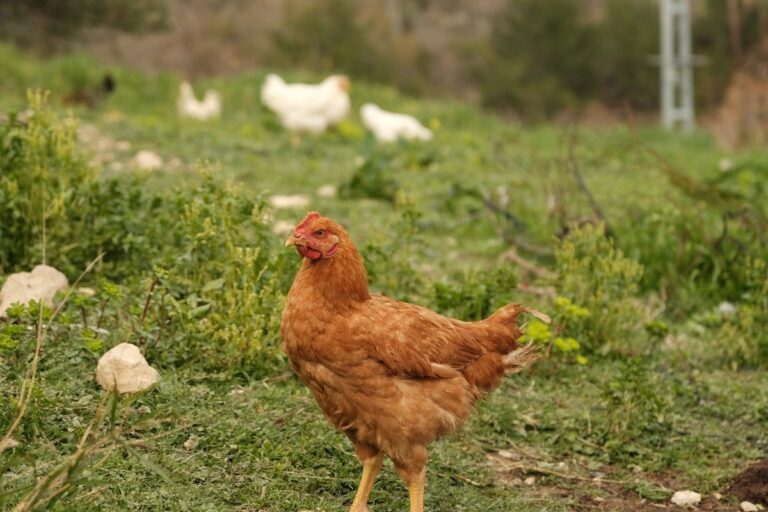
Spend a few minutes watching your flock daily. A healthy chicken:
- Is alert, active and curious
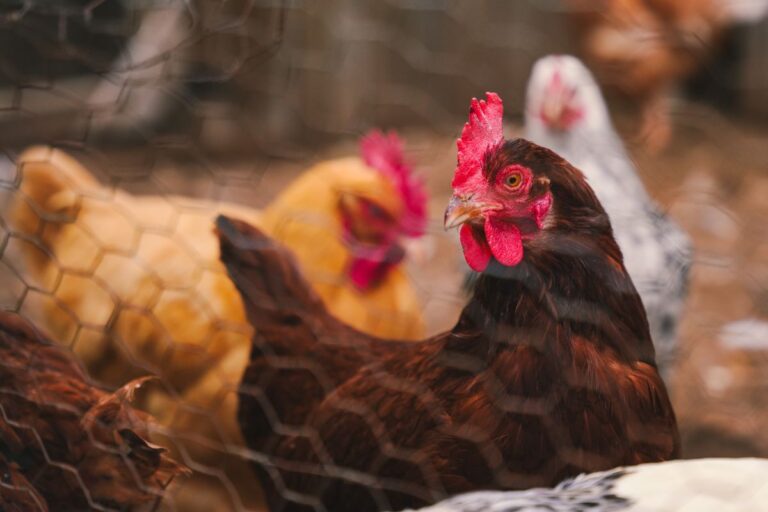
- Has a bright red, plump comb and wattles (in laying hens)
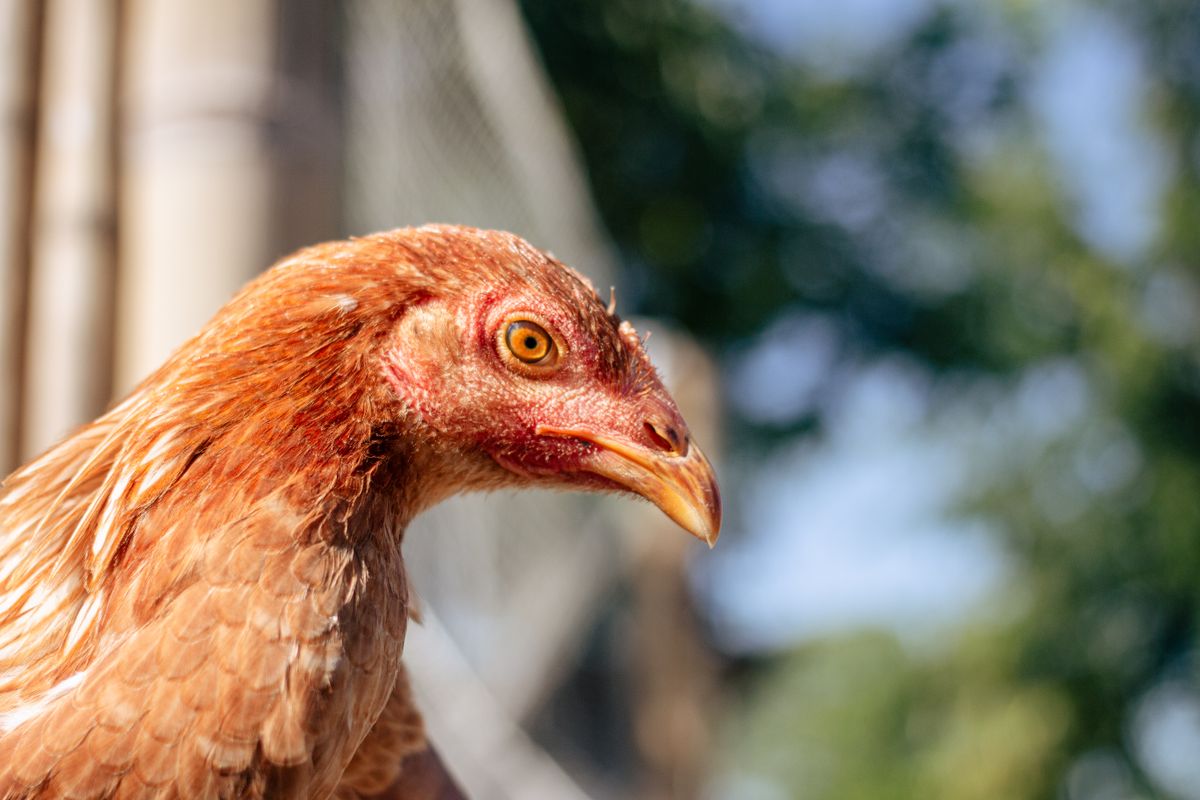
- Has clear, bright eyes
- Has smooth, clean feathers (except during molt)
- Eats, drinks and forages normally
- Has firm droppings, with an occasional softer cecal dropping
Common Signs of Illness
| Sign | What it may mean |
|---|---|
| Hunched posture, fluffed feathers | General illness, pain, cold |
| Lethargy, standing alone | Illness |
| Pale, purple or shriveled comb | Illness, molt, not laying, circulation problems |
| Sneezing, wheezing, gurgling | Respiratory infection |
| Discharge from eyes or nostrils | Respiratory infection |
| Diarrhea or bloody droppings | Infection, parasites, coccidiosis |
| Swollen belly | Egg problems, fluid buildup |
| Limping | Injury, bumblefoot, Marek’s disease |
| Drop in egg laying | Many causes. See why chickens stop laying eggs. |
| Feather loss | Molt, mites, lice, pecking |
The Poultry Extension lists many of these as common signs of illness in poultry.
Common Poultry Illnesses
Respiratory diseases
Conditions such as infectious bronchitis, mycoplasmosis and others cause sneezing, coughing and discharge.
Coccidiosis
A parasitic infection most common in young birds. Signs include bloody or watery droppings, hunching and weakness.
Marek’s disease
A viral disease that can cause paralysis, tumors and gray eyes. Vaccination of chicks helps prevent it.
Egg-related problems
Egg binding and internal laying can cause straining, a swollen belly and a penguin-like stance.
Parasites
External parasites like mites and lice, and internal worms, cause weakness, feather damage and weight loss. See mites and lice in chickens.
Sour crop and impacted crop
The crop should empty overnight. A squishy, smelly or hard crop in the morning can signal a problem.
Avian influenza
A serious, reportable disease. Signs may include sudden deaths, swelling of the head, purple combs and a sharp drop in eggs.
If several birds die suddenly or show severe respiratory signs, contact your vet or state animal health authority right away. Avian influenza must be reported.
What to Do When a Chicken Seems Sick
- Separate her in a quiet, warm, clean area, like a dog crate in a garage.
- Provide food and water within easy reach.
- Check her over: crop, vent, feet, feathers, eyes and nostrils.
- Look for parasites around the vent and under the wings.
- Weigh her if possible.
- Call a vet who treats poultry.
Prevention
- Quarantine new birds for at least 30 days.
- Keep the coop clean and dry. See chicken coop essentials.
- Feed a complete layer feed. See what to feed backyard chickens.
- Vaccinate chicks against Marek’s disease.
- Practice biosecurity.
Frequently Asked Questions
Can I give my chicken antibiotics myself?
Many antibiotics for poultry now require a veterinarian. Some drugs aren’t allowed in laying hens. Always ask a vet.
Can I eat eggs from a sick hen?
It depends on the illness and any medication. Ask your vet about egg withdrawal times.
How do I find a poultry vet?
Ask local avian or farm animal vets, your state extension office or poultry clubs.
Are chicken illnesses contagious to people?
Some, like Salmonella, can spread to people. Wash hands after handling birds.
Why is my chicken’s comb pale?
Pale combs are common during molting or when hens stop laying, but can also signal illness or parasites.
Should I cull a sick chicken?
Not necessarily. Many illnesses are treatable. A vet can help you decide.
How warm should I keep a sick chicken?
A draft-free area at normal indoor temperature is usually enough. Avoid overheating.
What should a chicken’s droppings look like?
Normal droppings are firm and brown or green with a white cap of urates. A few times a day, chickens pass softer, darker cecal droppings, which are normal.
Why is my chicken sitting in the nest box all day?
She may be broody, but she could also be egg bound or sick. Check her vent and belly, and call a vet if she seems unwell.
How can I tell if a chicken is dehydrated?
Look for a dull or shriveled comb, sunken eyes and lethargy. Make sure water is clean, cool and easy to reach.
This article is for general information only and isn’t a substitute for professional veterinary advice. If you’re worried about your pet’s health, contact your veterinarian or an emergency animal hospital.