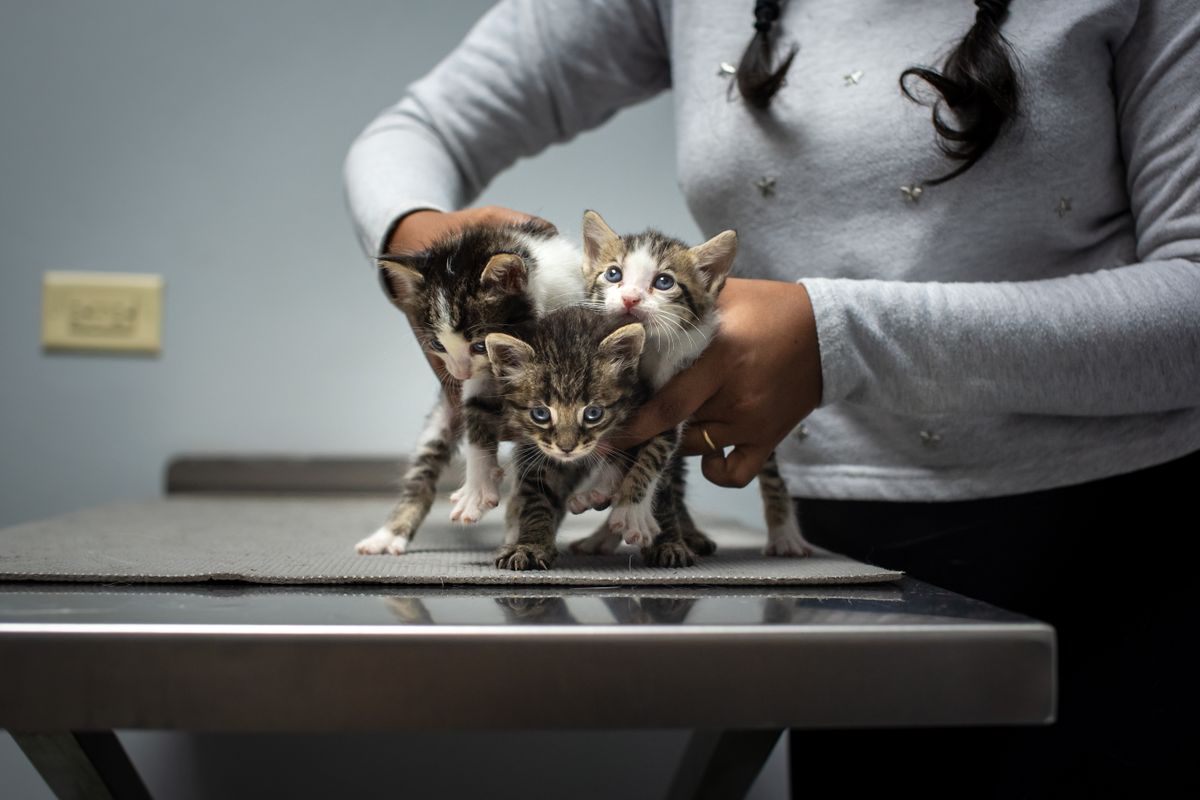
Many cats skip vet visits simply because getting them into a carrier is so stressful. The right carrier, and some training, can make trips much easier. Sleepypod and Catit Cabrio take different approaches. Sleepypod is known for carriers designed and tested with car safety in mind, while the Catit Cabrio is an affordable hard carrier with multiple openings. This review compares them and covers what to look for in any carrier.
Bottom Line: Both carriers can work well. Sleepypod carriers cost more, and some models have been crash-tested and certified by the Center for Pet Safety, which matters if you travel by car often. The Catit Cabrio is affordable, easy to clean and offers a top opening that makes vet visits easier. Choose based on how you travel, your budget and your cat’s size.
At a Glance
| Feature | Details |
|---|---|
| Sleepypod | Several models; some certified by the Center for Pet Safety (check current list) |
| Catit Cabrio | Hard plastic carrier with front and top openings |
| Top access | Helps lift cats in and out gently |
| Car safety | Look for third-party crash test certification |
| Cost | Sleepypod generally higher |
What It Is and How It Works
Cat-friendly vet guidelines, such as those from the American Association of Feline Practitioners, recommend carriers that open from the top or have a removable top half. This lets cats be lifted in gently or examined in the bottom half of the carrier without being pulled out.
Car safety is another consideration. An unsecured carrier can become a projectile in a crash. The Center for Pet Safety, a nonprofit, crash-tests some carriers. Several Sleepypod models have earned its certification. Check the current certified list before buying, since products change.
Size matters too. A carrier should let your cat stand, turn around and lie down, but not be so large that the cat slides around. See kitten care checklist and stress in cats.
Strengths
- Sleepypod: some models certified in crash testing
- Sleepypod: can double as a bed at home
- Catit Cabrio: affordable
- Catit Cabrio: top and front openings
- Both are easy to clean
Limitations
- Sleepypod: higher price
- Sleepypod: some models are heavier
- Catit Cabrio: no crash-test certification
- Catit Cabrio: bulky to store
Carrier Training
Many cats only see the carrier before a vet trip, so they learn to fear it. Training changes that:
- Leave the carrier out in a room your cat uses, with the door open or removed.
- Put a soft blanket and treats inside.
- Feed meals near, then inside, the carrier.
- Close the door briefly while your cat eats, then open it.
- Pick up the carrier for a few seconds, then put it down and reward.
- Take short car rides that end at home with a treat.
Spray the carrier with a feline pheromone product about 15 minutes before travel if your cat responds to it.
Before You Buy
- Measure your cat and check carrier dimensions.
- Look for a top opening or removable top.
- Check crash-test certification if you drive often.
- Choose materials that are easy to clean.
- Plan time for carrier training.
Tips for Using It
- Secure carriers with a seat belt or on the floor behind a seat.
- Cover the carrier with a towel to reduce visual stress.
- Bring a spare puppy pad in case of accidents.
Who It Suits
| Good fit if… | Consider something else if… |
|---|---|
| Sleepypod: you drive often and want crash-tested options | Sleepypod: you’re on a tight budget |
| Catit Cabrio: you want an affordable, top-opening carrier | Catit Cabrio: car crash protection is your top priority |
| Either: your cat dislikes being pulled out of a front door |
Alternatives to Consider
| Option | How it differs |
|---|---|
| Basic hard plastic carriers | Low cost; choose one with a removable top |
| Soft-sided carriers | Light and airline-friendly |
| Backpack carriers | Hands-free, but check ventilation |
When to Call Your Vet
Contact your vet if:
- Your cat pants or drools heavily during travel
- Your cat is injured during transport
- Your cat stays stressed for days after a trip
Frequently Asked Questions
What’s the best type of carrier for a cat?
Many vets suggest a sturdy carrier with a top opening or removable top. This makes it easier to get cats in and out gently.
Why does a top-loading carrier help at the vet?
It lets the vet examine your cat in the bottom half of the carrier, where it feels safer, instead of pulling it out the front.
Are Sleepypod carriers crash tested?
Some Sleepypod models have been certified by the Center for Pet Safety. Check the current certified list for specific models.
What size carrier does my cat need?
Your cat should be able to stand, turn around and lie down comfortably. Larger cats may need bigger models.
How do I get my cat used to its carrier?
Leave it out at home, add bedding and treats, and practice short sessions. Gradual training reduces fear.
How do I clean a cat carrier?
Remove bedding and wash it. Wipe hard surfaces with mild soap and water and let them dry.
Can I use these carriers for air travel?
Airlines have their own size and type rules. Check with your airline before booking.
Should two cats share a carrier?
It’s usually safer and less stressful to use one carrier per cat.
Pet Health Man is independent and isn’t paid by the brands we review. Product formulas, specifications and prices change, so check the current label or the manufacturer’s information before you buy.
This article is for general information only and isn’t a substitute for professional veterinary advice. If you’re worried about your pet’s health, contact your veterinarian or an emergency animal hospital.