If your dog keeps shaking its head, scratching its ears or has a smelly ear, an ear infection is a likely culprit. Ear infections are among the most common reasons dogs visit the vet. They’re very treatable, but they tend to come back unless the underlying cause is managed. Here’s what to know about ear infections in dogs.
Quick Answer: Most ear infections are caused by bacteria and yeast that overgrow because of an underlying problem, most often allergies. Signs include head shaking, scratching, odor, discharge, redness and pain. Your vet will check the ear, look at a sample under the microscope and prescribe ear medication. Treating allergies and keeping ears clean and dry helps prevent repeat infections.
Types of Ear Infections
| Type | Location | Notes |
|---|---|---|
| Otitis externa | Outer ear canal | Most common |
| Otitis media | Middle ear | Often from long-standing outer ear infections |
| Otitis interna | Inner ear | Can cause head tilt and balance problems |
Common Causes
- Allergies (environmental or food), the most common underlying cause
- Moisture from swimming or bathing
- Ear anatomy: floppy ears and narrow or hairy ear canals
- Ear mites, more common in puppies
- Foreign bodies like grass seeds (foxtails)
- Hormonal conditions like hypothyroidism
- Excess wax production
VCA Animal Hospitals notes that allergies are a common reason for repeated ear infections.
Signs of an Ear Infection
- Head shaking
- Scratching at the ear
- Bad odor
- Brown, yellow or bloody discharge
- Red, swollen ear canal
- Pain when the ear is touched
- Rubbing the head on floors or furniture
- Head tilt or loss of balance (deeper infections)
- Ear flap swelling (hematoma) from heavy shaking
How Vets Diagnose Ear Infections
- Otoscope exam to look into the ear canal and check the eardrum
- Ear cytology: a swab is examined under the microscope for yeast and bacteria
- Culture for stubborn or recurring infections
- Sedation for very painful ears or deep cleaning
Treatment
- Ear cleaning at the clinic and at home
- Medicated ear drops or ointments with antibiotics, antifungals and anti-inflammatories
- Long-acting ear gels applied by your vet, for dogs that are hard to medicate
- Oral medications for severe or deep infections
- Pain relief
- Treating allergies to prevent recurrence. See why is my dog itching so much.
Finish the full course of treatment, even if the ear looks better. Your vet may want a recheck.
How to Clean Your Dog’s Ears
- Use a vet-recommended ear cleaner.
- Fill the ear canal with cleaner.
- Massage the base of the ear for 20 to 30 seconds.
- Let your dog shake its head.
- Wipe away debris from the outer ear with cotton balls or gauze.
- Never push cotton swabs deep into the canal.
Ask your vet how often to clean your dog’s ears. Over-cleaning can irritate them.
Preventing Ear Infections
- Dry ears after swimming or bathing.
- Use a drying ear cleaner after water activities if your vet recommends one.
- Manage allergies.
- Check ears weekly for redness, odor or discharge.
- Keep hair around the ear opening trimmed if your groomer or vet advises.
When to Call Your Vet
Book a visit if your dog:
- Is shaking its head or scratching ears
- Has odor or discharge
Seek prompt care if your dog:
- Has a head tilt, circling or balance problems
- Has a swollen ear flap
- Is in severe pain
Frequently Asked Questions
Can I treat my dog’s ear infection at home?
Home cleaning helps, but most infections need prescription medication. Using the wrong product can damage a ruptured eardrum.
Why does my dog keep getting ear infections?
Recurring infections usually point to an underlying cause, most often allergies.
Are ear infections contagious?
Bacterial and yeast infections aren’t usually contagious, but ear mites spread between pets.
Can ear infections cause deafness?
Severe, chronic infections can damage the ear and affect hearing.
Which breeds get the most ear infections?
Dogs with floppy, hairy ears like Cocker Spaniels, Basset Hounds and retrievers are commonly affected.
Should I pluck the hair in my dog’s ears?
Only if your vet recommends it. Plucking can irritate some ears.
How long does an ear infection take to heal?
Many improve within 1 to 2 weeks of treatment. Chronic infections can take longer.
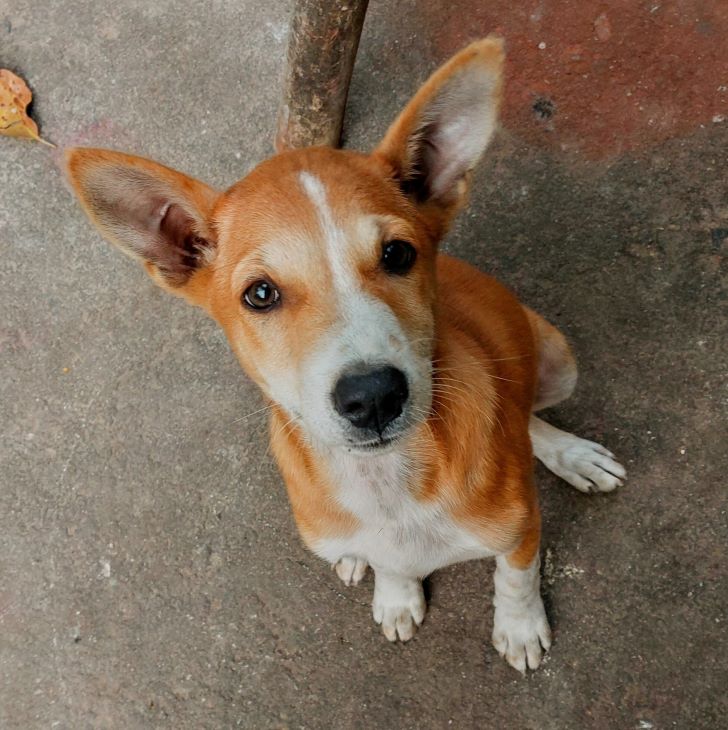
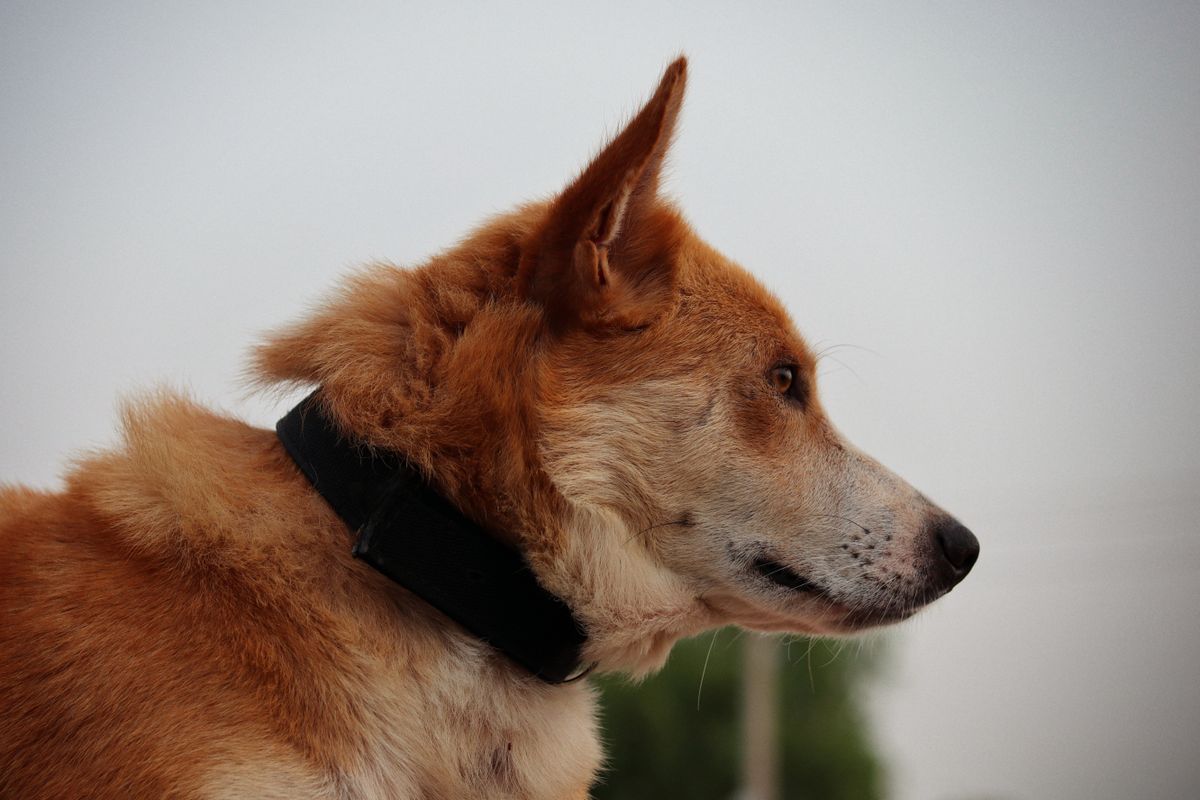
Do dogs with upright ears get ear infections?
Yes, though often less frequently than floppy-eared breeds. Allergies can cause infections in any dog.
Is ear odor always an infection?
Strong, yeasty or foul odor usually means infection. Healthy ears have little smell.
This article is for general information only and isn’t a substitute for professional veterinary advice. If you’re worried about your pet’s health, contact your veterinarian or an emergency animal hospital.