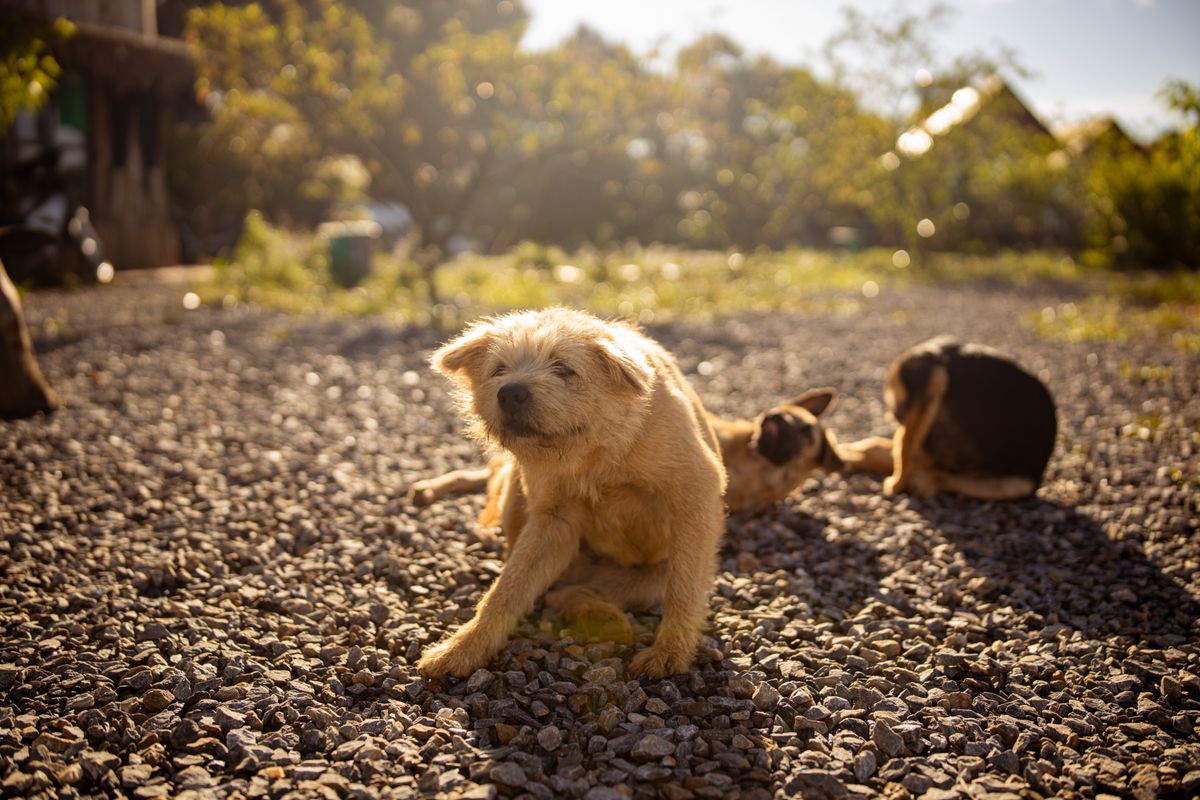
Constant scratching, licking and chewing can make a dog miserable, and keep the whole family up at night. Itching (pruritus) is one of the most common reasons dogs visit the vet. The cause isn’t always obvious, but most itchy dogs can be helped. Here’s why your dog might be itching so much and what to do.
Quick Answer: The most common causes of itching in dogs are fleas, environmental allergies (atopic dermatitis), food allergies and skin infections from bacteria or yeast. Mites, dry skin and contact irritants can also be to blame. Your vet can find the cause with an exam and tests, then treat the itch and any infection.
Common Causes of Itching
| Cause | Clues |
|---|---|
| Fleas and flea allergy | Itching near the tail base and hind legs; flea dirt |
| Environmental allergies | Seasonal or year-round; itching of paws, face, ears, belly |
| Food allergies | Year-round itching, ear infections, sometimes digestive upset |
| Bacterial skin infection | Red bumps, pustules, crusts, circular scaly patches |
| Yeast infection | Greasy skin, musty odor, red or dark skin, itchy paws and ears |
| Mange (mites) | Intense itching, hair loss, crusts |
| Contact irritation | Itching where skin touches carpets, cleaners or plants |
| Dry skin | Flaking, worse in winter |
VCA Animal Hospitals notes that allergies are among the most common causes of itching in dogs.
Pet Health Man has more detail in battling flea allergy dermatitis, common dog food allergies and common environmental allergies.
Signs Your Dog Is Itchy
- Scratching, licking or chewing
- Rubbing the face on furniture or carpet
- Scooting
- Red skin or rash
- Hair loss
- Hot spots (moist, raw patches)
- Darkened, thickened skin with long-term itching
- Ear scratching and head shaking. See ear infections in dogs.
How Vets Find the Cause
- History: when it started, seasons, diet, other pets
- Exam: where the dog is itchy, skin lesions
- Skin scraping: checks for mites
- Cytology: tape or swab samples to look for bacteria and yeast
- Flea check and prevention trial
- Food trial: 8 weeks or more of a prescription hydrolyzed or novel protein diet
- Allergy testing: for environmental allergies, once other causes are ruled out
Treatment Options
- Flea control for all pets in the home, year-round
- Antibiotics or antifungals for infections
- Medicated shampoos and wipes
- Anti-itch medications prescribed by your vet
- Monthly anti-itch injections for allergic dogs
- Allergy immunotherapy (allergy shots or drops) based on testing
- Omega-3 fatty acids to support the skin barrier
- Hypoallergenic diets for food allergies
Home Care Tips
- Keep up with vet-recommended flea prevention.
- Wipe paws after walks during allergy season.
- Bathe with gentle or medicated shampoo as directed.
- Wash bedding weekly in hot water.
- Use a cone or soft collar to stop licking hot spots.
- Don’t switch foods constantly, which makes food trials harder.
When to Call Your Vet
Book a visit if your dog:
- Itches for more than a few days
- Has red skin, hair loss, odor or scabs
- Is shaking the head or scratching ears
Get prompt care if your dog:
- Has a fast-spreading hot spot
- Has facial swelling or hives
- Is itching so badly it can’t sleep
Frequently Asked Questions
Can I give my dog an antihistamine?
Some antihistamines are used in dogs, but they aren’t very effective for many allergic dogs. Ask your vet first about safety and dose.
Is grain-free food better for itchy dogs?
Not necessarily. Most food allergies are to proteins like beef, chicken or dairy, not grains.
How long does a food trial take?
Usually 8 to 12 weeks with no other foods or treats.
Can stress cause itching?
Stress can make itching and licking worse, but there’s usually an underlying cause too.
Are some breeds more prone to allergies?
Yes. Retrievers, terriers, bulldogs, German Shepherds and many others are more likely to develop allergies.
Will my dog outgrow allergies?
Allergies usually persist or change over time. Management keeps most dogs comfortable.
Is coconut oil good for itchy skin?
Evidence is limited. Talk to your vet before using home remedies, especially on broken skin.
Can baths make itching worse?
Frequent bathing with harsh shampoos can dry the skin. Use a gentle or medicated shampoo as directed by your vet.
Why does my dog lick its paws so much?
Paw licking is a common sign of allergies, but it can also signal yeast infections, pain or boredom.
Can itching be a sign of something serious?
Usually itching isn’t life-threatening, but it can lead to painful infections. Some hormonal diseases and skin cancers can also cause skin changes, so persistent problems need a vet.
This article is for general information only and isn’t a substitute for professional veterinary advice. If you’re worried about your pet’s health, contact your veterinarian or an emergency animal hospital.