Weak, cracked or crumbly hooves are a common frustration for horse owners. Hoof supplements are a popular solution. Farrier’s Formula is one of the best-known. This review looks at what’s in it, what research says and how long results take.
The Short Answer: Farrier’s Formula is a well-known hoof supplement with biotin and other nutrients. Some horses with poor hoof quality improve on biotin supplements. Results take many months because hooves grow slowly. Good farrier care and a balanced diet matter just as much.
Key Details
| Feature | Details |
|---|---|
| Type | Hoof supplement |
| Key ingredients | Biotin plus other nutrients (check label) |
| Form | Pellets |
| Versions | Original and double strength |
| Timeline | Months to see full results |
What It Is and How It Works
Farrier’s Formula contains biotin along with other nutrients that support hoof growth.
Research suggests biotin can improve hoof quality in some horses with poor hooves. It doesn’t help every horse. Hoof horn also depends on protein, amino acids such as methionine, and minerals such as zinc and copper. That’s why many hoof supplements, including Farrier’s Formula, combine several nutrients rather than biotin alone.
If your horse’s overall diet is unbalanced, a ration balancer or vitamin and mineral supplement may do as much for hoof quality as a hoof-specific product. Some owners find their horse’s hooves improve once the overall diet is balanced.
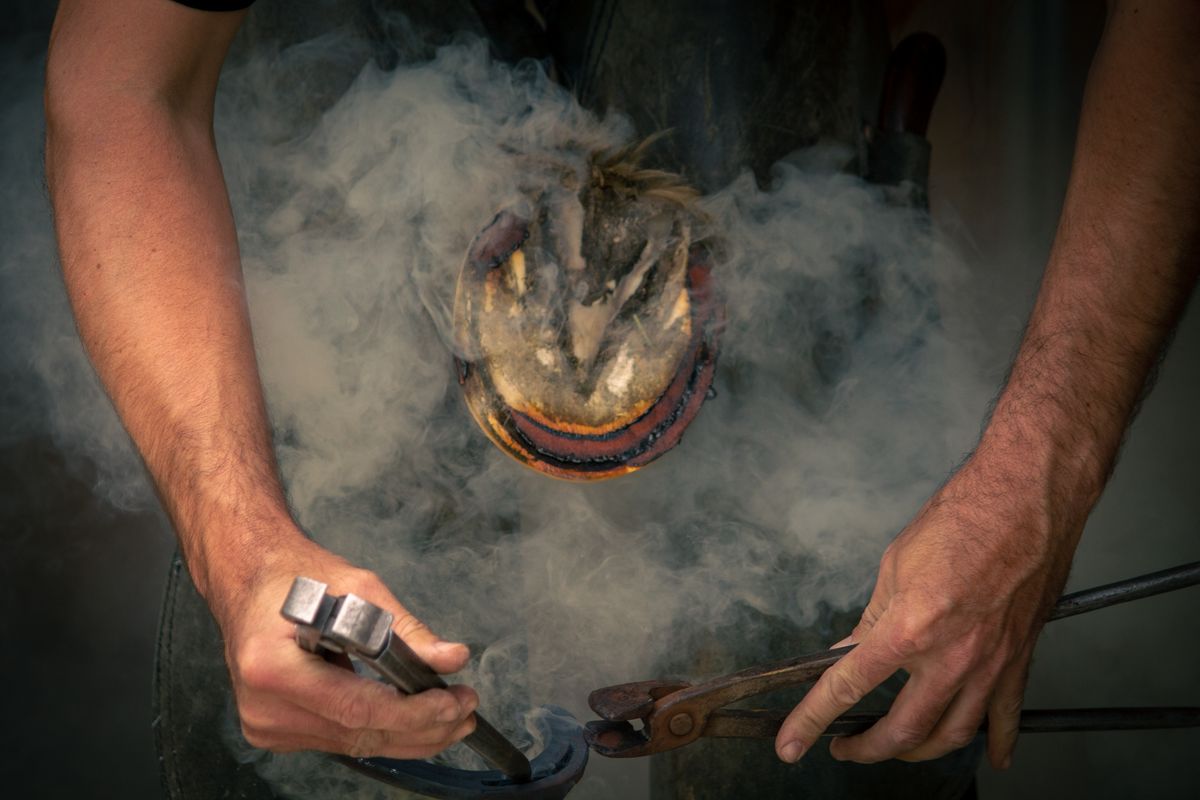
Hooves grow slowly, roughly a quarter to half an inch per month. A full hoof can take about 9 to 12 months to grow out. See hoof care basics.
What We Like
- Well-known brand
- Biotin plus other nutrients
- Pellet form
- Double strength version
- Long track record
Drawbacks
- Results take months
- Doesn’t help every horse
- Cost adds up
- Not a fix for poor farrier care
What Affects Hoof Quality
| Factor | Effect |
|---|---|
| Genetics | Some horses naturally have weaker hooves |
| Nutrition | Deficiencies affect growth and quality |
| Environment | Wet and dry cycles can weaken hooves |
| Farrier care | Regular trims and shoeing matter |
A supplement is only one part.
Things to Consider Before Buying
- Talk to your farrier.
- Check your horse’s diet.
- Plan for long-term use.
- Follow label rates.
- Avoid doubling up on supplements.
Who It Suits
| Good fit if… | Consider something else if… |
|---|---|
| Your horse has poor hoof quality | Your horse’s hooves are healthy |
| You want a well-known supplement | You expect quick results |
Alternatives to Consider
| Option | How it differs |
|---|---|
| Plain biotin supplements | Lower cost |
| Balanced diet with a ration balancer | Covers nutrient gaps |
| Topical hoof products | Support hoof moisture |
When to Call Your Vet
Contact your vet if:
- Your horse is lame
- Your horse has hoof abscesses
- Your horse has laminitis signs
Frequently Asked Questions
Does Farrier’s Formula really work?
Some horses with weak or brittle hooves show better hoof quality on biotin supplements, and research supports a benefit in some horses. Others see little change. Genetics, environment and farrier care all play a part.
How long does Farrier’s Formula take to work?
Improvement appears first at the coronary band and grows down over time. Many owners notice changes within a few months, but a full hoof can take about 9 to 12 months to grow out.
Is biotin alone enough for hoof health?
Not always. Hooves also need protein, zinc, copper and other nutrients. A balanced diet and regular trims are just as important as any supplement.
Can I feed Farrier’s Formula with other supplements?
Yes, but check labels to avoid doubling up on minerals and vitamins. Ask your vet to review your horse’s full diet.
Should I choose Double Strength?
The Double Strength version allows a smaller serving. Which version suits your horse depends on your feeding program and budget. Follow the label.
Can a hoof supplement fix cracked hooves?
It may help new hoof growth be stronger, but existing cracks need to grow out. Your farrier can manage cracks while new hoof grows.
Do I need to keep feeding it long term?
Many owners continue hoof supplements long term because results depend on ongoing nutrition. Talk to your vet and farrier about whether your horse still needs it.
Should I talk to my farrier before starting?
Yes. Your farrier sees your horse’s hooves up close and can tell you whether nutrition, trimming schedule or environment is the bigger issue.
Can wet or muddy conditions undo the benefits of a hoof supplement?
Repeated wet and dry cycles can weaken hoof walls regardless of diet. Managing mud, providing dry standing areas and keeping a regular trim schedule help protect new hoof growth.
Pet Health Man is independent and isn’t paid by the brands we review. Product formulas, specifications and prices change, so check the current label or the manufacturer’s information before you buy.
This article is for general information only and isn’t a substitute for professional veterinary advice. If you’re worried about your pet’s health, contact your veterinarian or an emergency animal hospital.