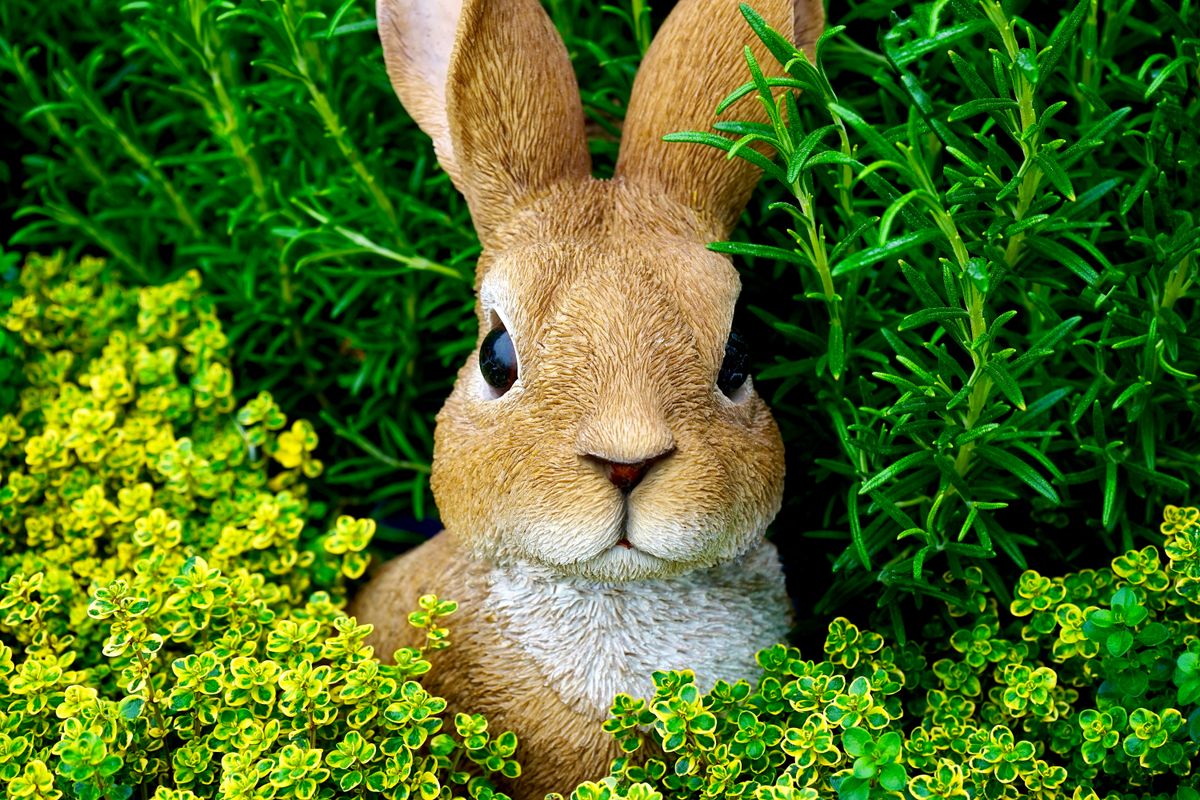
Should your rabbit live inside the house or in an outdoor hutch? For many years, hutches were the norm. Today, many vets and rabbit welfare groups recommend keeping rabbits indoors. Here’s how indoor vs outdoor rabbits compare for health, safety and happiness.
The Short Answer: Indoor rabbits are usually safer and live longer. They’re protected from predators, heatstroke, cold, flystrike and parasites, and they bond more closely with their families. Outdoor rabbits can do well only with a large, secure, predator-proof setup, daily companionship and close health checks.
Indoor vs. Outdoor at a Glance
| Factor | Indoor rabbits | Outdoor rabbits |
|---|---|---|
| Predator risk | Very low | Higher, even if not caught (fear alone can harm) |
| Heat and cold | Controlled | Risk of heatstroke and cold stress |
| Flystrike risk | Low | Higher in warm months |
| Parasites and disease | Lower | Higher exposure to fleas, mites and wild rabbit diseases |
| Social contact with people | More | Often less |
| Early illness detection | Easier | Harder |
| Typical lifespan | Often 8–12 years | Often shorter |
Health Risks for Outdoor Rabbits
Predators
Foxes, raccoons, hawks, dogs and cats can all target rabbits. Even if they can’t get in, the stress of a predator nearby can trigger heart problems or GI stasis.
Heatstroke
Rabbits struggle in heat. Temperatures above about 80°F (27°C) can be dangerous. Signs include fast breathing, drooling, weakness and red ears.
Cold and damp
Rabbits handle cold better than heat, but wet, drafty hutches can cause respiratory illness and arthritis pain.
Flystrike
Flies lay eggs on soiled fur, and maggots hatch and eat into the skin. It can be fatal within hours. Outdoor rabbits in summer are most at risk.
Infectious diseases
Outdoor rabbits may be exposed to rabbit hemorrhagic disease virus (RHDV2) and myxomatosis, spread by wild rabbits, insects and contaminated objects. Ask your vet about vaccination where it’s available.
Benefits of Keeping Rabbits Indoors
- Closer bond with your rabbit
- Faster recognition of illness
- Safe, stable temperatures
- More time out of the enclosure
- Easier litter training
How to Set Up an Indoor Rabbit Home
- Space: an exercise pen or rabbit-proofed room. A common guide is at least 4 x 2 feet of enclosure plus several hours of exercise space daily.
- Litter box with hay.
- Hides like cardboard boxes or tunnels.
- Chew toys to protect furniture.
- Rabbit-proofing: cover cords, block gaps behind furniture, and remove toxic plants.
Making an Outdoor Setup Safer
If your rabbit lives outside:
- Use a large, sturdy hutch attached to a secure run with a mesh floor or buried mesh to stop digging predators.
- Use strong welded mesh, not chicken wire.
- Lock all doors with predator-proof latches.
- Place the setup in shade, sheltered from wind and rain.
- Provide insulation and extra bedding in winter.
- Check your rabbit’s back end twice daily in warm weather for flystrike.
- Keep rabbits in bonded pairs for company.
- Bring rabbits indoors during extreme heat or cold.
Diet and Exercise Either Way
Indoor or outdoor, rabbits need unlimited hay, fresh greens and space to run. See our ideal rabbit diet guide.
Supervised Outdoor Time for Indoor Rabbits
Indoor rabbits can enjoy time outside in a secure pen, supervised, on mild days. Make sure:
- The lawn hasn’t been treated with chemicals.
- There’s shade and water.
- The pen is covered against birds of prey.
- You stay nearby.
When to Call Your Vet
Get emergency care now if your rabbit:
- Has maggots or a strong smell around the tail
- Is panting, drooling or limp in hot weather
- Has stopped eating or pooping
Book a vet visit if your rabbit:
- Has scratching, flaky skin or hair loss
- Needs vaccines recommended in your area
Frequently Asked Questions
Can indoor rabbits get sick?
Yes, but many risks are lower. Indoor rabbits still need checkups, nail trims and dental care.
Do indoor rabbits smell?
Not if they’re litter trained and the box is cleaned regularly. Rabbits groom themselves and are naturally clean.
Can rabbits live with cats or dogs?
Some can, with careful introductions and supervision. Never leave a rabbit alone with a dog or cat.
How cold is too cold for an outdoor rabbit?
Healthy adult rabbits tolerate cool weather better than heat, but wind, rain and damp bedding are dangerous. Bring rabbits indoors or into a sheltered building when temperatures drop below freezing, and always for young, old or sick rabbits.
Do outdoor rabbits need more food in winter?
They may need a little more hay to stay warm. Unlimited hay is always the right base, and water must be checked often so it doesn’t freeze.
Can I move an outdoor rabbit indoors?
Yes. Set up a pen in a quiet room, keep the same foods and give your rabbit a week or two to adjust to new sounds and smells.
This article is for general information only and isn’t a substitute for professional veterinary advice. If you’re worried about your pet’s health, contact your veterinarian or an emergency animal hospital.