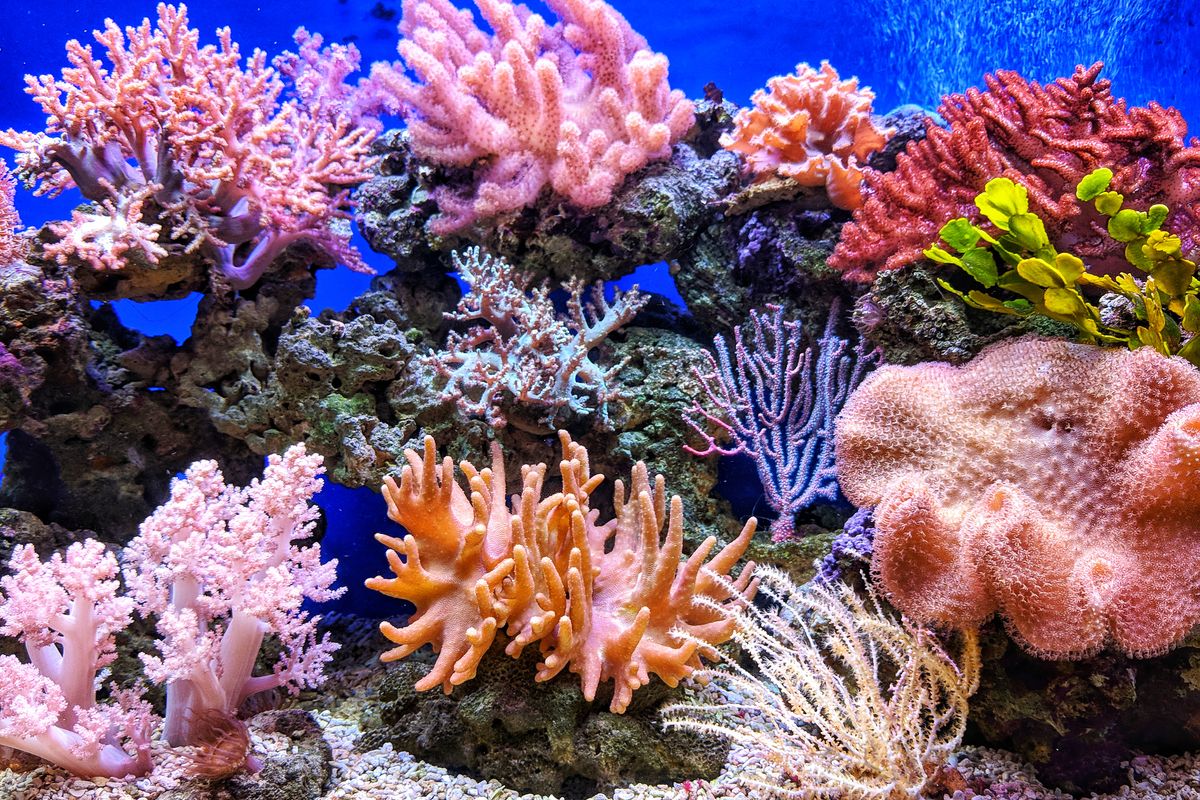
Instant Ocean is one of the most recognizable names in saltwater aquariums. Its Reef Crystals mix is designed for reef tanks with corals and invertebrates. This review looks at how it differs from regular Instant Ocean, what it offers and what to consider.
Verdict at a Glance: Instant Ocean Reef Crystals is a widely available, affordable reef salt with elevated calcium and other additions compared with the brand’s standard salt. It’s a practical choice for many reef tanks. Some reefers report batch-to-batch variation, so testing new batches is wise.
At a Glance
| Feature | Details |
|---|---|
| Type | Reef salt mix |
| Target | Reef tanks with corals and invertebrates |
| Parameters | Elevated calcium and other additions compared with standard Instant Ocean (check current label) |
| Sizes | Bags and buckets of various sizes |
| Related products | Instant Ocean Sea Salt for fish-only tanks |
What It Is and How It Works
Reef Crystals is formulated with additions aimed at corals and invertebrates, including higher calcium than standard Instant Ocean. It’s sold in most aquarium stores, which makes it easy to keep in stock.
Regular Instant Ocean Sea Salt is often used for fish-only tanks. Reef Crystals is generally chosen for reef tanks.
Testing a fresh batch helps you understand what each water change adds. See saltwater tank water parameters and saltwater aquarium maintenance schedule.
Pros and Cons
| Pros | Cons |
|---|---|
| Widely available | Some reports of batch variation |
| Affordable | May need extra dosing for heavy coral growth |
| Elevated calcium for reef tanks | Can cloud if mixed too quickly |
| Many package sizes | Not the highest-end option |
| Long track record |
Mixing Saltwater Correctly
However good the salt, how you mix it affects the result:
- Use purified water, usually RO/DI (reverse osmosis and deionization), to avoid adding nitrate, phosphate, silicate or metals from tap water.
- Add salt to water, not water to salt, while a pump or powerhead circulates the water.
- Heat the water to tank temperature.
- Let it mix for the time recommended on the label before checking salinity.
- Measure salinity with a calibrated refractometer or digital meter and adjust to your target, commonly around 35 ppt (a specific gravity of about 1.025 to 1.026).
Mix in a clean, dedicated container. Avoid buckets that have held soap or chemicals. See saltwater tank water parameters for target ranges.
Things to Consider Before Buying
- Test new batches.
- Use RO/DI water.
- Mix slowly with heat and circulation.
- Store opened salt sealed.
- Switch salts gradually.
Tips for Using It
- Buy larger buckets to reduce batch changes.
- Record batch numbers.
- Test alkalinity and calcium in new saltwater.
Who It Suits
| Good fit if… | Consider something else if… |
|---|---|
| You want an affordable, widely available reef salt | You need consistent elevated alkalinity for heavy stony coral growth |
| You keep a mixed reef |
Alternatives to Consider
| Option | How it differs |
|---|---|
| Red Sea Coral Pro | Higher alkalinity |
| Instant Ocean Sea Salt | Fish-only tanks |
| Fritz RPM | Alternative reef salt |
When to Call Your Vet
Contact your vet if:
- Fish gasp or act stressed after a water change
- Corals close up after switching salts
- Several fish show illness at once
Frequently Asked Questions
What’s the difference between Reef Crystals and regular Instant Ocean?
Reef Crystals includes additions such as higher calcium for reef tanks. Regular Instant Ocean is often used for fish-only setups.
Is Reef Crystals good for beginners?
Yes. It’s affordable and widely available, which makes it a common choice for new reef keepers.
How long should I mix Reef Crystals?
Follow the label. Many reefers mix for several hours or overnight with heat and circulation.
Why is my new saltwater cloudy?
Cloudiness can happen if salt is mixed too fast or too warm. It usually clears with continued mixing.
Do I need to test new batches?
Testing a new batch helps you know what you’re adding. Some reefers report differences between batches.
Can I use Reef Crystals for a fish-only tank?
Yes, though many fish-only keepers use the standard version to save money.
What salinity should I aim for?
Many reefers target about 35 ppt. Use a calibrated refractometer.
How should I store opened salt?
Sealed in a dry place.
Is Reef Crystals enough for a heavy stony coral tank?
Tanks with lots of fast-growing stony corals often use more calcium and alkalinity than water changes can replace. Many reefers dose supplements alongside regular water changes, guided by testing.
Pet Health Man is independent and isn’t paid by the brands we review. Product formulas, specifications and prices change, so check the current label or the manufacturer’s information before you buy.
This article is for general information only and isn’t a substitute for professional veterinary advice. If you’re worried about your pet’s health, contact your veterinarian or an emergency animal hospital.