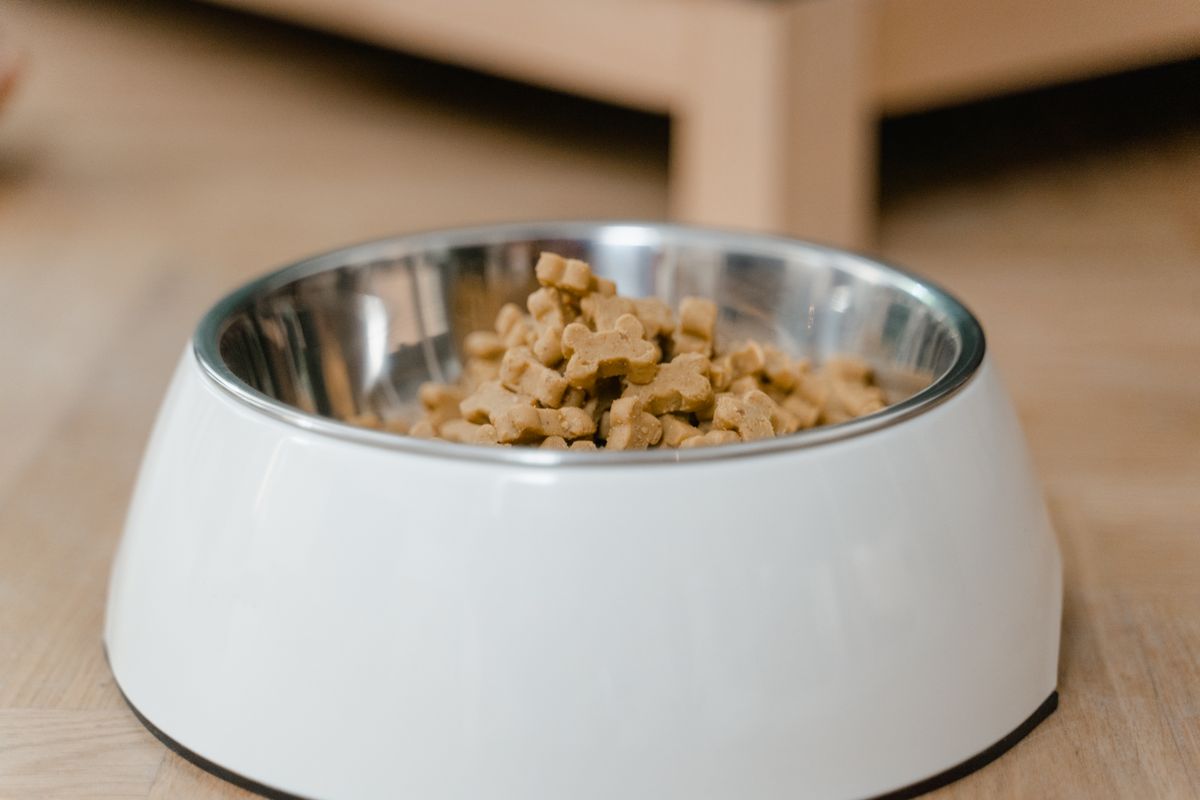
Some dogs finish their meals in seconds. Fast eating can lead to gulping air, vomiting and choking, and it may be one of several risk factors for bloat in some dogs. Slow feeder bowls make dogs work around ridges and mazes to eat. The Outward Hound Fun Feeder is one of the most popular. This review looks at how it works, what it can and can’t do, and what to consider.
Bottom Line: The Outward Hound Fun Feeder is an affordable slow feeder that can greatly increase how long a dog takes to eat. Many owners find it reduces gulping and vomiting after meals. It isn’t proven to prevent bloat, and determined chewers may damage it, so supervise use and choose a pattern that challenges your dog without frustrating it.
At a Glance
| Feature | Details |
|---|---|
| Type | Slow feeder bowl |
| Material | Food-safe plastic (check current listing) |
| Patterns | Several maze designs and difficulty levels |
| Sizes | Small to large |
| Cleaning | Top-rack dishwasher safe, per the maker |
What It Is and How It Works
The bowl has raised ridges in a maze pattern. Dogs have to nudge and lick food out of the gaps, which slows eating. Many owners report meals taking several times longer.
Bloat, or gastric dilatation-volvulus (GDV), is a life-threatening emergency most common in large, deep-chested dogs. Research has linked fast eating to bloat risk, along with factors like breed, age, family history and feeding one large meal a day. However, there isn’t strong evidence that slow feeders themselves prevent bloat. See bloat in dogs signs.
Slow feeders also add a bit of mental work to mealtime, which some dogs enjoy.
Strengths
- Slows eating for many dogs
- Affordable
- Several patterns and sizes
- Works with dry and wet food
- Easy to clean
Limitations
- Not proven to prevent bloat
- Strong chewers may damage plastic
- Some dogs get frustrated
- Wet food can be harder to clean from ridges
Why Food Toys Help
Dogs evolved to spend much of their day finding and working for food. Food toys and puzzle feeders give that instinct an outlet:
| Benefit | Why it matters |
|---|---|
| Mental stimulation | Can tire dogs out as much as a walk |
| Slower eating | May reduce gulping and stomach upset |
| Calmer alone time | Useful for dogs that struggle when left |
| Less boredom chewing | Gives dogs something appropriate to work on |
Count food in toys toward your dog’s daily calories. Rotate toys to keep them interesting, and always supervise new toys until you know how your dog uses them. See separation anxiety in dogs and exercise needs by dog breed.
Before You Buy
- Choose a size suited to your dog’s muzzle.
- Start with an easier pattern.
- Supervise dogs that chew bowls.
- Clean after each meal.
- Talk to your vet about bloat risk in deep-chested breeds.
Tips for Using It
- Spread food evenly so it doesn’t sit in one area.
- Place a non-slip mat under the bowl.
- Replace the bowl if it’s chewed or cracked.
Who It Suits
| Good fit if… | Consider something else if… |
|---|---|
| Your dog eats very fast | Your dog chews and destroys plastic bowls |
| Your dog vomits after eating quickly | Your dog becomes very frustrated with puzzles |
| You want simple mealtime enrichment |
Alternatives to Consider
| Option | How it differs |
|---|---|
| Puzzle feeders | More challenge |
| Snuffle mats | Foraging with the nose |
| Scatter feeding | Free and simple |
When to Call Your Vet
Contact your vet if:
- Your dog has a swollen belly, retches without vomiting or seems restless (possible bloat emergency)
- Your dog vomits regularly after meals
- Your dog loses weight
Frequently Asked Questions
Does a slow feeder prevent bloat?
There isn’t strong evidence that slow feeders prevent bloat. Fast eating is one of several risk factors. Ask your vet about your dog’s risk and prevention options.
Can I use wet food in the Fun Feeder?
Yes. Wet food may take longer to clean out of the ridges.
How do I clean the Fun Feeder?
The maker says it can go on the top rack of the dishwasher. A brush helps clean between ridges.
Which pattern should I choose?
Start with an easier pattern and move to harder ones once your dog gets the idea.
What if my dog chews the bowl?
Supervise meals and replace damaged bowls. Some dogs do better with stainless steel slow feeders.
Can cats use the Fun Feeder?
Smaller sizes may work for cats. Choose a shallow pattern.
How long should a meal take with a slow feeder?
It varies. Many dogs take several minutes instead of seconds.
What if my dog gets frustrated?
Try an easier pattern or mix some food on top to build confidence.
Pet Health Man is independent and isn’t paid by the brands we review. Product formulas, specifications and prices change, so check the current label or the manufacturer’s information before you buy.
This article is for general information only and isn’t a substitute for professional veterinary advice. If you’re worried about your pet’s health, contact your veterinarian or an emergency animal hospital.