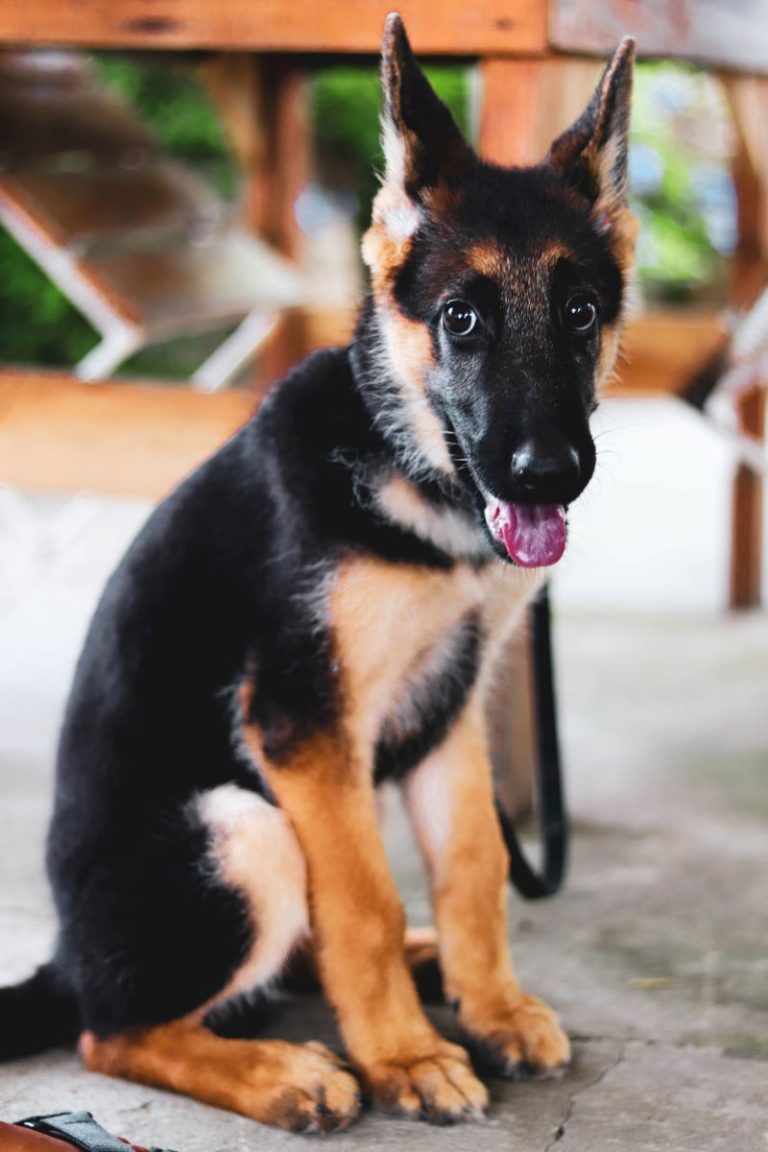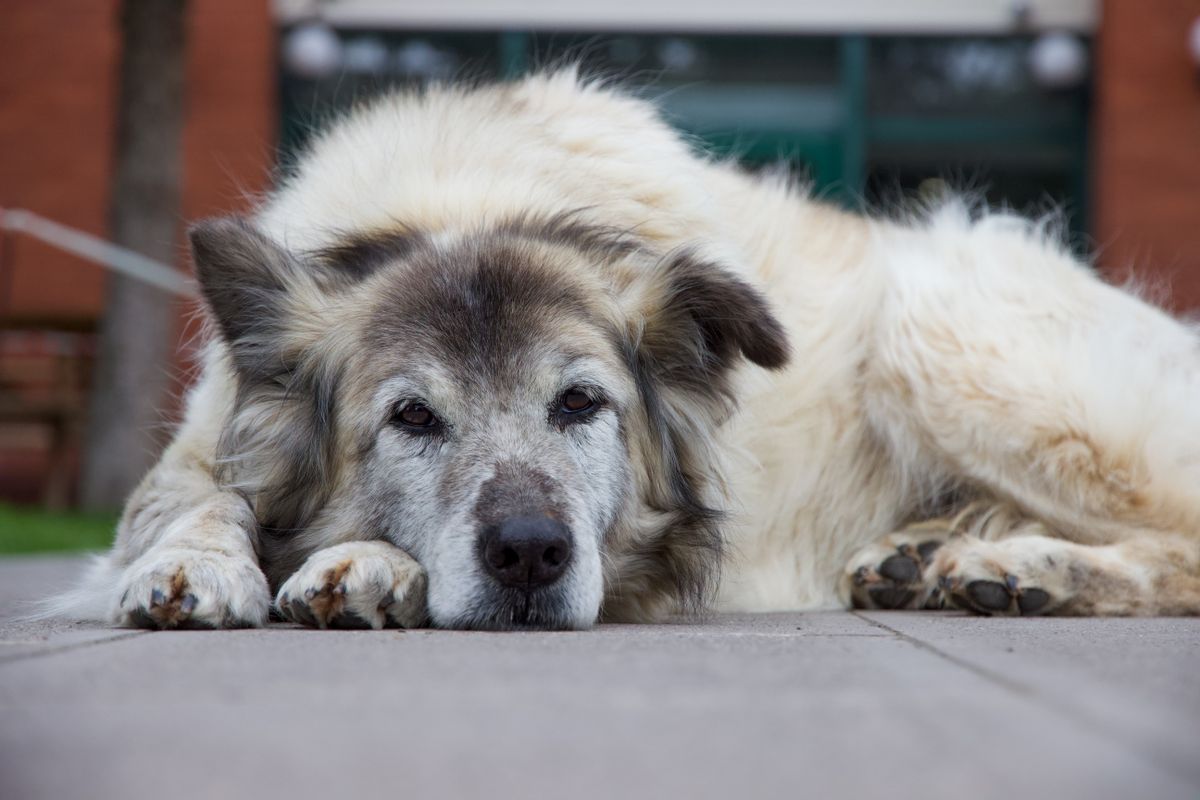
Our dogs age faster than we do. Depending on size, dogs may be considered senior from around 7 to 10 years old. Older dogs bring wisdom and calm, but also new health needs. Here’s how to care for a senior dog and spot age-related health changes early.
Quick Answer: Senior dogs benefit from vet checkups every 6 months, bloodwork and urine screening, weight management, joint care, dental care and gentle, regular exercise. Watch for changes in appetite, thirst, mobility, sleep, behavior and lumps, and talk to your vet about anything new.
When Is a Dog a Senior?
| Size | Approximate senior age |
|---|---|
| Small breeds | 10–12 years |
| Medium breeds | 8–10 years |
| Large breeds | 7–8 years |
| Giant breeds | 5–6 years |
Common Health Changes
| Condition | Signs |
|---|---|
| Arthritis | Stiffness, slowing down. See arthritis in dogs. |
| Dental disease | Bad breath, tartar. See dog dental care. |
| Kidney disease | Increased thirst and urination, weight loss |
| Heart disease | Coughing, tiring easily, fast breathing |
| Cancer | Lumps, weight loss, lethargy |
| Hormonal disease | Hypothyroidism, Cushing’s disease, diabetes |
| Vision and hearing loss | Bumping into things, not responding |
| Cognitive dysfunction | Confusion, night waking, house soiling |
The AVMA recommends regular veterinary care for older pets to detect problems early.
Vet Visits for Senior Dogs
Twice-yearly visits may include:
- Weight and body condition
- Bloodwork and urinalysis
- Blood pressure
- Dental exam
- Joint and mobility assessment
- Lump checks
- Vaccine and parasite prevention review. See heartworm prevention for dogs.
Diet and Weight
- Many senior dogs need fewer calories.
- Some lose weight and muscle and need more protein.
- Senior diets vary widely, so ask your vet which is best.
- Keep your dog lean to protect joints. See is your dog overweight.
Exercise
Older dogs still need daily activity:
- Shorter, more frequent walks
- Swimming for low-impact exercise
- Sniffing games and gentle play
- Avoid extremes of heat and cold
See exercise needs by dog breed.
Home Comfort
- Orthopedic beds
- Rugs on slippery floors
- Ramps or steps for cars and furniture
- Night lights for dogs with poor vision
- Easy access to water and outdoor potty areas
- Keep nails trimmed. See tips for trimming a dog’s nails.
Mental Stimulation
Keep your senior dog’s brain active with:
- Puzzle feeders
- New tricks and short training sessions
- Scent games
- Gentle social time
Cognitive Dysfunction
Signs of canine cognitive dysfunction include:
- Getting lost in familiar places
- Staring at walls
- Changes in sleep, like pacing at night
- House soiling
- Less interest in family
Talk to your vet. Diet, enrichment and medications may help.
Monitoring at Home
| What to watch | Why |
|---|---|
| Weight | Changes can signal disease |
| Water intake | Kidney disease, diabetes, Cushing’s |
| Appetite | Dental pain, illness |
| Mobility | Arthritis |
| Lumps | Check monthly |
| Breathing | Heart or lung disease |
Quality of Life
As dogs age, talk with your vet about quality of life, including pain, mobility, appetite and enjoyment of daily activities.
When to Call Your Vet
Call your vet if your senior dog:
- Drinks or urinates more
- Loses weight or appetite
- Has a new lump or a growing one
- Coughs or breathes fast at rest
- Seems confused
- Has trouble getting up
Senior Dog Care Checklist
- Twice-yearly vet visits with bloodwork
- Monthly weigh-ins and lump checks
- Daily gentle exercise
- Dental care at home
- Orthopedic bedding and non-slip floors
- Puzzle toys and short training sessions
- Nail trims every few weeks
- A plan for quality-of-life conversations with your vet
Frequently Asked Questions
Should senior dogs still get vaccines?
Most still need some vaccines. Your vet will tailor the plan.
Do older dogs need special food?
Not always. Your vet can recommend a diet based on health and weight.
How much should a senior dog sleep?
Senior dogs often sleep more, but sudden changes should be checked.
Are lumps in older dogs always cancer?
No. Many are benign fatty tumors, but all new lumps should be checked.
Is it okay for my senior dog to climb stairs?
If your dog is comfortable, yes. Use gates or ramps if stairs become difficult.
Can old dogs learn new tricks?
Yes. Short, positive training sessions keep older dogs engaged.
How can I tell if my old dog is in pain?
Look for restlessness, panting, reluctance to move, limping or changes in mood.
Should I change my senior dog’s walk schedule?
Many older dogs do better with two or three shorter walks than one long one. Watch your dog’s energy and adjust.
Do senior dogs need more water?
Needs vary, but a sudden increase in thirst should be checked, as it can signal kidney disease, diabetes or Cushing’s disease.
This article is for general information only and isn’t a substitute for professional veterinary advice. If you’re worried about your pet’s health, contact your veterinarian or an emergency animal hospital.