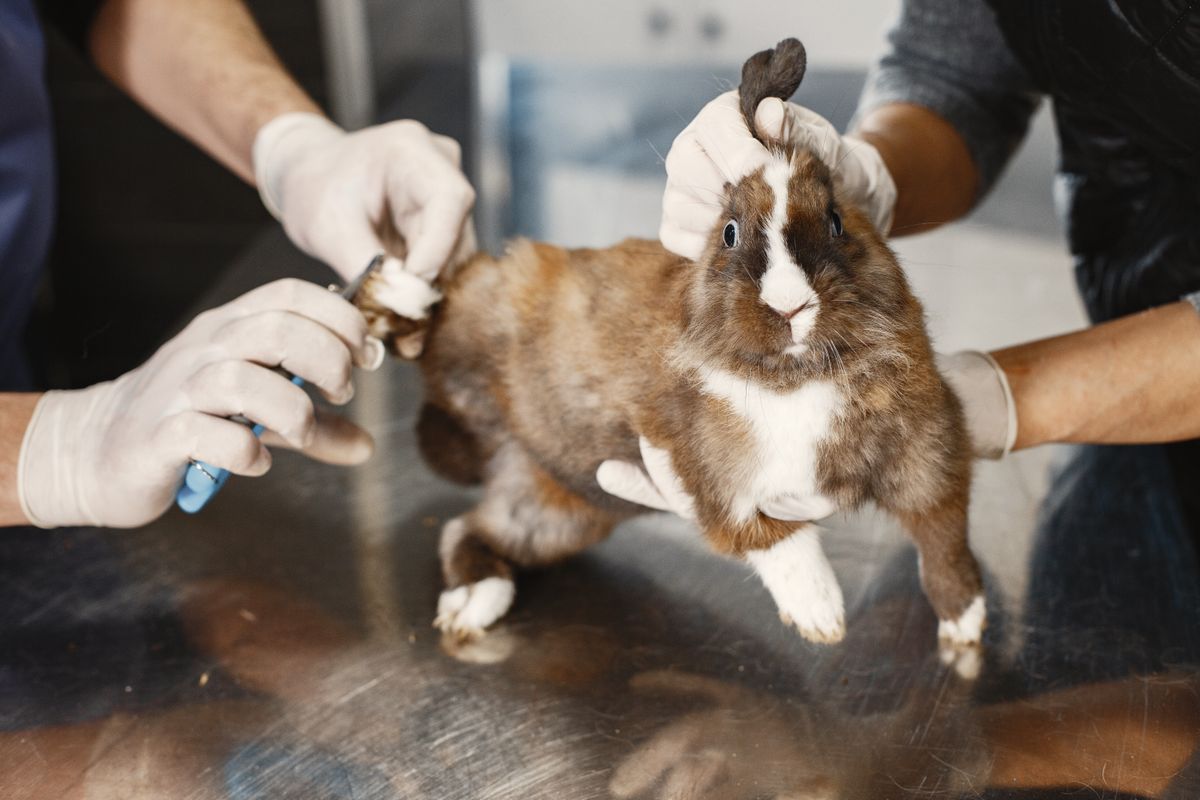
Many new rabbit owners wonder whether surgery is really necessary. Most rabbit vets and welfare groups say yes. Choosing to spay or neuter your rabbit can prevent cancer, reduce aggression and make litter training easier. Here’s what to know about benefits, risks and timing.
Bottom Line: Spaying female rabbits greatly lowers the risk of uterine cancer, which is very common in unspayed does. Neutering males reduces spraying, mounting and fighting. With an experienced rabbit vet, the procedure is routine. Most rabbits are fixed between about 4 and 6 months of age.
Health Benefits
Females (spay)
Uterine adenocarcinoma, a cancer of the uterus, is one of the most common cancers in unspayed female rabbits. Studies have found it in a large share of older intact does, with some research reporting rates above 60% in rabbits over a few years old. Spaying removes the uterus and ovaries, which removes this risk.
Spaying also prevents:
- Pregnancy and false pregnancies
- Uterine infections
- Mammary problems linked to hormones
Males (neuter)
Neutering prevents testicular disease and stops unwanted litters.
Behavior Benefits
Hormones drive many frustrating rabbit behaviors. After surgery, many rabbits show:
- Less urine spraying
- Less territorial droppings, making litter training easier
- Less mounting and circling
- Less aggression, such as lunging, biting and growling
- Easier bonding with another rabbit
Behavior changes aren’t instant. Hormone levels drop over several weeks, and some habits take time to fade.
What Are the Risks?
Any anesthesia carries some risk. In the past, rabbit anesthesia was riskier, but modern drugs, monitoring and rabbit-experienced vets have made it much safer. The House Rabbit Society notes that with an experienced vet the risk is low.
Risks can include:
- Reaction to anesthesia
- Post-surgery GI slowdown if the rabbit doesn’t eat
- Wound infection or the rabbit chewing stitches
You can lower these risks by choosing a vet who regularly operates on rabbits.
Questions to Ask Your Vet
- How many rabbit spays or neuters do you do each month?
- What anesthesia and monitoring do you use?
- Will my rabbit get pain relief before and after surgery?
- Should I bring my rabbit’s own hay and greens?
- Do you recommend pre-surgery bloodwork?
The Best Age to Spay or Neuter
| Rabbit | Typical age |
|---|---|
| Males | When the testicles descend, often around 4–5 months |
| Females | Around 4–6 months |
| Older rabbits | Often still possible after a health check, sometimes up to about 6 years or older |
Your vet will consider size, breed and health.
Before Surgery
Unlike dogs and cats, rabbits should not be fasted before surgery. Rabbits can’t vomit, and an empty gut can lead to GI stasis. Follow your vet’s specific instructions.
Aftercare at Home
- Keep your rabbit in a small, clean, quiet space for the first few days.
- Offer hay, greens and water immediately. Eating soon after surgery is very important.
- Give pain medication exactly as prescribed.
- Check the incision daily for redness, swelling or discharge.
- Use towels or fleece instead of loose bedding for a few days.
- Limit jumping for about a week.
- Keep males separate from females for about 4 to 6 weeks. Males can stay fertile for several weeks after neutering.
When to Call Your Vet
Call right away if after surgery your rabbit:
- Hasn’t eaten within 12 hours of coming home
- Has few or no droppings
- Is hunched, grinding teeth or very quiet
- Has bleeding, an open incision or heavy swelling
These can be signs of pain or GI stasis.
Frequently Asked Questions
Will spaying change my rabbit’s personality?
Your rabbit’s core personality stays the same. Most owners notice a calmer, more affectionate rabbit with fewer hormone-driven habits.
How long is recovery?
Males usually bounce back in a day or two. Females take a little longer, often about a week, because the surgery is more involved.
Is it worth spaying an indoor rabbit that lives alone?
Yes. The cancer risk exists whether or not a female rabbit is ever around a male.
Does spaying or neutering cost a lot?
Prices vary by region and clinic. Spays usually cost more than neuters because the surgery is more complex. Some rabbit rescues and humane societies run lower-cost programs, so it’s worth asking locally.
Can two rabbits be bonded before surgery?
It’s usually best to wait until both are fixed and hormones have settled, about 4 to 6 weeks after surgery. Unfixed rabbits are more likely to fight, and mixed pairs can breed.
Will my rabbit gain weight after being fixed?
Some rabbits become a little less active. Keep pellets measured, offer unlimited hay and give daily exercise time to keep weight steady.
What if my rabbit is too old for surgery?
Your vet can check heart, kidney and liver health first. If surgery isn’t safe, regular checkups help catch problems like uterine changes early.
This article is for general information only and isn’t a substitute for professional veterinary advice. If you’re worried about your pet’s health, contact your veterinarian or an emergency animal hospital.