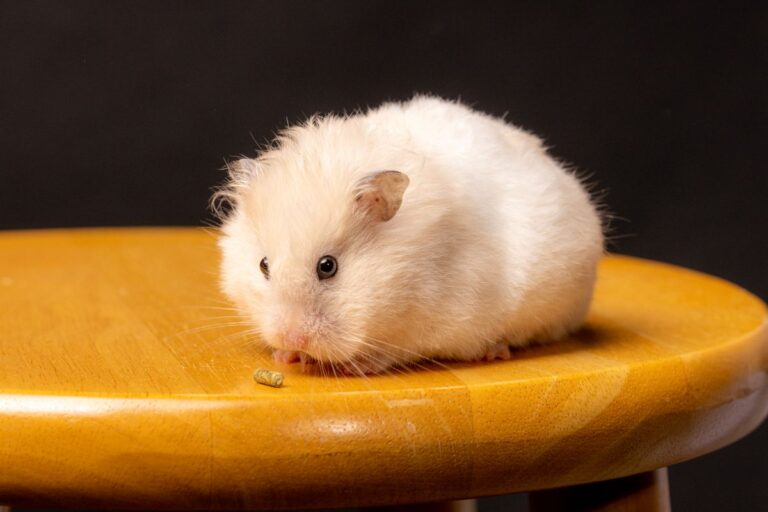
Wet tail is one of the most feared illnesses in pet hamsters, and for good reason. It can turn a lively hamster into a very sick one in a day or two. If you’ve noticed a damp, dirty bottom on your hamster, this guide explains what wet tail in hamsters is, what causes it, and why fast vet care matters.
Quick Answer: Wet tail is severe diarrhea in hamsters, usually linked to a bacterial infection and stress. It mostly affects young hamsters around weaning age. A hamster with wet tail can die within 24 to 72 hours, so see an exotic animal vet the same day you notice signs.
What Is Wet Tail?
“Wet tail” is the common name for proliferative ileitis, an inflammation of part of the small intestine. The bacterium Lawsonia intracellularis is most often involved. Other bacteria, such as E. coli and Clostridium, can cause similar diarrhea, so owners and vets sometimes use “wet tail” loosely for any serious hamster diarrhea.
The Merck Veterinary Manual notes that this disease is most common in young hamsters, especially Syrian hamsters between about 3 and 10 weeks old.
Signs of Wet Tail in Hamsters
The name comes from the most obvious sign: a wet, matted, smelly area around the tail. Other signs include:
- Watery or very soft droppings
- A hunched posture
- Lethargy and sleeping more than usual
- Not eating or drinking
- Weight loss
- Sunken eyes or a dull coat, which can signal dehydration
- Irritability when handled
Hamsters are small, so dehydration happens fast. Even a few hours can make a big difference.
What Causes It?
Wet tail usually comes from a mix of infection and stress. Common triggers include:
- Weaning and rehoming: young hamsters moved from a breeder or pet store to a new home are at high risk.
- Overcrowding and dirty cages.
- Sudden diet changes.
- Stress from rough handling, loud noises or other pets nearby.
- Other illnesses that weaken the immune system.
Because stress plays such a big role, many cases show up in the first week or two after bringing a new hamster home.
How Vets Treat Wet Tail
There is no safe home cure. A vet who treats small exotic pets will usually:
- Rehydrate your hamster with fluids given under the skin.
- Prescribe antibiotics that are safe for hamsters. Some common antibiotics are toxic to hamsters, so never use leftover medications from another pet.
- Provide supportive care, such as syringe feeding and keeping your hamster warm.
Your vet will tell you how to give medication and how often to check on your hamster. Even with treatment, some hamsters don’t survive, which is why early care is so important.
Caring for a Hamster at Home During Recovery
Your vet may send your hamster home with medication. To help recovery:
- Keep the cage in a quiet, warm room away from drafts.
- Clean soiled bedding daily, but avoid major cage changes that cause stress.
- Offer fresh water and familiar food.
- Handle your hamster only as needed for medication.
- Wash your hands well after handling, and keep sick hamsters away from other hamsters.
How to Help Prevent Wet Tail
- Choose a healthy hamster. Look for bright eyes, a clean bottom and active behavior before you bring one home.
- Let a new hamster settle. Keep handling to a minimum for the first few days.
- Keep the cage clean and spot-clean soiled areas every day.
- Change food gradually over a week or so.
- Give enough space. A roomy enclosure lowers stress. See our guide to hamster cage size.
- Quarantine new hamsters away from others for at least two weeks.
When to Call Your Vet
See an exotic vet today if your hamster:
- Has a wet, dirty bottom or watery droppings
- Is hunched, lethargic or not eating
- Looks thin, dehydrated or has sunken eyes
Book an appointment soon if:
- Your hamster’s droppings are softer than usual but they’re otherwise acting normal
- You’ve just brought home a new hamster and want a wellness check
Not all vets treat hamsters, so find an exotic animal vet before you need one.
Frequently Asked Questions
Can wet tail spread to other hamsters?
Yes. The bacteria can spread through droppings. Keep a sick hamster in its own cage, and clean and disinfect anything it touched.
Can adult hamsters get wet tail?
They can, but it’s much more common in young hamsters. In adults, diarrhea is often caused by diet changes, other infections or stress, and still needs a vet.
Can I treat wet tail at home?
Not safely. Hamsters need the right antibiotic and fluids, and the wrong drug can be fatal. Call a vet as soon as you see signs.
How long does recovery take?
Many hamsters that respond to treatment improve within a few days, but full recovery can take a week or more. Follow your vet’s plan closely.
This article is for general information only and isn’t a substitute for professional veterinary advice. If you’re worried about your pet’s health, contact your veterinarian or an emergency animal hospital.