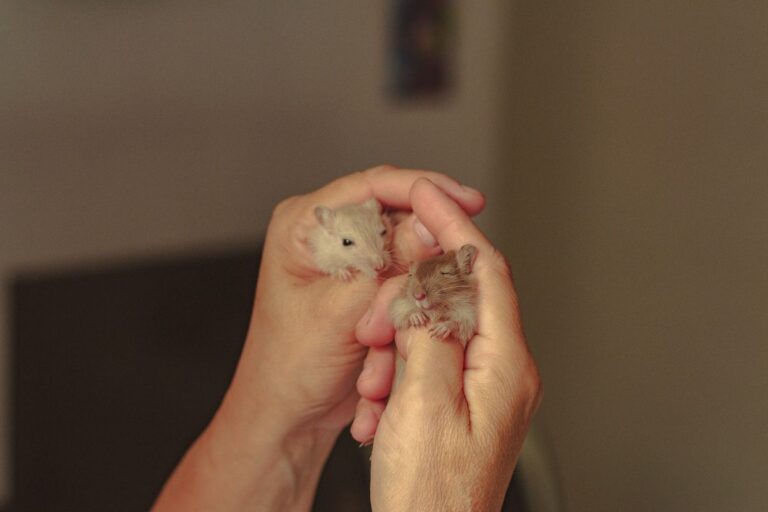
Hamsters love snacks, and it’s tempting to share. But some human foods are perfect for hamsters, while others can make them very sick. This guide answers the question “what can hamsters eat?” with a simple safe and unsafe list.
The Short Answer: Hamsters should eat mostly a quality hamster pellet or lab block, with a little seed mix. Small amounts of fresh vegetables, some fruits and a bit of plain cooked protein make healthy extras. Avoid citrus, onions, garlic, chocolate, raw beans, almonds and sugary or salty human foods.
The Basis of a Healthy Hamster Diet
A balanced hamster diet looks like this:
- Pellets or lab blocks: the main food. They provide balanced nutrition, so your hamster can’t pick out only the fatty seeds.
- A small amount of seed mix: fine as part of the diet, but seed-only diets tend to be high in fat.
- Fresh foods: a small daily portion of vegetables and occasional fruit or protein.
- Fresh water: available at all times.
Hamsters naturally hoard food in their cheek pouches and nests. Check the stash every couple of days and remove fresh food before it spoils.
Safe Foods for Hamsters
Offer fresh foods in small amounts, about the size of your hamster’s paw for dwarfs, a bit more for Syrians.
Vegetables
- Broccoli
- Carrot (in moderation, as it’s sweet)
- Cucumber
- Bell pepper
- Romaine lettuce (not iceberg)
- Spinach and other leafy greens, occasionally
- Zucchini
- Peas
Fruits (occasional treats)
- Apple, with seeds removed
- Banana
- Blueberries
- Strawberries
- Pear, with seeds removed
Proteins
- Plain cooked egg
- Plain cooked chicken, without seasoning
- Mealworms, dried or live
- Plain tofu
Grains and seeds
- Plain oats
- Plain cooked pasta or rice
- Unsalted sunflower or pumpkin seeds, in small amounts
Foods Hamsters Should Never Eat
| Food | Why it’s a problem |
|---|---|
| Citrus fruits (orange, lemon, lime) | Very acidic and can upset the stomach |
| Onions, garlic, leeks, chives | Can damage red blood cells |
| Chocolate | Contains theobromine, which is toxic to many animals |
| Raw kidney beans | Contain a natural toxin |
| Almonds (bitter) and fruit pits or apple seeds | Can contain compounds that release cyanide |
| Raw potato and potato leaves | Contain solanine |
| Rhubarb and tomato leaves | Toxic plant parts |
| Sugary, salty or processed foods | Can cause obesity, diabetes and dental problems |
| Sticky foods like peanut butter in large lumps | Can get stuck in cheek pouches |
Special Note for Dwarf Hamsters
Campbell’s and Winter White dwarf hamsters are prone to diabetes. Keep fruit, carrots, corn and other sugary foods to a minimum for these breeds.
How to Introduce New Foods
- Offer one new food at a time.
- Start with a tiny piece.
- Watch droppings for 24 hours. Soft stool means you should stop that food.
- If all is well, add it to the rotation.
Sudden diet changes can upset the gut and may contribute to illnesses like wet tail.
Hamster Teeth and Diet
A hamster’s teeth grow throughout life. Hard pellets, lab blocks and safe chew sticks help keep them worn down. Learn the warning signs in our guide to hamster teeth problems.
Sample Weekly Menu
Here’s an example of how fresh foods might fit into a Syrian hamster’s week, on top of daily pellets:
| Day | Fresh extra |
|---|---|
| Monday | A small floret of broccoli |
| Tuesday | A thumbnail-size piece of cucumber |
| Wednesday | A mealworm or a bit of plain cooked egg |
| Thursday | A small piece of bell pepper |
| Friday | One blueberry |
| Saturday | A leaf of romaine lettuce |
| Sunday | A little plain cooked chicken |
For dwarf hamsters, halve the portions and skip the fruit for Campbell’s and Winter Whites. Remove anything uneaten within a few hours so it doesn’t spoil in the nest.
When to Call Your Vet
Call an exotic vet if your hamster:
- Has diarrhea or a wet bottom
- Stops eating for more than a day
- Ate something toxic, such as chocolate or onion
- Has swollen cheeks that don’t empty, which can mean a pouch problem
- Is drinking and urinating much more than usual, which can be a sign of diabetes
Frequently Asked Questions
Can hamsters eat grapes?
Grapes are toxic to dogs, and their safety in hamsters isn’t well studied. Many vets advise skipping them to be safe.
How often should I give treats?
Fresh vegetables can be offered daily in small portions. Fruit and protein are better a few times a week.
Can hamsters eat cheese?
A tiny piece of plain, low-fat cheese is unlikely to cause harm, but it’s high in fat. Plain cooked egg is a healthier protein choice.
This article is for general information only and isn’t a substitute for professional veterinary advice. If you’re worried about your pet’s health, contact your veterinarian or an emergency animal hospital.