Many reptiles, especially ground-dwelling species, benefit from a warm surface to rest on. Under tank heaters (UTHs) provide this by heating the glass from below. The Zoo Med ReptiTherm is one of the most common. This review covers how it works, the safety concerns and how to use it properly.
Verdict at a Glance: The Zoo Med ReptiTherm under tank heater is an affordable way to provide belly heat for species such as leopard geckos and ball pythons. It must always be used with a thermostat to prevent burns. It’s not usually enough as the only heat source for basking species.
At a Glance
| Feature | Details |
|---|---|
| Type | Adhesive under tank heater |
| Sizes | Several, matched to tank sizes |
| Heat type | Conductive belly heat |
| Use with | A thermostat (essential) |
| Best for | Ground-dwelling species |
What It Is and How It Works
The ReptiTherm sticks to the underside of a glass tank. It warms the glass and substrate above it.
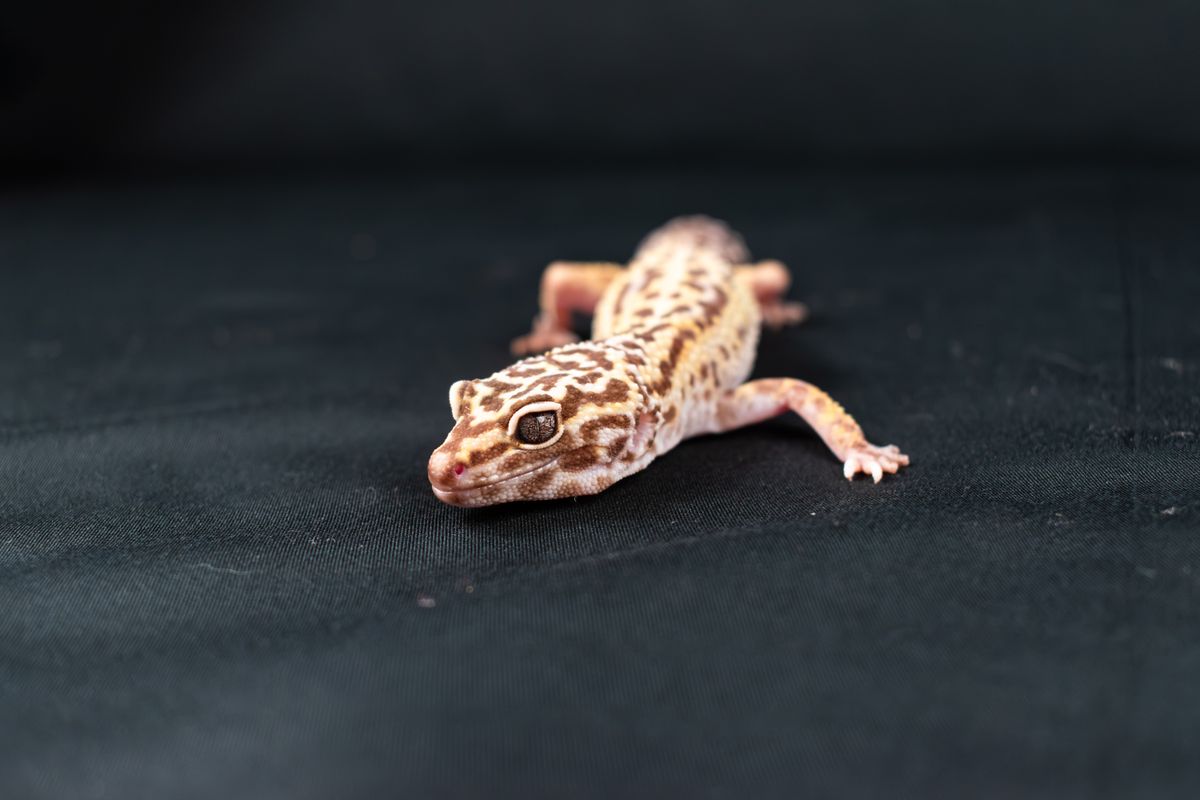
Belly heat helps digestion in species such as leopard geckos and ball pythons. However, UTHs warm only a small area and don’t heat the air much. Many keepers now pair them with overhead heat.
Learn more in our leopard gecko care sheet and best pet snakes for beginners.
Pros and Cons
| Pros | Cons |
|---|---|
| Affordable | Can cause burns without a thermostat |
| Provides belly heat | Heats a small area |
| Easy to install | Doesn’t heat the air much |
| Low energy use | Adhesive makes it hard to move |
| Silent |
Why a Thermostat Is Essential
Every heat source needs a thermostat. Without one, temperatures can climb high enough to cause burns or overheating.
Under tank heaters can get very hot on their own. Reptiles don’t always move away from dangerous heat, so burns can happen.
Use a thermostat with the probe placed on the glass or substrate above the heater. Check temperatures with a digital thermometer or temperature gun. Many keepers aim for surface temperatures within the species’ recommended range.
Safety Notes and Possible Side Effects
- UTHs can cause burns without a thermostat.
- Don’t stick a UTH to wood or plastic enclosures not designed for it.
- Leave an air gap under the tank so heat can escape.
- Too much substrate can trap heat and overheat the heater.
- Don’t use UTHs as the only heat for basking species.
Always use a thermostat with an under tank heater. Reptile burns can be serious and may need vet treatment.
Things to Consider Before Buying
- Buy a thermostat at the same time.
- Choose the right size for your tank.
- Check whether your enclosure material is suitable.
- Pair with overhead heat for many species.
- Check temperatures regularly.
Who It Suits
| Good fit if… | Consider something else if… |
|---|---|
| You keep a ground-dwelling species | You keep an arboreal species |
| You want supplemental belly heat | Your enclosure isn’t glass |
| You’ll use a thermostat |
Alternatives to Consider
| Option | How it differs |
|---|---|
| Deep heat projector | Overhead infrared heat |
| Ceramic heat emitter | Overhead heat without light |
| Heat panels | Overhead radiant heat |
When to Call Your Vet
Contact your vet if:
- Your reptile has burns or blisters
- Your reptile isn’t eating
- Your reptile seems lethargic
Frequently Asked Questions
Is the ReptiTherm safe?
It can be safe with a thermostat. Without one, it can cause burns.
Can I use a UTH for a bearded dragon?
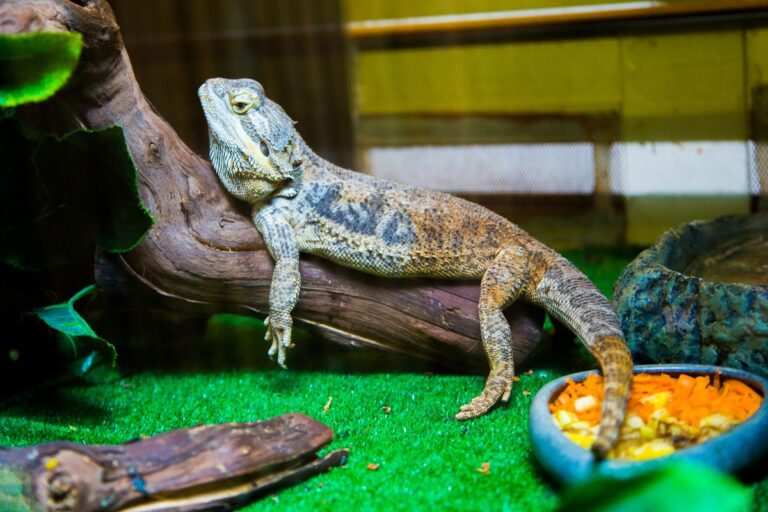
Bearded dragons need overhead basking heat. A UTH alone isn’t enough.
How hot does the ReptiTherm get?
It can get very hot. A thermostat controls the temperature.
Where should I put the UTH?
Under one side of the tank to create a warm and cool side.
Can I move the UTH?
It’s adhesive and hard to move once installed.
Do I need a thermostat?
Yes. This is essential.
Can a UTH heat the whole tank?
No. It heats a small area.
Is a UTH good for ball pythons?
Many keepers use them, often alongside overhead heat.
What size ReptiTherm should I choose?
Zoo Med sizes its heaters by tank size. Many keepers choose a heater that covers about one-third of the floor, so there’s a clear warm side and cool side.
Can I put the ReptiTherm on the side of the tank?
Some keepers mount heat mats on the side wall for arboreal or semi-arboreal species. The heat reaches less of the floor, so check temperatures carefully and still use a thermostat.
Why isn’t my under tank heater getting warm enough?
Thick substrate, a cold room or a heater that’s too small can all reduce surface temperatures. Check the thermostat setting and probe position, and measure the surface above the heater directly.
Pet Health Man is independent and isn’t paid by the brands we review. Product formulas, specifications and prices change, so check the current label or the manufacturer’s information before you buy.
This article is for general information only and isn’t a substitute for professional veterinary advice. If you’re worried about your pet’s health, contact your veterinarian or an emergency animal hospital.