If your bearded dragon suddenly sleeps all day, hides and stops eating in fall or winter, it may be entering brumation. This is a natural slowdown, similar to hibernation. It can be alarming, but it’s usually normal. The key is making sure your dragon is healthy before and during it. Here’s a guide to bearded dragon brumation.
Quick Answer: Brumation is a seasonal period of reduced activity and appetite, often in fall or winter, triggered by shorter days and cooler temperatures. It can last a few weeks to a few months. Before assuming brumation, have a reptile vet check your dragon and do a fecal test, because illness can look similar.
What Is Brumation?
In the wild, Australian bearded dragons slow down during cooler months when food is scarce. Pet dragons can still sense seasonal changes in light and temperature, even indoors. During brumation, their metabolism slows. They eat little or nothing and sleep much more.
Signs of Brumation
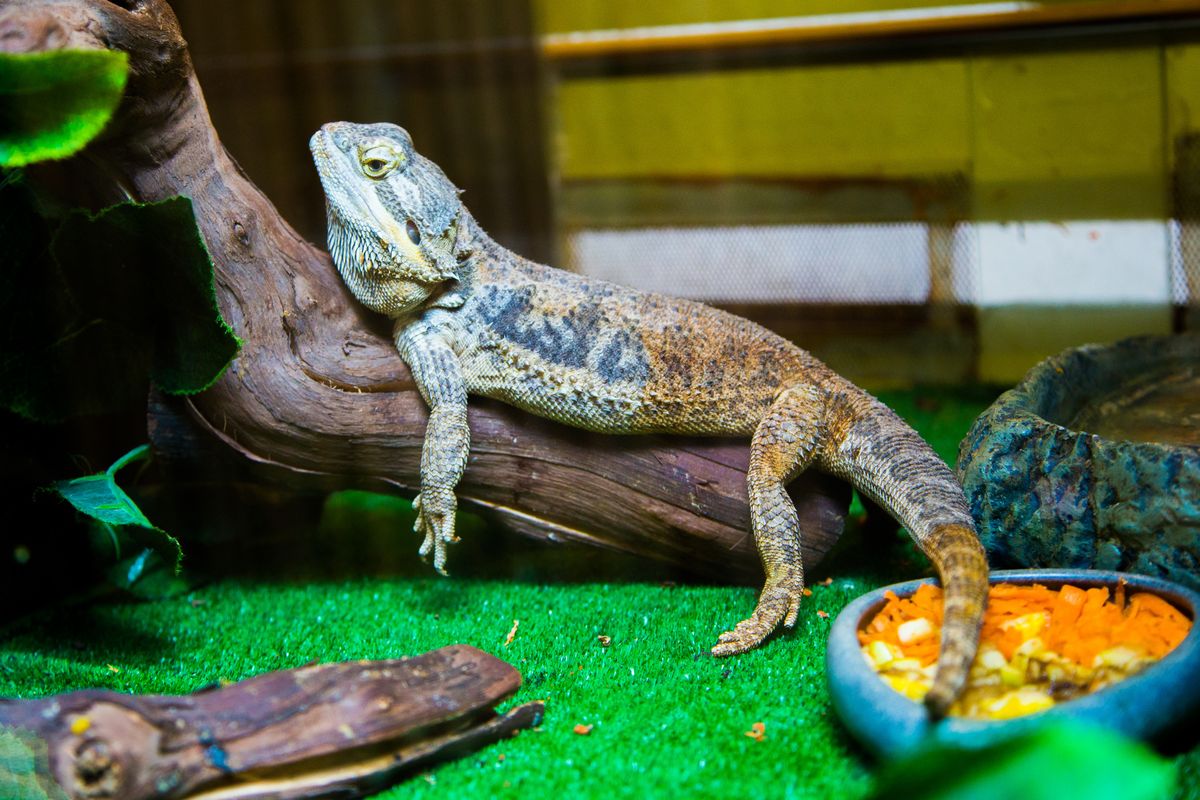
- Sleeping more and going to bed earlier
- Hiding or digging into the substrate
- Eating much less or stopping completely
- Basking less
- Fewer droppings
- Less interest in handling
Not all bearded dragons brumate. Some never do, some skip years, and some only slow down a little.
When Does Brumation Happen?
Brumation is most common in fall and winter in the Northern Hemisphere. Many dragons don’t brumate until they’re about 10 to 12 months old or older. Very young dragons that seem to be brumating should see a vet, because illness is more likely.
Brumation vs. Illness
| Brumation | Possible illness |
|---|---|
| Gradual slowdown in fall or winter | Sudden change at any time of year |
| Alert when woken | Weak, floppy or unresponsive |
| Weight stays mostly stable | Steady weight loss |
| Normal eyes and skin | Sunken eyes, wrinkled skin (dehydration) |
| No discharge | Mucus around mouth or nose |
| No swelling | Swollen limbs or belly |
Before Brumation: Get a Checkup
Brumation can hide illness, and parasites can multiply while a dragon isn’t eating. Before letting your dragon brumate:
- See a reptile vet for an exam.
- Bring a fecal sample for a parasite check.
- Weigh your dragon and record it.
- Make sure the gut is empty. A dragon shouldn’t brumate with food in its stomach, since undigested food can rot. Many keepers stop feeding a few days before brumation and offer baths to encourage pooping.
Caring for a Brumating Dragon
Lighting and temperature
- Many keepers reduce daylight hours and basking temperatures gradually as a dragon winds down.
- Keep a cool side that doesn’t drop below about 65°F (18°C).
- Some keepers keep lights on a normal schedule and let the dragon choose; follow your vet’s advice.
See our bearded dragon lighting guide.
Food and water
- Offer fresh greens occasionally if your dragon wakes.
- Keep a shallow water dish available.
- Some keepers offer a brief warm bath every week or two for hydration.
Weight checks
Weigh your dragon every week or two. Significant weight loss is a reason to call your vet. A loss of more than about 10% of body weight is a common red flag.
Leave them be
Avoid waking your dragon frequently. Short check-ins are fine.
Coming Out of Brumation
Dragons usually wake gradually. When yours becomes more active:
- Return to normal light and temperature schedules.
- Offer a warm bath for hydration.
- Offer greens first, then reintroduce insects over a few days.
- Watch for normal pooping.
See our bearded dragon diet guide for feeding amounts.
When to Call Your Vet
Call a reptile vet if your dragon:
- Is under a year old and seems to be brumating
- Loses more than about 10% of its body weight
- Has sunken eyes, swelling or discharge
- Seems weak or unresponsive when gently handled
- Has runny or bloody stools
- Brumates longer than about 3 to 4 months without your vet’s input
Frequently Asked Questions
Can I stop my bearded dragon from brumating?
Some keepers maintain summer lighting and temperatures, but many dragons still slow down. Don’t force-feed a healthy brumating dragon.
How long does brumation last?
Anywhere from a few weeks to about 3 or 4 months.
Should I handle my dragon during brumation?
Minimal handling is best. Short checks and weigh-ins are fine.
Does my dragon need UVB during brumation?
Many keepers keep a reduced light cycle. Talk to your vet about what’s right for your setup.
Will my dragon lose weight during brumation?
A small amount is normal. Large or rapid losses aren’t, and need a vet check.
Is it okay if my dragon wakes up and basks briefly?
Yes. Many dragons wake now and then to bask or drink, then go back to sleep. That’s normal.
This article is for general information only and isn’t a substitute for professional veterinary advice. If you’re worried about your pet’s health, contact your veterinarian or an emergency animal hospital.