Horses are living longer than ever. Many stay active well into their 20s and even 30s. But aging brings changes in teeth, digestion, joints and hormones. With some adjustments, senior horses can stay comfortable and happy. Here’s a guide to caring for older horses.
Quick Answer: Most horses are considered senior around age 15 to 20. Key care steps include dental exams every 6 to 12 months, easy-to-chew forage and senior feeds, regular weight checks, joint comfort, PPID screening, tailored parasite control and keeping them active with turnout.
Common Changes in Older Horses
| Change | What you may notice |
|---|---|
| Dental wear | Dropping feed, slow eating, long fibers in manure |
| Weight loss | Prominent ribs, hips and spine |
| Loss of topline | Sagging back, less muscle along the spine |
| Arthritis | Stiffness, especially in the morning or cold weather |
| Hormone changes | Long or curly coat, pot belly, laminitis |
| Reduced immunity | More infections, slower healing |
| Vision changes | Cloudy eyes, spooking on one side |
Nutrition for Senior Horses
Forage first
Forage should still be the base of the diet. If your horse can chew hay well, continue feeding good-quality hay. See how much hay a horse needs.
When chewing gets harder
- Hay cubes or pellets soaked into a mash
- Chopped forage
- Beet pulp (soaked)
- Complete senior feeds designed to replace hay
Senior feeds
Senior feeds are easier to chew and digest, with higher fiber and added nutrients. Some are low in sugar and starch, which is helpful for horses with metabolic issues.
Water
Older horses may drink less, especially in winter. Offer warm water and soaked feeds to help hydration and prevent colic.
The Merck Veterinary Manual notes that older horses often need diet changes as their teeth and digestion change.
Dental Care
Teeth wear down with age and can become loose or fall out. Schedule exams every 6 to 12 months. See equine dental care.
Weight and Body Condition
Check body condition monthly using body condition scoring. Many seniors lose weight in winter. Others, especially easy keepers, may gain weight and be at risk for laminitis.
Hormonal Disease
Pituitary pars intermedia dysfunction (PPID) is very common in senior horses. Signs include delayed shedding, a curly coat, muscle loss and laminitis. See equine Cushing’s disease.
Joint Comfort
- Keep them moving. Daily turnout reduces stiffness.
- Warm up slowly before riding.
- Provide soft, level footing.
- Ask your vet about anti-inflammatory medications, joint injections or supplements.
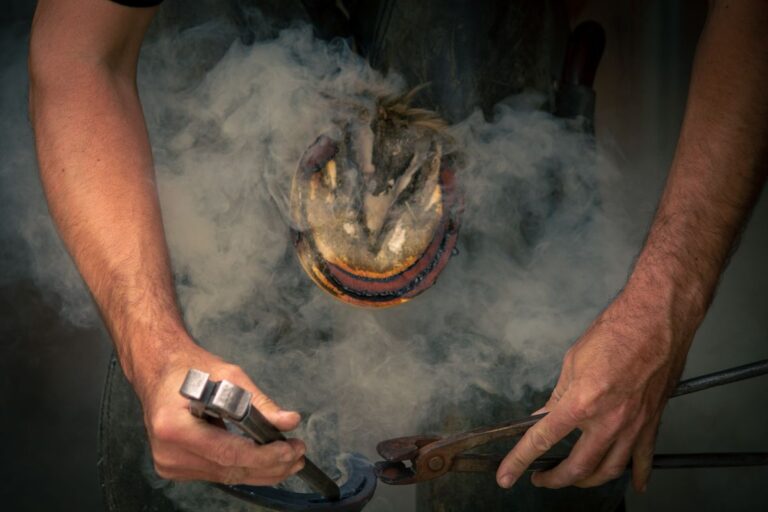
- Keep hooves trimmed regularly. See hoof care basics.
Parasite Control
Older horses may shed more parasite eggs, especially with PPID. Use fecal egg counts to guide treatment. See deworming horses.
Housing and Herd Life
- Provide shelter from wind, rain and sun.
- Use blankets in cold, wet weather if your horse struggles to keep warm.
- Make sure older horses aren’t pushed away from feed by younger herd mates. Feed separately if needed.
- Keep routines consistent.
Senior Horse Health Calendar
| Task | Frequency |
|---|---|
| Wellness exam | Every 6–12 months |
| Dental exam | Every 6–12 months |
| Vaccines | As your vet advises. See horse vaccination schedule. |
| Fecal egg count | 1–2 times a year or as advised |
| Body condition check | Monthly |
| Farrier | Every 4–8 weeks |
| PPID testing | As your vet advises |
Quality of Life
As horses age, some develop conditions that affect comfort. Discuss quality of life with your vet regularly, considering pain, appetite, mobility and enjoyment of life.
When to Call Your Vet
Call your vet if your senior horse:
- Loses weight quickly
- Stops eating or drops feed
- Shows signs of laminitis or colic
- Has trouble getting up
- Has frequent infections
Frequently Asked Questions
What age is a senior horse?
Many vets consider horses senior around 15 to 20, but health matters more than age.
Can senior horses still be ridden?
Many can, with adjustments. Light, regular exercise often helps them stay fit and comfortable.
Should I blanket my older horse?
If your horse is thin, clipped or struggling in cold, wet weather, a blanket can help.
Are joint supplements worth it?
Some horses may benefit. Evidence varies, so talk with your vet about what’s likely to help.
Do senior horses need more salt or electrolytes?
All horses need free-choice salt. Older horses that sweat a lot or drink poorly may benefit from electrolytes during hot weather. Ask your vet first.
How can I help a senior horse keep weight on in winter?
Add more forage, use soaked feeds, blanket if needed and check teeth before winter starts.
Is it normal for older horses to lie down more?
Many older horses rest lying down more often. If your horse struggles to get up or lies down much more than usual, call your vet.
This article is for general information only and isn’t a substitute for professional veterinary advice. If you’re worried about your pet’s health, contact your veterinarian or an emergency animal hospital.