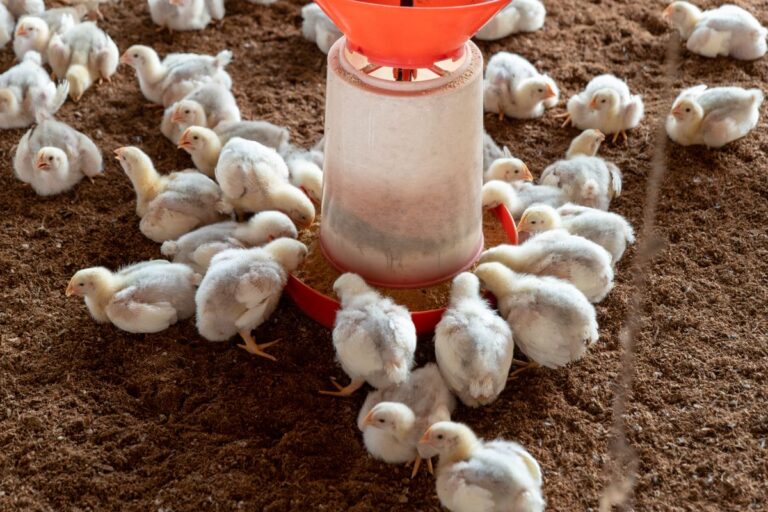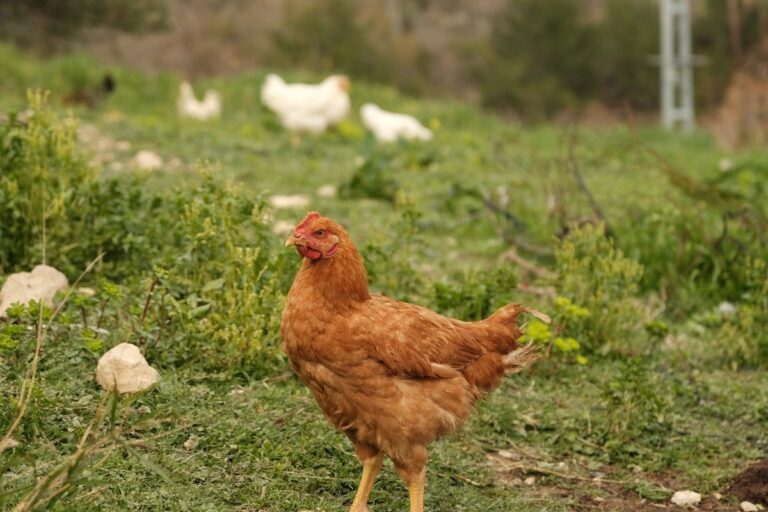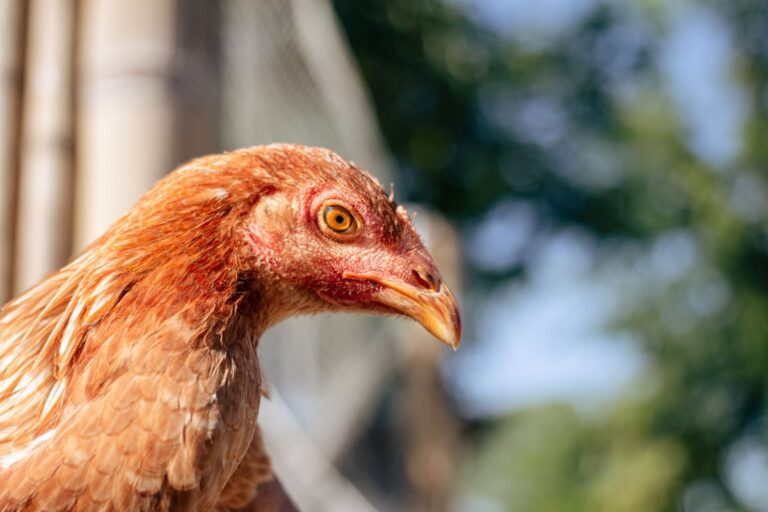
What you feed your chickens affects egg production, shell strength, feather quality and overall health. Commercial feeds make balanced nutrition easy, but treats and kitchen scraps can throw things off. Here’s what to feed backyard chickens at each stage of life.
Quick Answer: Feed chick starter from hatch to about 6 to 8 weeks, grower feed until hens start laying (around 18 to 22 weeks), then a complete layer feed with 16–18% protein. Offer crushed oyster shell and grit in separate dishes, provide clean water at all times and keep treats to about 10% of the diet.
Feeding by Age
| Age | Feed | Protein |
|---|---|---|
| 0–6/8 weeks | Chick starter (medicated or non-medicated) | About 18–20% |
| 6/8–18 weeks | Grower or starter-grower | About 15–18% |
| Laying hens (about 18–22 weeks+) | Layer feed | About 16–18% |
| Non-laying, mixed flocks, roosters | All-flock feed plus oyster shell for layers | About 16–20% |
The Merck Veterinary Manual explains that poultry need balanced protein, energy, vitamins and minerals at each stage.
Why Layer Feed Matters
Layer feed contains extra calcium (about 3.5–4%) for strong eggshells. Don’t feed layer feed to young chicks or growing pullets, because too much calcium can damage their kidneys.
Calcium: Oyster Shell
Offer crushed oyster shell free-choice in a separate dish. Hens take what they need. This is especially important for heavy layers.
Grit
Chickens don’t have teeth. Grit (small stones) in the gizzard helps grind food.
- Chickens eating only complete feed don’t strictly need grit.
- If they eat scratch, grass, insects or scraps, offer insoluble grit free-choice.
Water
Clean, fresh water is essential. Hens drink more in hot weather and when laying. Even a few hours without water can affect laying.
Healthy Treats
Keep treats to about 10% of the daily diet.
| Good treats | Notes |
|---|---|
| Leafy greens | Lettuce, kale, chard |
| Vegetables | Squash, pumpkin, cucumber, peas |
| Fruits | Berries, melon, apples (no seeds) |
| Cooked grains | Rice, oats, pasta |
| Protein | Mealworms, black soldier fly larvae, cooked eggs |
| Scratch grains | Small amounts; like candy for chickens |
Foods to Avoid
- Avocado (especially skin and pit)
- Chocolate and caffeine
- Raw or dried beans
- Moldy or spoiled food
- Salty, sugary or greasy foods
- Green potato peels
- Large amounts of citrus
How Much Feed Do Chickens Eat?
A standard-size laying hen eats roughly 1/4 to 1/3 pound (about 110–150 g) of feed per day. Bantams eat less. Many keepers offer feed free-choice in a covered feeder.
Medicated vs. Non-Medicated Chick Starter
Medicated starter often contains amprolium to help prevent coccidiosis. Chicks vaccinated against coccidiosis usually shouldn’t eat medicated feed, since it can interfere with the vaccine. Ask your hatchery or vet.
Feeding During Molt and Winter
- Molting: feathers are mostly protein. Many keepers switch to a higher-protein feed (around 18–20%) during molt.
- Winter: a handful of scratch in the evening can add warmth from digestion. See winter chicken care.
Signs of Diet Problems
- Thin or soft eggshells: low calcium
- Feather pecking: low protein or boredom
- Drop in laying: many causes. See why chickens stop laying eggs.
- Weight loss or poor growth
Frequently Asked Questions
Can chickens eat kitchen scraps?
Healthy scraps in moderation are fine. Avoid moldy, salty or toxic foods.
Do chickens need vitamins?
A complete commercial feed contains vitamins and minerals. Supplements may help during stress or illness, as advised by a vet.
Should I ferment chicken feed?
Some keepers ferment feed to improve digestibility. It’s optional, and spoiled feed must be avoided.
Can roosters eat layer feed?
Many flocks share layer feed, but extra calcium isn’t ideal for roosters long term. All-flock feed with oyster shell on the side is an alternative.
How should I store chicken feed?
In a sealed metal container in a cool, dry place, away from rodents. Use within a few months of the mill date.
Can chickens eat grass clippings?
Fresh, short clippings in small amounts are fine. Long clippings can cause crop impaction, and treated lawns are unsafe.
Is scratch grain a complete feed?
No. Scratch is low in protein and should only be a small treat.
When should I switch from chick starter to layer feed?
Switch around 18 weeks or when the first eggs appear, whichever comes first. Keep oyster shell available once hens start laying.
Is organic feed better?
Organic feed meets certain production standards but isn’t necessarily more nutritious. A complete, fresh feed matters most.
Why are my hens eating their eggs?
Egg eating can start when shells break from low calcium, overcrowding or boredom. Collect eggs often and offer oyster shell.
Do chickens need fresh greens if they can’t free-range?
Greens add variety and nutrients. Hang a cabbage or offer chopped leafy greens a few times a week.
This article is for general information only and isn’t a substitute for professional veterinary advice. If you’re worried about your pet’s health, contact your veterinarian or an emergency animal hospital.