Choosing your first chickens is exciting, and a little overwhelming. There are hundreds of breeds, each with different personalities, egg colors and needs. For beginners, the best chickens are friendly, hardy and reliable layers. Here’s a guide to the best chicken breeds for beginners and families.
Quick Answer: Great beginner breeds include Buff Orpingtons, Plymouth Rocks (Barred Rocks), Australorps, Rhode Island Reds, Wyandottes, Easter Eggers, Sussex and Silkies. They’re generally calm, adaptable and easy to care for. Pick breeds suited to your climate and your goals for eggs or companionship.
Beginner-Friendly Breeds at a Glance
| Breed | Eggs per year (approx.) | Egg color | Temperament | Climate |
|---|---|---|---|---|
| Buff Orpington | 200–280 | Light brown | Very calm, friendly | Cold-hardy |
| Plymouth Rock (Barred Rock) | 200–280 | Brown | Friendly, curious | Cold-hardy |
| Australorp | 250–300 | Brown | Gentle | Cold- and heat-tolerant |
| Rhode Island Red | 250–300 | Brown | Hardy, can be assertive | Very hardy |
| Wyandotte | 200–240 | Brown | Calm, independent | Very cold-hardy |
| Easter Egger | 200–280 | Blue, green, pink | Friendly | Hardy |
| Speckled Sussex | 200–250 | Light brown | Curious, friendly | Cold-hardy |
| Silkie | 100–120 | Cream | Very gentle | Not cold- or wet-tolerant |
| Brahma | 150–200 | Brown | Gentle giant | Very cold-hardy |
Egg numbers vary with age, diet, light and individual birds.
Breed Profiles
Buff Orpington
Often called the “golden retriever” of chickens. Fluffy, docile and great with kids. They can go broody.
Plymouth Rock
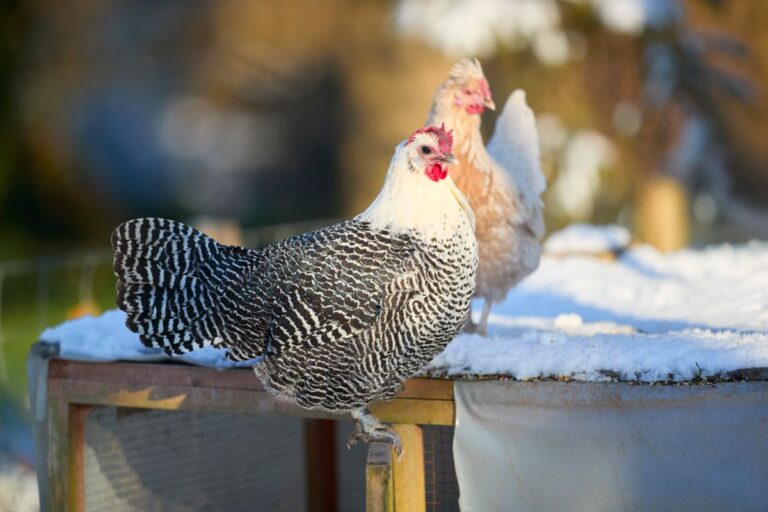
The Barred Rock is a classic black-and-white striped hen. Friendly, hardy and productive.
Australorp
Excellent layers with glossy black feathers. Calm and adaptable.
Rhode Island Red
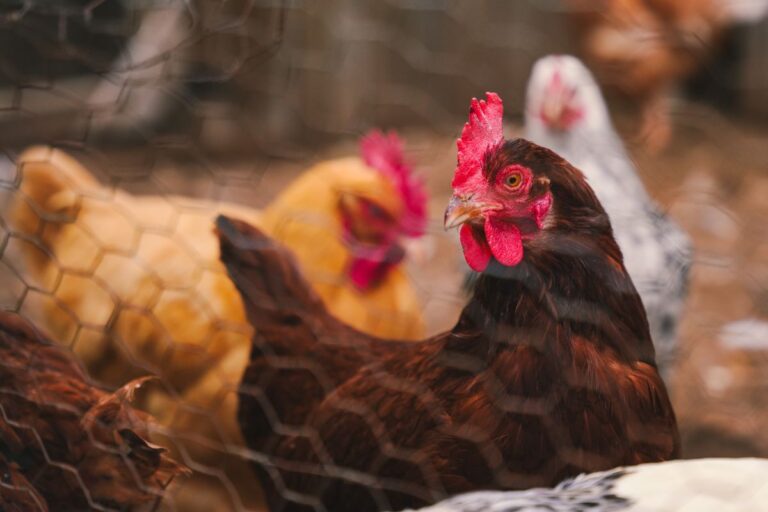
Tough, reliable layers. Hens are usually fine, but some roosters can be aggressive.
Wyandotte
Beautiful laced feathers and a small rose comb that resists frostbite.
Easter Egger
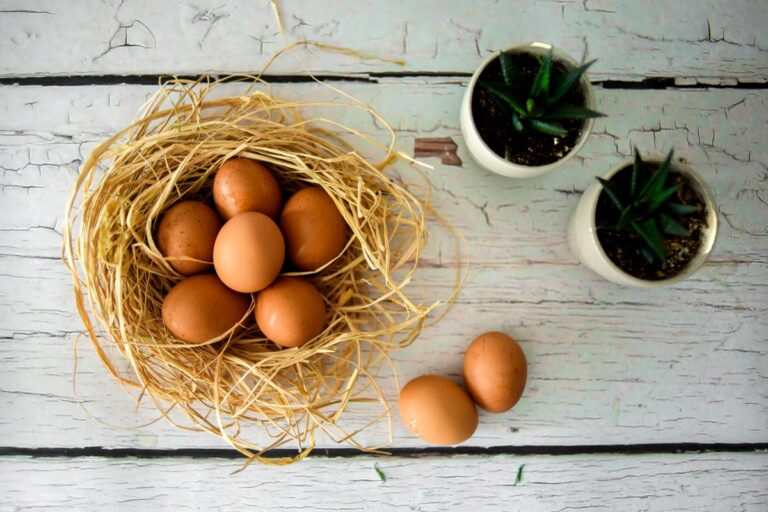
Fun for families because of their colorful eggs. Not a standardized breed but very popular.
Speckled Sussex
Friendly, curious and great foragers. Their speckles increase with each molt.
Silkie
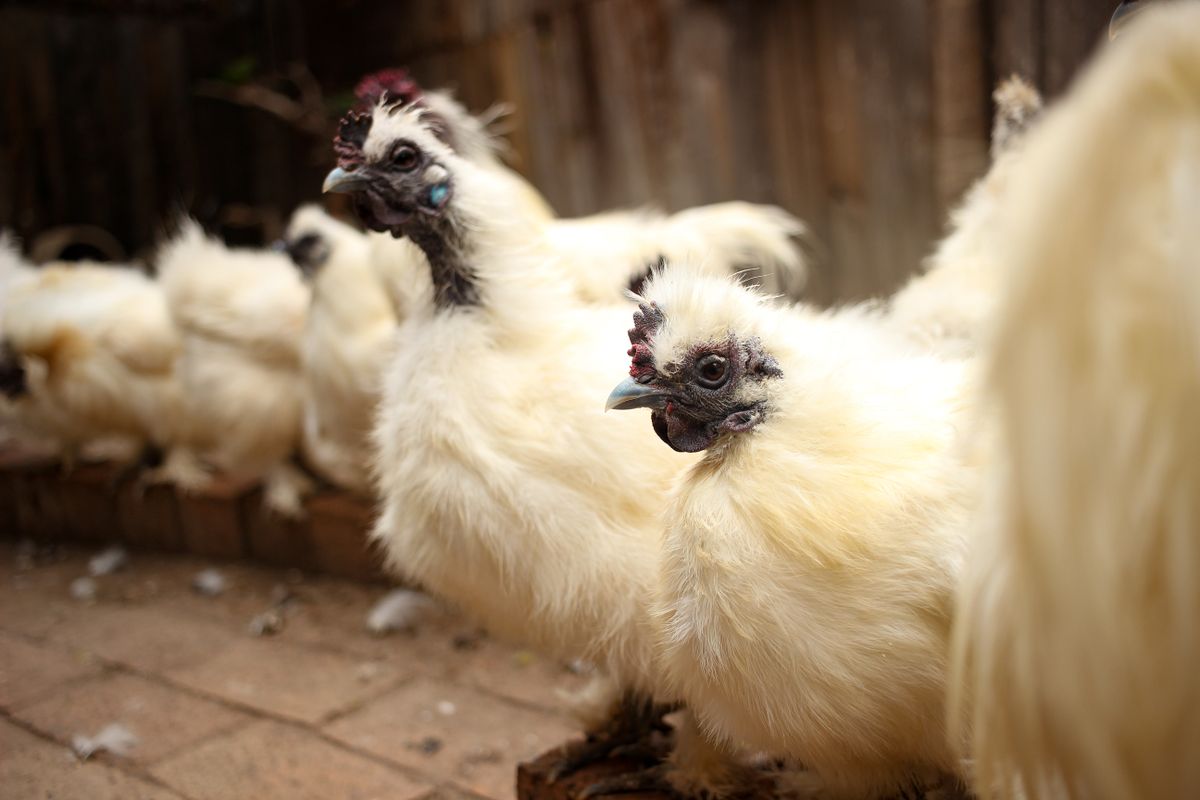
Fluffy, gentle and great with children. Poor layers and need protection from cold and wet weather. Their feathers can hide mites and lice.
Brahma
Large birds with feathered feet. Gentle and very cold-hardy, but need more space.
What to Consider When Choosing Breeds
- Your climate. Large-combed breeds can get frostbite. Heavy, dense-feathered breeds can struggle in heat.
- Egg goals. Production breeds lay more; heritage breeds lay fewer but often live longer.
- Temperament. For families, choose calm breeds.
- Space. Large breeds need more room. See chicken coop essentials.
- Broodiness. Some breeds go broody often. Great for hatching chicks, less so for steady eggs.
- Noise. Hens make some noise. Roosters are much louder and may be banned locally.
Mixing Breeds
Most beginner breeds get along. Add birds of similar size and temperament together, and avoid mixing very small or gentle breeds like Silkies with assertive large breeds.
Buying Chicks or Pullets
- Buy from reputable hatcheries or breeders.
- Ask for “sexed” pullets if you don’t want roosters (sexing isn’t 100% accurate).
- Ask about Marek’s disease vaccination.
- Quarantine new adult birds for at least 30 days.
For more first-time tips, see backyard chickens 101 and winter chicken care.
Heritage vs. Production Breeds
| Type | Pros | Cons |
|---|---|---|
| Heritage breeds (Orpington, Plymouth Rock, Wyandotte) | Hardy, longer-lived, steady layers for years | Fewer eggs per year |
| Production hybrids (ISA Brown, Golden Comet) | Very high egg numbers, early layers | Shorter laying lives, more reproductive problems later |
Many families choose a mix: a few productive hybrids for eggs and some heritage hens for personality and longevity.
A Simple Starter Plan
- Check local rules and decide how many hens you can keep.
- Pick two or three breeds suited to your climate.
- Order chicks in spring or buy point-of-lay pullets in summer.
- Set up the coop and run before birds arrive.
- Find a vet who treats poultry.
Frequently Asked Questions
Which chicken breed lays the most eggs?
Production hybrids like ISA Browns and Leghorns lay the most, often 280 to 300+ eggs a year, but may have shorter laying lives.
What’s the friendliest chicken breed?
Buff Orpingtons, Silkies, Australorps and Brahmas are often described as the friendliest.
Can different breeds live together?
Yes. Most backyard flocks are mixed.
How many chickens should a beginner start with?
Three to six hens is a good starting flock.
Which breeds handle heat best?
Leghorns, Australorps, Rhode Island Reds and many Mediterranean breeds with large combs handle heat better. Always provide shade and water.
Are bantam breeds good for beginners?
Yes. Bantams are small, need less space and are often friendly, though their eggs are smaller.
Do some breeds live longer?
Heritage breeds often live longer and lay steadily for more years than high-production hybrids.
Do roosters make hens lay more eggs?
No. Hens lay just as well without a rooster. A rooster only matters if you want fertile eggs or extra flock protection.
This article is for general information only and isn’t a substitute for professional veterinary advice. If you’re worried about your pet’s health, contact your veterinarian or an emergency animal hospital.