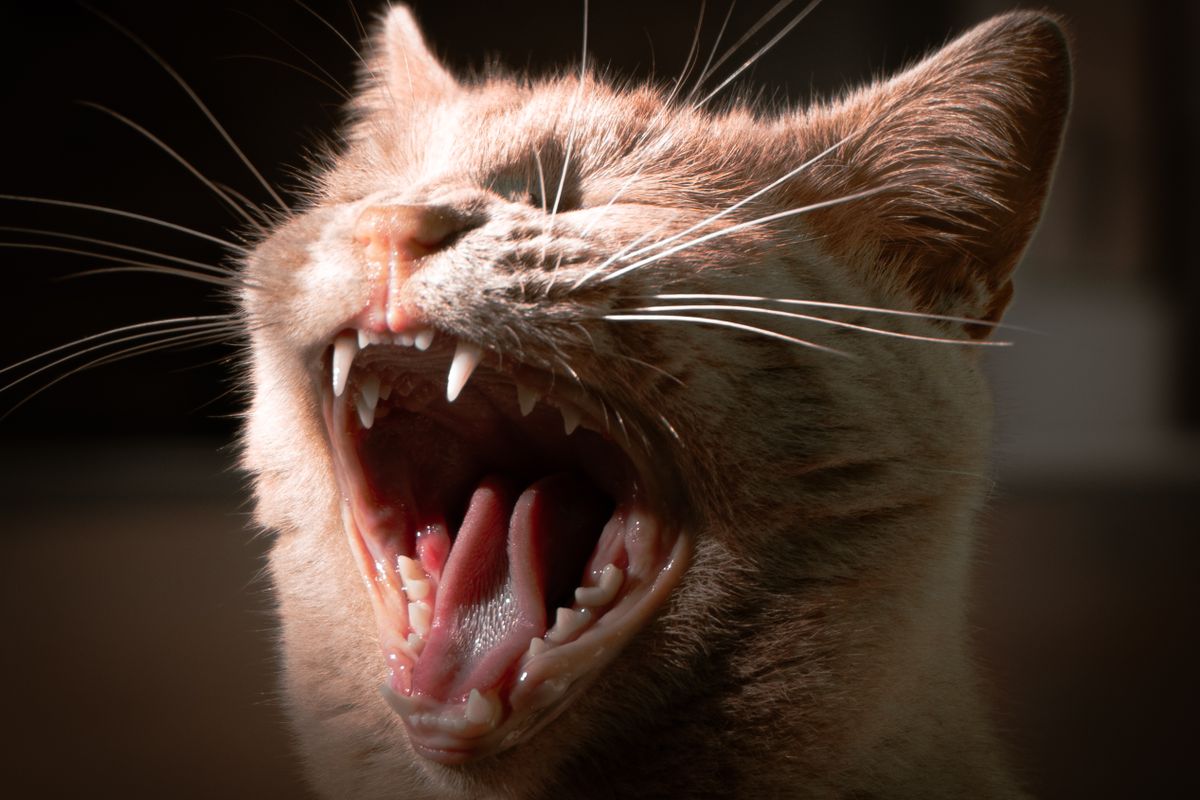
Most cats over the age of 3 have some form of dental disease. Because cats hide pain, many owners don’t realize their cat’s mouth hurts until the problem is advanced. Here’s what to know about cat dental disease, including gingivitis, tooth resorption and stomatitis.
Quick Answer: Common dental problems in cats include periodontal disease (gingivitis and tooth support loss), tooth resorption (painful lesions that destroy teeth) and stomatitis (severe mouth inflammation). Signs include bad breath, drooling, red gums, chewing on one side and dropping food. Treatment usually requires a dental cleaning under anesthesia, X-rays and sometimes extractions.
Common Dental Problems in Cats
| Condition | What it is | Key signs |
|---|---|---|
| Gingivitis | Inflamed gums from plaque | Red line along the gums, bad breath |
| Periodontitis | Damage to tissues holding the tooth | Gum recession, loose teeth |
| Tooth resorption | The tooth’s structure breaks down from inside | Pain, a pink spot or “hole” at the gumline |
| Stomatitis | Severe inflammation of the mouth | Very red gums, pain, drooling, not eating |
| Fractured teeth | Broken teeth, often canines | Exposed pulp, pain |
The Cornell Feline Health Center notes that dental disease is one of the most common problems vets see in cats.
Tooth Resorption
Tooth resorption affects a large share of adult cats. The body’s own cells break down the tooth, usually starting at the gumline. It’s painful, especially when the sensitive inner tooth is exposed. The cause isn’t fully known. Affected teeth are usually extracted.
Stomatitis
Stomatitis causes severe, painful inflammation of the gums and the back of the mouth. Cats may stop eating, drool or paw at their mouths. Many cats improve significantly after extraction of most or all teeth, which removes the source of inflammation.
Signs of Dental Disease
- Bad breath
- Drooling, sometimes with blood
- Red or swollen gums
- Tartar buildup
- Chewing on one side or dropping food
- Preferring wet food
- Pawing at the mouth
- Weight loss
- Grooming less
- Hiding or irritability. See signs your cat is in pain.
What Happens at a Dental Cleaning
- Pre-anesthetic bloodwork to check organ function
- General anesthesia for safety and a thorough exam
- Dental X-rays to see below the gumline, where most problems hide
- Scaling and polishing above and below the gumline
- Charting each tooth
- Extractions of painful or diseased teeth
- Pain relief and sometimes antibiotics
Anesthesia-free cleanings can’t clean below the gumline or find hidden problems, so most vets don’t recommend them.
Home Care
| Option | Effectiveness |
|---|---|
| Toothbrushing with pet toothpaste | The most effective at-home care |
| Dental diets (VOHC-accepted) | Help reduce plaque and tartar |
| Dental treats | Can help; look for VOHC seal |
| Water additives | Some help; check VOHC list |
See how to brush your cat’s teeth.
Never use human toothpaste on cats. It can contain ingredients that are harmful if swallowed.
How Often Should Cats Have Dental Checks?
Your vet will check your cat’s mouth at every wellness exam. Many cats need professional cleanings every 1 to 2 years, depending on their dental health.
Dental Disease and Overall Health
Bacteria from dental infection can affect the rest of the body. Dental pain can also reduce appetite, which is risky in cats with kidney disease or other conditions.
When to Call Your Vet
Book a visit if your cat:
- Has bad breath or tartar
- Has red gums
- Chews oddly or drops food
Seek prompt care if your cat:
- Stops eating
- Has facial swelling
- Is drooling blood
- Has a broken tooth
Frequently Asked Questions
Do cats need all their teeth?
No. Cats eat well after extractions, even with few or no teeth. Removing painful teeth improves quality of life.
Is anesthesia safe for older cats?
With pre-anesthetic screening and careful monitoring, many senior cats undergo dental procedures safely.
Can dental disease be reversed?
Gingivitis can improve with cleaning and home care. Lost bone and resorbed teeth can’t be restored.
How much does a cat dental cleaning cost?
Costs vary by region and how many extractions are needed. Ask your vet for an estimate.
What does a healthy cat mouth look like?
Healthy gums are pink, not red, and teeth are mostly white or slightly cream without heavy brown tartar.
Do dry foods clean teeth?
Ordinary kibble does little for teeth. Only specially designed dental diets have proven benefits.
Can kittens get dental disease?
Kittens can have problems like retained baby teeth or juvenile gingivitis, so checkups matter early on.
Is bad breath in cats ever normal?
Mild “cat food” breath can be normal, but strong or foul breath usually signals dental disease or another health problem.
This article is for general information only and isn’t a substitute for professional veterinary advice. If you’re worried about your pet’s health, contact your veterinarian or an emergency animal hospital.