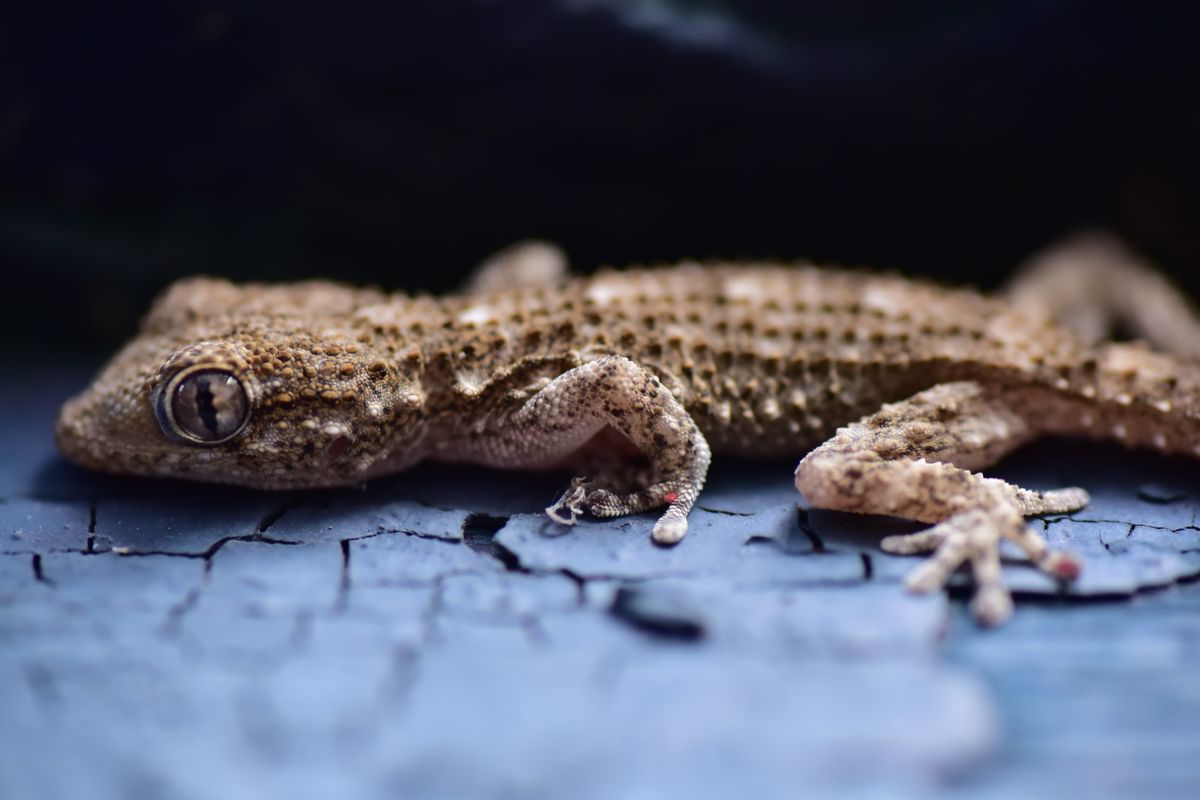
Metabolic bone disease (MBD) is one of the most common health problems in pet reptiles, and geckos are no exception. It weakens bones and can cause deformities, fractures and seizures. The good news is that it’s almost completely preventable with the right diet, supplements and lighting. Here’s what to know about metabolic bone disease in geckos.
Quick Answer: MBD develops when a gecko doesn’t get enough calcium or vitamin D3, or gets too much phosphorus. Signs include a soft or rubbery jaw, bowed legs, weakness, tremors and trouble walking or climbing. A reptile vet can treat it with calcium, vitamin D3 and habitat fixes. Prevention means dusting insects with calcium, gut-loading feeders and providing proper heat and UVB.
What Is Metabolic Bone Disease?
MBD is a group of conditions in which bones lose calcium. In reptiles, the most common form is nutritional secondary hyperparathyroidism. When blood calcium is low, the body pulls calcium from the bones to keep the heart and muscles working. Over time, bones become soft and weak.
The Merck Veterinary Manual lists nutritional bone disease as one of the most common problems in pet lizards.
Causes
- Insects not dusted with calcium
- No vitamin D3, either from supplements or UVB lighting
- Poorly fed feeder insects with low nutritional value
- Diets high in phosphorus, such as mealworms or waxworms only
- Low temperatures, which slow digestion and calcium absorption
- Kidney or liver disease in some cases
Signs of MBD in Geckos
Early signs
- Less active, weak grip
- Decreased appetite
- Mild trembling or twitching of toes
Moderate signs
- Soft, flexible or swollen lower jaw (“rubber jaw”)
- Bowed or swollen legs
- Trouble lifting the body off the ground
- Difficulty climbing (crested geckos may fall more often)
- Kinked tail or spine
Severe signs
- Fractures from minor bumps
- Muscle twitching and seizures
- Inability to eat
- Paralysis
| Gecko type | Common MBD clues |
|---|---|
| Leopard geckos | Belly dragging, wobbly walk, rubbery jaw |
| Crested geckos | Floppy tail, wavy spine, can’t climb or grip glass |
| Day geckos | Swollen limbs, tremors |
Diagnosis and Treatment
A reptile vet will examine your gecko and may take X-rays to check bone density. Bloodwork can show calcium levels.
Treatment can include:
- Calcium supplements, by mouth or injection
- Vitamin D3 as directed
- UVB lighting and correct temperatures
- Assisted feeding with a soft diet if your gecko can’t eat
- Pain relief and splinting for fractures
- A low-climbing, padded enclosure during recovery
Many geckos improve over weeks to months. Some deformities, like bent limbs, may be permanent, but most geckos can still live comfortably.
A gecko having tremors or seizures needs emergency care. Very low blood calcium can be life-threatening.
How to Prevent MBD
1. Dust insects
Coat feeder insects with calcium powder at most feedings. Use calcium with D3 if your gecko doesn’t have UVB, or as your vet advises.
2. Gut-load feeders
Feed insects nutritious foods, such as leafy greens, carrots and commercial gut-load, for 24 hours before offering them.
3. Offer a varied insect diet
Mix crickets, dubia roaches, black soldier fly larvae and silkworms. Limit fatty, high-phosphorus treats.
4. Provide UVB and heat
Low-level UVB helps geckos make their own vitamin D3. Proper temperatures support digestion. See our leopard gecko care sheet.
5. For crested geckos, use a complete diet
Crested geckos thrive on a commercial complete diet powder, plus occasional dusted insects. See crested vs. leopard geckos.
Supplement Schedule Example (Adult Leopard Gecko)
| Feeding | Supplement |
|---|---|
| Most feedings | Calcium (with or without D3) |
| Once a week | Reptile multivitamin |
| Always available (optional) | Small dish of plain calcium |
Your vet can adjust this based on your gecko’s age, lighting and health.
When to Call Your Vet
Book a reptile vet visit soon if your gecko:
- Has a rubbery jaw or swollen legs
- Walks with its belly dragging
- Can’t climb or grip like it used to
Get urgent care if your gecko:
- Is twitching or having seizures
- Has a broken limb
- Can’t eat
Frequently Asked Questions
Can MBD be reversed?
Bone density often improves with treatment, but bent bones and jaw changes may not fully straighten.
How long does recovery take?
Mild cases may improve in a few weeks. More severe cases can take several months.
Can too much calcium hurt my gecko?
Yes. Over-supplementing vitamin D3 in particular can be harmful. Follow your vet’s guidance and use supplements made for reptiles.
Do geckos with UVB still need calcium?
Yes. UVB helps the body use calcium, but the calcium still has to come from the diet.
This article is for general information only and isn’t a substitute for professional veterinary advice. If you’re worried about your pet’s health, contact your veterinarian or an emergency animal hospital.