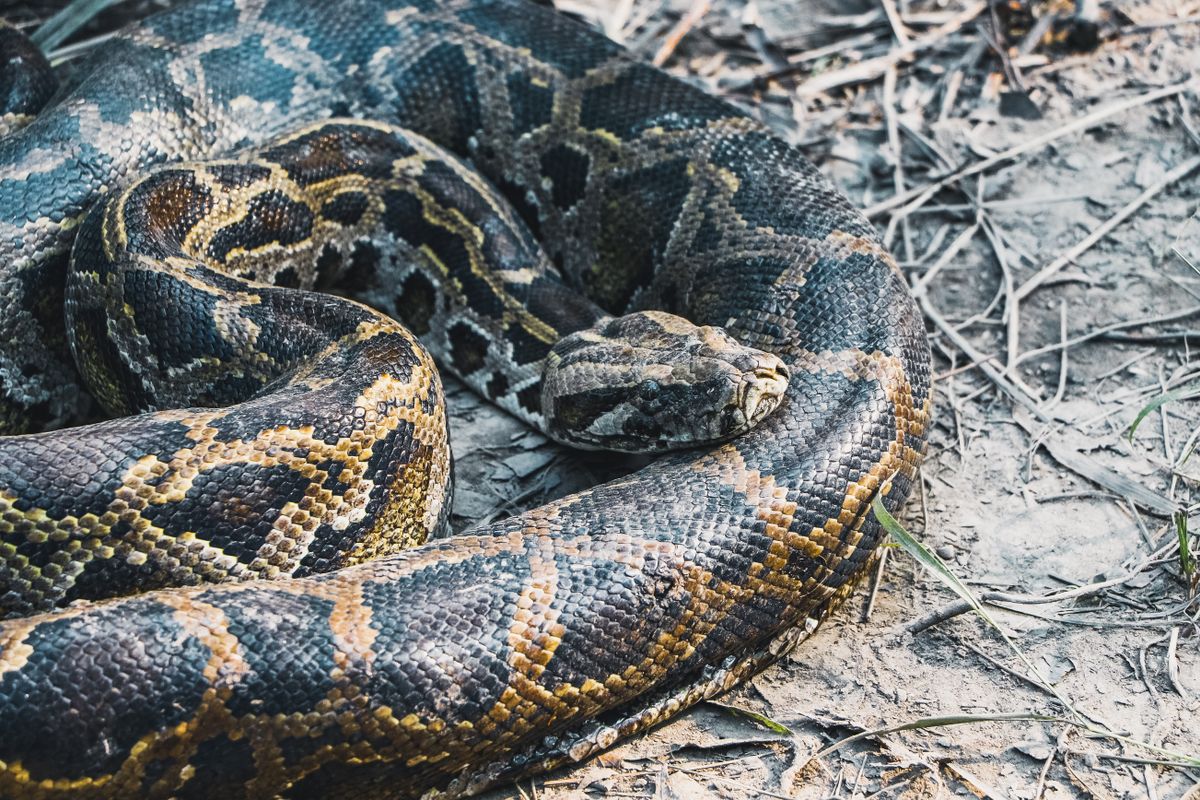
Ball pythons are famous for going off their food. A ball python that won’t eat can be stressful for owners, but it’s often normal. Healthy adult ball pythons can safely go weeks or even months without eating. The key is knowing when to troubleshoot and when to see a vet.
Quick Answer: Common reasons a ball python won’t eat include an upcoming shed, breeding season, a recent move, wrong temperatures or humidity, prey that’s the wrong size or type, too much handling and illness. Check husbandry first, weigh your snake regularly, and see a reptile vet if it’s losing weight or shows signs of illness.
Is It Normal?
Yes, to a point. Ball pythons naturally fast at times. Adult males often fast for weeks or months during the cooler breeding season. As long as your snake keeps a healthy weight and seems alert, a fast isn’t usually dangerous.
Common Reasons a Ball Python Won’t Eat
1. Shedding
Many snakes refuse food when their eyes turn cloudy before a shed. Wait until after the shed and try again.
2. Breeding season
Males especially may fast in fall and winter.
3. New environment
A newly bought or moved ball python may need 1 to 2 weeks to settle before eating.
4. Wrong temperatures
Too cool and your snake can’t digest food properly. Aim for a warm side of about 88–92°F (31–33°C) and a cool side of about 76–80°F (24–27°C).
5. Wrong humidity
Humidity around 55–70% is typical. Very low humidity can cause shedding problems and stress.
6. Feeling exposed
Ball pythons are shy. They need snug hides on both the warm and cool sides. Too much open space can make them stressed.
7. Prey issues
- Prey too large or too small
- Switching from rats to mice, or live to frozen-thawed
- Prey not warm enough
8. Too much handling
Handling within 48 hours before or after feeding can put a ball python off its food.
9. Illness
Respiratory infections, mouth infections, parasites, mites and other illnesses can cause food refusal.
Troubleshooting Checklist
| Check | What to look for |
|---|---|
| Temperatures | Warm and cool sides within the right range |
| Humidity | About 55–70% |
| Hides | Snug hide on each side |
| Shedding | Cloudy eyes or dull skin |
| Prey | Right size, fully thawed and warmed |
| Handling | No handling 48 hours around feeding |
| Health | Breathing, mouth, skin and weight |
Tips to Encourage Eating
- Warm the prey well. Thaw in the fridge, then warm in a sealed bag in warm water until it’s slightly above room temperature.
- Offer at night, when ball pythons are most active.
- Use tongs and wiggle the prey gently to mimic movement.
- Try braining (exposing a small amount of the prey’s brain), a technique some keepers use to increase scent. Ask your vet or an experienced keeper first.
- Leave prey near the hide overnight in a quiet room (frozen-thawed only, never live).
- Try a different prey type or color of rodent, if your snake was raised on something else.
- Feed in the enclosure to reduce stress.
- Wait a week or two between attempts so you don’t stress your snake.
Never leave a live rodent unattended with a snake. Rodents can seriously injure or kill snakes.
Weigh Your Snake
A gram scale is your best tool. Weigh your ball python every 1 to 2 weeks during a fast. Small losses are normal. A drop of more than about 10% of body weight is a reason to see a vet.
When to Call Your Vet
See a reptile vet if your ball python:
- Has lost more than about 10% of its weight
- Is a juvenile that hasn’t eaten in several weeks
- Has bubbles, mucus or open-mouth breathing
- Has mouth swelling or redness
- Is lethargic or has mites or retained shed
- Regurgitates meals
The Merck Veterinary Manual recommends regular weight checks for pet reptiles to catch problems early.
Frequently Asked Questions
How long can a ball python go without eating?
Healthy adults can go several months, especially during breeding season. Juveniles shouldn’t fast as long. Weight is the best guide.
Should I force-feed my ball python?
Only under veterinary direction. Force-feeding is stressful and can cause injury.
Do ball pythons get bored of the same food?
Not exactly, but some prefer certain prey types. Matching what your snake was raised on often helps.
Should I feed in a separate container?
Many keepers now feed in the enclosure to reduce stress. Either way, avoid handling for 48 hours after a meal.
Is my ball python hungry if it’s prowling at night?
Not always. Prowling can mean hunger, but it can also mean the snake is too warm, looking for a mate or wants more space.
This article is for general information only and isn’t a substitute for professional veterinary advice. If you’re worried about your pet’s health, contact your veterinarian or an emergency animal hospital.