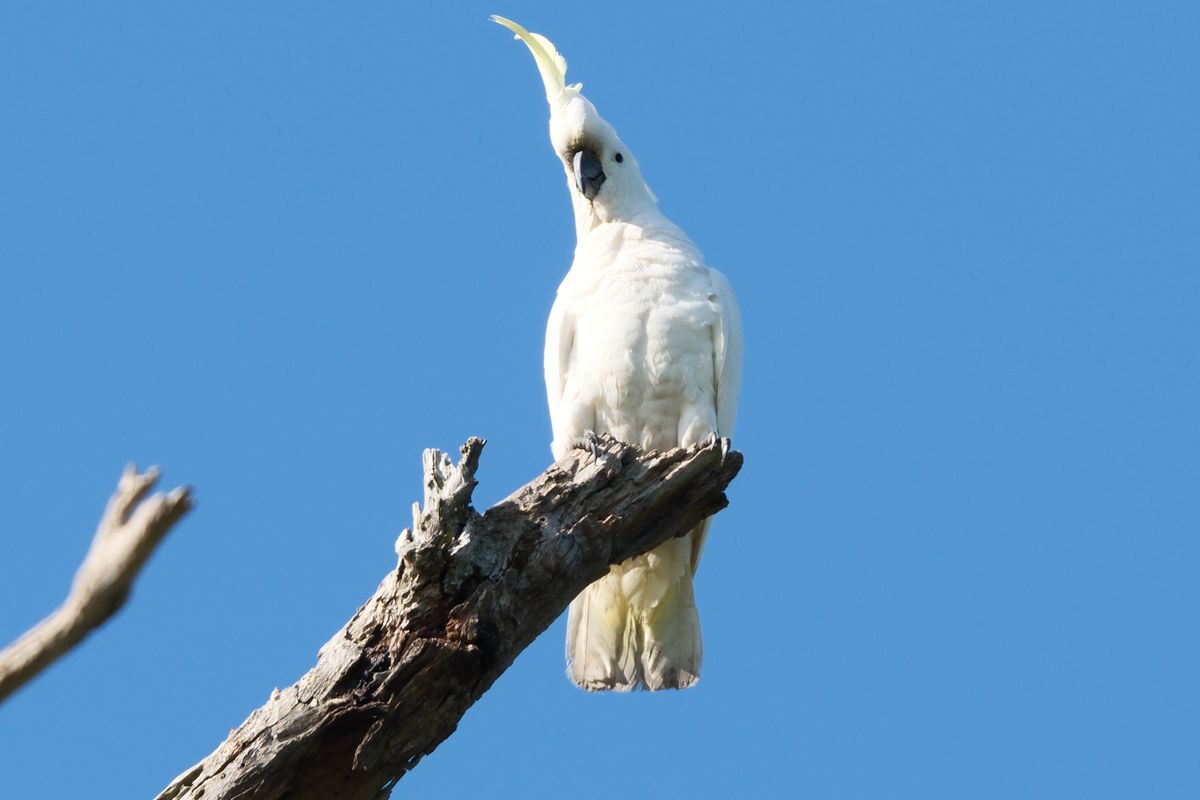
Psittacine beak and feather disease (PBFD) is one of the most serious viral diseases of parrots. Cockatoos are especially vulnerable. There’s no cure, but testing, good hygiene and supportive care can make a big difference. Here’s what bird owners should know about PBFD in cockatoos.
Quick Answer: PBFD is caused by a circovirus that damages feather follicles, the beak and the immune system. Signs include abnormal, pinched or missing feathers, loss of powder down and beak overgrowth or cracks. It spreads through feather dust, droppings and crop secretions. A PCR test can diagnose it. Quarantine and testing new birds are key to prevention.
What Is PBFD?
PBFD is caused by beak and feather disease virus (BFDV), a circovirus. It attacks fast-growing cells, including those that form feathers and beaks, and the immune system. Affected birds often die from secondary infections because their immune system can’t fight back.
The Merck Veterinary Manual describes PBFD as a disease of parrots in which feather and beak abnormalities are hallmark signs, with cockatoos commonly affected.
Which Birds Get PBFD?
Many parrot species can be infected, including:
- Cockatoos
- African greys
- Eclectus parrots
- Lovebirds
- Budgies and other parakeets
Young birds, usually under about 3 years old, are most often affected.
Signs of PBFD
Feather signs
- Abnormal new feathers that are pinched, curled, clubbed or stunted
- Feathers with blood still in the shaft long after they should have matured
- Loss of powder down, so the bird looks shiny or dirty rather than dusty
- Patches of missing feathers that don’t regrow
- In cockatoos, a “dirty” looking beak because powder down no longer cleans it
Beak and nail signs
- Overgrown, cracked or deformed beak
- Shiny, glossy beak in cockatoos that normally have a powdery beak
- Abnormal nail growth
Other signs
- Weight loss
- Lethargy
- Diarrhea
- Frequent infections
Acute form in young birds
Very young birds can develop sudden illness with depression, diarrhea and death within days or weeks.
How PBFD Spreads
The virus is very hardy and spreads through:
- Feather dust and dander
- Droppings
- Crop secretions when parents feed chicks
- Contaminated cages, perches, toys, clothing and hands
The virus can survive in the environment for a long time, which makes control challenging.
Diagnosis
Your avian vet can test for BFDV with a PCR test on blood and sometimes feather samples. A feather biopsy may also be used.
Some birds test positive and then clear the virus. A retest after about 90 days helps show whether a bird is persistently infected.
Treatment and Care
There’s no cure for PBFD. Care focuses on comfort and protecting the bird from other infections:
- Treating secondary bacterial or fungal infections
- A high-quality diet. See seeds vs. pellets for parrots.
- Keeping the bird warm, especially with feather loss
- Beak trimming as needed
- Reducing stress
- Regular vet checks
Some birds with chronic PBFD live for months or years with good care. Others decline more quickly.
Protecting Other Birds
| Step | Why it matters |
|---|---|
| Quarantine new birds for 30–90 days | Prevents introducing the virus |
| PCR test new birds before introduction | Identifies carriers |
| Keep infected birds in a separate air space | Feather dust carries the virus |
| Wash hands and change clothes between birds | Prevents spread on people |
| Disinfect cages and toys with suitable products | The virus survives in the environment |
Ask your vet which disinfectants are effective against circoviruses.
Is There a Vaccine?
Not commercially in most places. Research is ongoing.
When to Call Your Vet
Book an avian vet visit soon if your bird has:
- Abnormal new feathers or patches that don’t regrow
- Beak changes, cracks or overgrowth
- Loss of powder down
Seek urgent care if your bird:
- Is fluffed, weak or not eating
- Has diarrhea and is losing weight
Feather loss has many causes, so testing is important. See feather plucking in parrots and signs your bird is sick.
Frequently Asked Questions
Can PBFD spread to people, dogs or cats?
No. It affects parrots and related birds.
Can a bird recover from PBFD?
Some birds, especially adults, test positive and later clear the infection. Birds with feather and beak signs usually have persistent infection.
Should I get rid of my bird if it has PBFD?
Not necessarily. Many owners care for PBFD-positive birds for a long time. Your vet can help you protect other birds and plan care.
How long should I quarantine a new bird?
Many avian vets recommend at least 30 days, and up to 90 days when PBFD is a concern. Use a separate room and air space when possible.
This article is for general information only and isn’t a substitute for professional veterinary advice. If you’re worried about your pet’s health, contact your veterinarian or an emergency animal hospital.