Few things worry a parrot owner more than finding a pile of feathers on the cage floor and bare patches on their bird. Feather plucking in parrots is common, frustrating and often has more than one cause. This guide explains why it happens, why a vet visit should come first, and what you can do at home.
Quick Answer: Feather plucking (also called feather-destructive behavior) can be caused by medical problems such as skin infections, parasites, liver disease, poor nutrition or pain, or by behavioral issues like boredom, stress and hormones. Always rule out medical causes with an avian vet first, then work on diet, enrichment and routine.
Normal Molting vs. Plucking
All birds molt, replacing old feathers gradually. Some loose feathers on the cage floor are normal. Signs that point to plucking instead include:
- Bald patches, often on the chest, legs, under the wings or back
- Feathers that are chewed, frayed or snapped off
- Your bird pulling feathers out while you watch
- Feather loss that doesn’t regrow
- Plucked areas where the bird can reach, while the head stays fully feathered
If the head is also bald, that points to a medical cause or a cage-mate doing the plucking, since a bird can’t reach its own head.
Medical Causes
The Merck Veterinary Manual lists many medical problems that can lead to feather damaging behavior:
- Skin infections from bacteria or fungi
- Parasites, although these are less common in indoor pet birds than people think
- Nutritional deficiencies, especially vitamin A on seed-heavy diets
- Liver or kidney disease
- Allergies
- Viral infections, such as psittacine beak and feather disease (PBFD). See our guide to PBFD in cockatoos.
- Pain from arthritis, injury or internal problems
- Heavy metal toxicity from zinc or lead
- Dry indoor air
Behavioral and Environmental Causes
Parrots are intelligent, social animals. In the wild they spend most of the day foraging and flying with their flock. In a home, unmet needs can lead to plucking:
- Boredom and lack of foraging
- Too little attention or social time
- Stress from household changes, new pets or loud noises
- Not enough sleep (most parrots need 10 to 12 hours)
- Hormonal or breeding behavior
- Separation anxiety. Our article on cockatoo separation anxiety covers this in detail.
Once plucking starts, it can become a habit even after the trigger is removed.
Which Parrots Pluck Most?
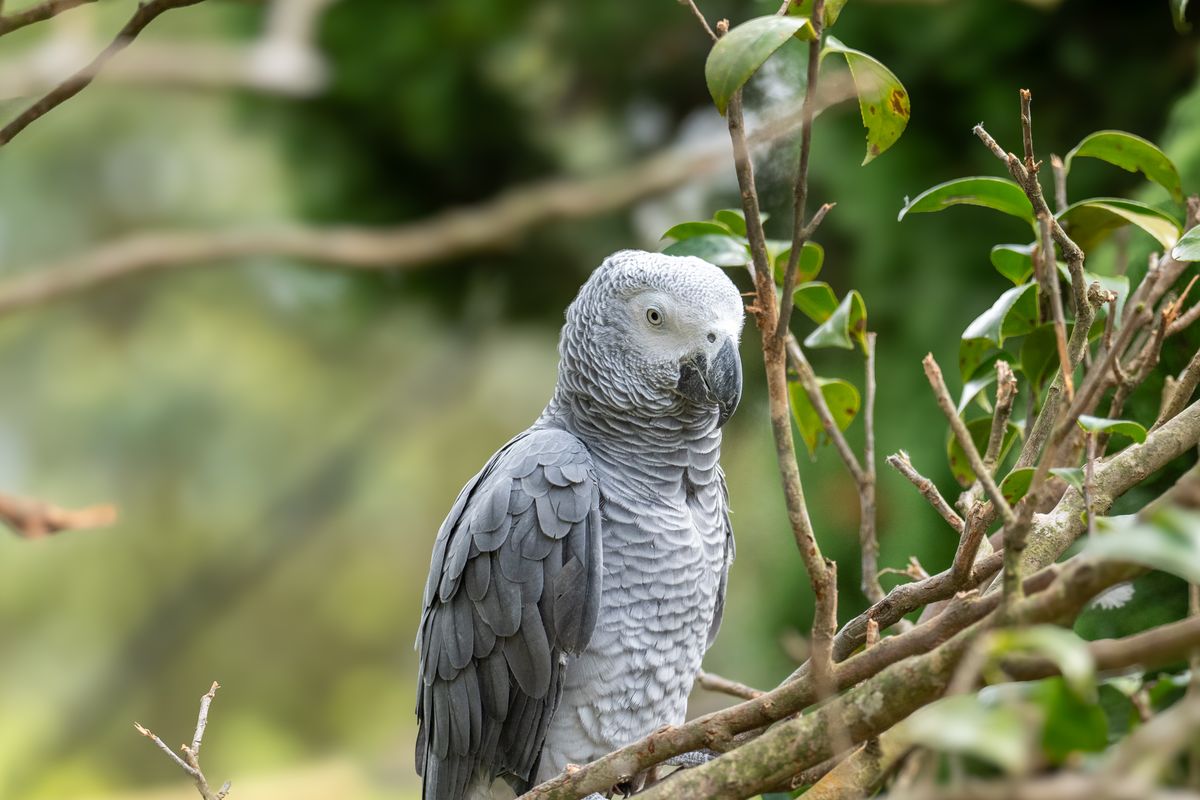
Any parrot can pluck, but African greys, cockatoos, eclectus and macaws are commonly affected.
What to Expect at the Vet
Because the causes overlap, your avian vet may recommend:
- A full physical exam and weight check
- Diet review
- Blood tests for organ function and heavy metals
- Skin or feather follicle samples
- Testing for viral diseases like PBFD
- X-rays in some cases
Treatment depends on the cause and may include medication, a diet change or a collar to stop plucking while skin heals.
How to Help at Home
Improve the diet
Move from a seed-only diet toward a formulated pellet diet with fresh vegetables. See our comparison of seeds vs. pellets for parrots.
Increase foraging and enrichment
- Hide food in paper cups, cardboard and foraging toys
- Rotate toys weekly
- Offer shreddable toys made from palm leaf, paper or soft wood
- See our list of parrot enrichment ideas
Support sleep
Give 10 to 12 hours of dark, quiet sleep. A separate sleep cage in a quiet room can help.
Bathing and humidity
Regular misting or shallow baths support healthy skin and feathers. A room humidifier can help in dry climates.
Keep a log
Track plucking episodes, along with diet, visitors, noise and changes in routine. Patterns can reveal triggers.
Things to Avoid
- Punishing your bird for plucking
- Over-the-counter “anti-pluck” sprays without a vet’s advice
- Bird collars without vet guidance, since they can cause stress
When to Call Your Vet
See an avian vet soon if your parrot:
- Has new bald patches or damaged feathers
- Is plucking and also eating less or losing weight
- Has changes in droppings
Get urgent care if:
- Your bird is bleeding from a plucked area
- Your bird has open wounds or is chewing into the skin
- Your bird is fluffed up, weak or sitting on the cage floor. See signs your bird is sick.
Frequently Asked Questions
Will plucked feathers grow back?
Often yes, if the follicles aren’t permanently damaged. Long-term plucking can damage follicles so feathers never return.
How long does it take to stop plucking?
It varies widely. Some birds improve in weeks, others take months. Habitual plucking may never fully stop but can often be reduced.
Is my bird plucking because it’s lonely?
Loneliness can contribute, but it’s rarely the only cause. A vet check is the right first step.
Can getting a second bird help?
Sometimes, but it can also add stress or lead to the new bird plucking the first. Talk to your vet first.
This article is for general information only and isn’t a substitute for professional veterinary advice. If you’re worried about your pet’s health, contact your veterinarian or an emergency animal hospital.