For decades, pet parrots were fed bowls of seed. We now know that an all-seed diet causes many health problems. But that doesn’t mean seeds are banned. This guide compares seeds vs pellets, explains what an ideal parrot diet looks like, and shows how to switch a seed-loving bird safely.
The Short Answer: For most pet parrots, a good target is roughly 60–80% formulated pellets, 20–30% fresh vegetables and some fruit, and a small amount of seeds and nuts as treats. Needs vary by species, so ask your avian vet about your bird’s ideal balance.
Why Seed-Only Diets Cause Problems
Seeds are tasty and high in fat, which is why birds love them. But seed mixes are low in many key nutrients. Birds also pick out their favorites, such as sunflower seeds, and leave the rest.
The Merck Veterinary Manual notes that seed-heavy diets are a leading cause of nutritional disease in pet birds. Problems linked to seed-only diets include:
- Vitamin A deficiency, which affects the skin, respiratory tract and immune system
- Obesity and fatty liver disease
- Calcium deficiency, which can cause egg-laying problems and weak bones
- Poor feather quality
Pellets vs. Seeds at a Glance
| Formulated pellets | Seed mixes | |
|---|---|---|
| Nutritional balance | Complete in every bite | Unbalanced; birds pick favorites |
| Fat content | Moderate | Often high |
| Vitamin A | Added | Usually low |
| Enrichment value | Low on their own | Higher, birds enjoy hulling |
| Risk of selective eating | Low | High |
| Best use | Main part of the diet | Treats and training |
What an Ideal Parrot Diet Looks Like
Pellets
A high-quality pellet should make up most of the diet for many species. Choose plain or naturally colored pellets sized for your bird.
Vegetables
Offer a daily mix of fresh vegetables, especially orange and dark green ones rich in vitamin A:
- Sweet potato (cooked)
- Carrots
- Bell peppers
- Broccoli
- Leafy greens like kale and dandelion
- Squash
Fruit
Fruit is healthy but sugary. Offer smaller amounts, such as berries, apple without seeds, mango and papaya.
Seeds and nuts
Use them for training rewards and foraging. Larger parrots like macaws need a bit more fat and may get more nuts, as advised by your vet.
Foods to avoid
Avocado, chocolate, caffeine, alcohol, salty and sugary snacks, and fruit pits. See our full list of toxic foods for parrots.
Species Differences
| Bird | Diet notes |
|---|---|
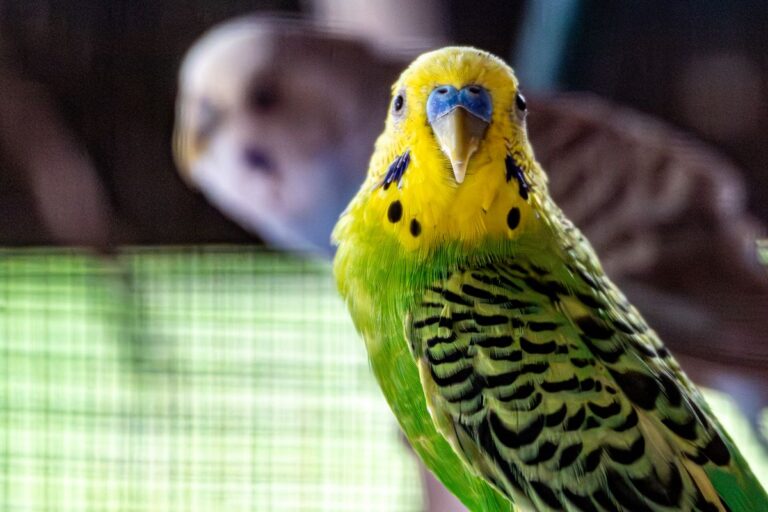
| Budgies and cockatiels | Can have a bit more seed in the diet (often around 20–25%), but still need pellets and greens |
| African greys | Need good calcium and vitamin A; prone to deficiencies |
| Amazons and cockatoos | Prone to obesity; limit seeds and nuts |
| Macaws | Need more fat; nuts are useful |
| Lories and lorikeets | Need nectar-based diets, not standard pellets |
How to Switch From Seeds to Pellets
Birds can be stubborn about new foods. Never remove seeds suddenly, since some birds won’t recognize pellets as food and can starve.
- Offer pellets in a separate bowl alongside the usual seed.
- Mix a few pellets into the seed, increasing slowly over 4 to 8 weeks.
- Eat pellets in front of your bird. Parrots often copy their flock.
- Try warm mashes, mixing pellets with cooked vegetables.
- Offer seed only at certain times, such as a short morning meal, then pellets the rest of the day.
- Weigh your bird daily with a gram scale during the switch.
If your bird loses more than about 10% of its body weight during a diet change, stop and call your avian vet.
When to Call Your Vet
Call your avian vet if your bird:
- Is losing weight
- Has dull, ragged feathers or feather plucking
- Has white plaques in the mouth or nasal discharge, which can be signs of vitamin A deficiency
- Refuses all food for a day
Frequently Asked Questions
Are pellets with colors bad?
Colored pellets aren’t necessarily harmful, but some birds pick only certain colors. Natural pellets help avoid selective eating.
Do parrots need grit?
Most parrots hull their seeds and don’t need grit. Too much grit can cause problems. Ask your vet.
Can I feed my parrot human food?
Many healthy human foods are fine, such as plain cooked vegetables, grains and beans. Avoid salt, sugar, butter and seasoning.
How long does a diet switch take?
Some birds switch in a few weeks, others take months. Patience and daily weight checks are key.
Are organic pellets better?
Organic pellets avoid certain pesticides and additives, but the most important factor is a complete, balanced formula from a reputable brand. Ask your vet which brands they trust.
Should I sprout seeds for my bird?
Sprouted seeds and legumes are a nutritious, lower-fat option many birds enjoy. Rinse them well and discard any that smell sour or look moldy.
This article is for general information only and isn’t a substitute for professional veterinary advice. If you’re worried about your pet’s health, contact your veterinarian or an emergency animal hospital.