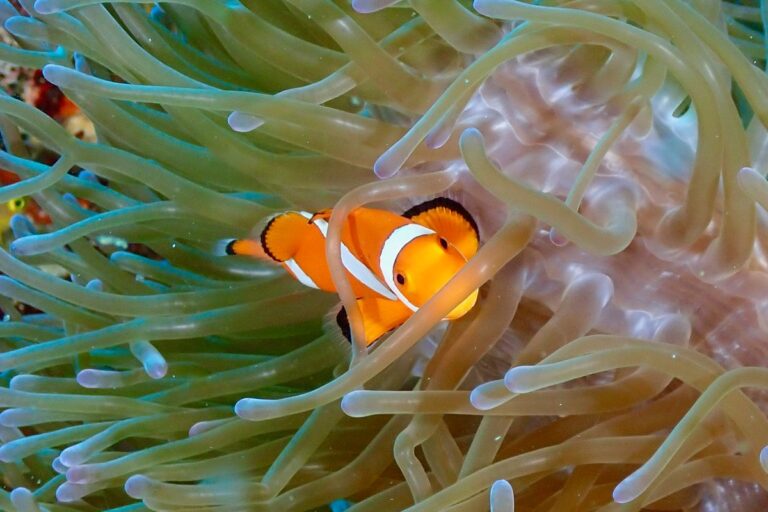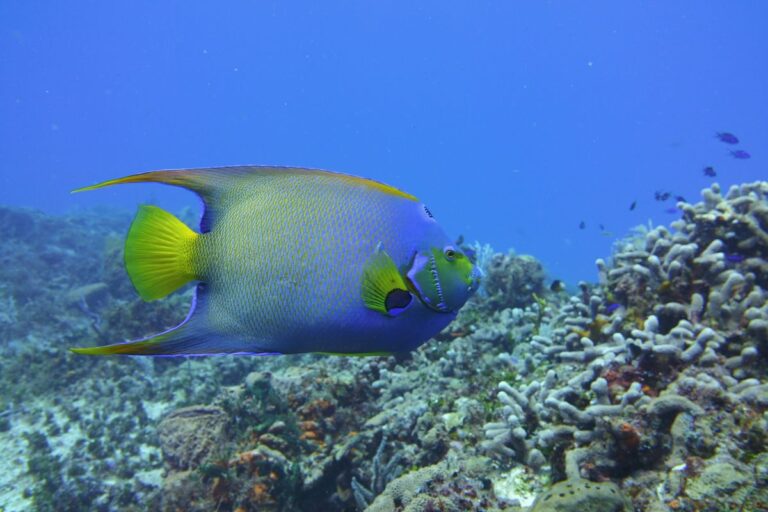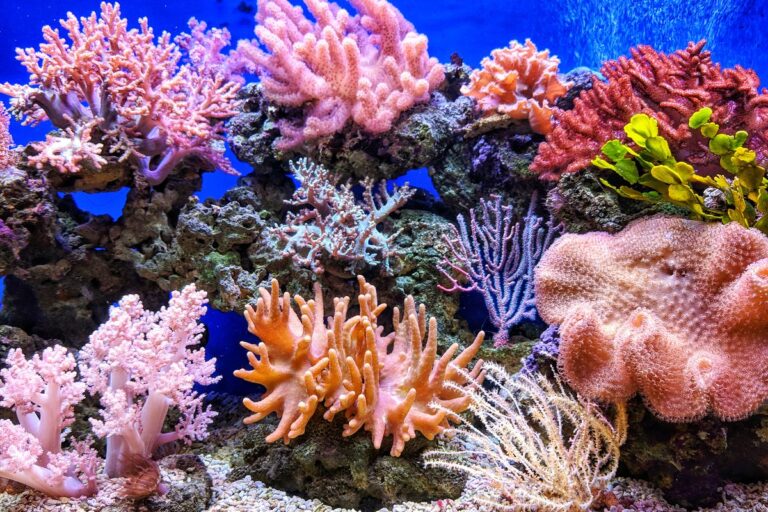
A saltwater aquarium brings a slice of the ocean into your home, with brilliant fish, moving corals and fascinating invertebrates. It’s more involved than a freshwater tank, but modern equipment has made it far more achievable. This step-by-step saltwater aquarium for beginners guide walks you through the essentials.
Quick Answer: Start with a tank of about 30–75 gallons, which is more stable than a small “nano.” You’ll need a filter or sump, heater, powerheads for water flow, lighting, live rock, sand, marine salt mix, a refractometer and test kits. Cycle the tank for 4 to 8 weeks before adding hardy fish slowly.
Step 1: Choose a Tank Size
Larger tanks are more forgiving because water conditions change more slowly.
| Tank size | Pros | Cons |
|---|---|---|
| Under 20 gallons (nano) | Low cost, small footprint | Unstable; small mistakes have big effects |
| 30–75 gallons | Stable, good fish choices | Moderate cost |
| 90+ gallons | Very stable, larger fish | Higher cost and weight |
Remember: water weighs about 8.3 pounds per gallon. A 75-gallon tank with rock and sand can weigh 800 pounds or more. Use a strong, level stand.
Step 2: Decide Fish-Only or Reef
- Fish-only (FO) or fish-only with live rock (FOWLR): simpler, fewer lighting needs.
- Reef tank: includes corals; needs stronger lighting and more stable water.
See reef-safe vs. fish-only tanks for help deciding.
Step 3: Gather Equipment
| Equipment | Purpose |
|---|---|
| Filtration (sump, hang-on-back or all-in-one tank) | Removes waste |
| Protein skimmer | Removes dissolved organic waste |
| Heater | Keeps water stable, usually 76–80°F (24–27°C) |
| Powerheads | Create water movement |
| Lighting | Supports corals and shows off fish |
| Live rock | Provides biological filtration and hiding places |
| Sand | Natural substrate |
| Marine salt mix and RO/DI water | Correct salinity without impurities |
| Refractometer | Measures salinity accurately |
| Test kits | Ammonia, nitrite, nitrate, pH, alkalinity |
Step 4: Mix Saltwater
Use reverse osmosis/deionized (RO/DI) water to avoid chlorine, metals and phosphates in tap water. Mix salt to a specific gravity of about 1.024–1.026. Let it circulate and heat for 24 hours before use.
Step 5: Aquascape
Arrange live rock to create caves and open swimming space. Leave space between rock and glass for cleaning and flow.
Step 6: Cycle the Tank
The nitrogen cycle builds beneficial bacteria that turn toxic ammonia into nitrite, then nitrate. It typically takes 4 to 8 weeks. See our full guide on how to cycle a saltwater tank.
Step 7: Add Fish Slowly
Start with 1 to 2 hardy fish, then add more every few weeks. See best saltwater fish for beginners.
Always quarantine new fish before adding them to your display tank.
Step 8: Build a Maintenance Routine
Regular testing and water changes keep fish healthy. See our saltwater aquarium maintenance schedule.
Startup Budget Tips
- Buy the best heater and RO/DI water source you can afford.
- Used tanks can save money, but check for leaks and clean thoroughly.
- Don’t skimp on test kits.
- Consider all-in-one tanks for simpler setups.
Common Beginner Mistakes
- Adding fish before the tank is cycled
- Adding too many fish at once
- Using tap water
- Ignoring salinity changes from evaporation
- Overfeeding
- Skipping quarantine
- Choosing incompatible fish. See peaceful saltwater community fish.
The Merck Veterinary Manual highlights water quality as the single most important factor for fish health.
When to Get Help
Contact an aquatic vet or experienced local fish store if:
- Fish are gasping at the surface
- You see white spots or a dusty coating on fish
- Several fish die suddenly. See why are my saltwater fish dying.
Frequently Asked Questions
Is saltwater harder than freshwater?
It requires more equipment and attention to water chemistry, but many beginners succeed with patience and a solid routine.
How long before I can add fish?
Usually 4 to 8 weeks, once ammonia and nitrite read zero.
Can I use table salt?
No. Use a marine salt mix designed for aquariums.
How much does a saltwater tank cost to set up?
Costs vary widely depending on size and equipment. A modest fish-only setup costs less than a large reef tank with advanced lighting.
Do I need a sump?
No, but sumps add water volume, hide equipment and make maintenance easier. Many beginners start with an all-in-one tank that has built-in filtration chambers.
What’s the hardest part of a saltwater tank?
For most beginners, it’s patience: waiting for the cycle, adding fish slowly and resisting the urge to change too many things at once.
Can I keep corals right away?
Wait until the tank has been stable for a few months. Start with hardy soft corals before trying more demanding species.
This article is for general information only and isn’t a substitute for professional veterinary advice. If you’re worried about your pet’s health, contact your veterinarian or an emergency animal hospital.