UVB lighting is essential for many reptiles. It allows them to make vitamin D3, which they need to absorb calcium. Without enough UVB, species such as bearded dragons can develop metabolic bone disease. The Arcadia ProT5 UVB Kit is a popular all-in-one fixture with a reflector and a high-output T5 tube. This review looks at its strengths, its limits and how to set it up safely.
The Short Answer: The Arcadia ProT5 UVB Kit is a well-regarded UVB fixture with a strong reflector and a choice of tube strengths. It’s a good option for many species, but its output means distance and tube choice matter a lot. Measure UVB if you can and follow the maker’s distance guidance.
Key Details
| Feature | Details |
|---|---|
| Type | T5 HO UVB fixture with reflector and tube |
| Tube options | Several strengths, such as 6% and 12% (check current range) |
| Lengths | Multiple lengths to match enclosure size |
| Mounting | Inside the enclosure or on top of mesh |
| Replacement | Arcadia generally recommends replacing tubes about every 12 months |
What It Is and How It Works
The kit combines a slim controller unit, a polished aluminum reflector and a T5 high-output UVB tube. The reflector directs more light downward, which boosts UVB at basking level.
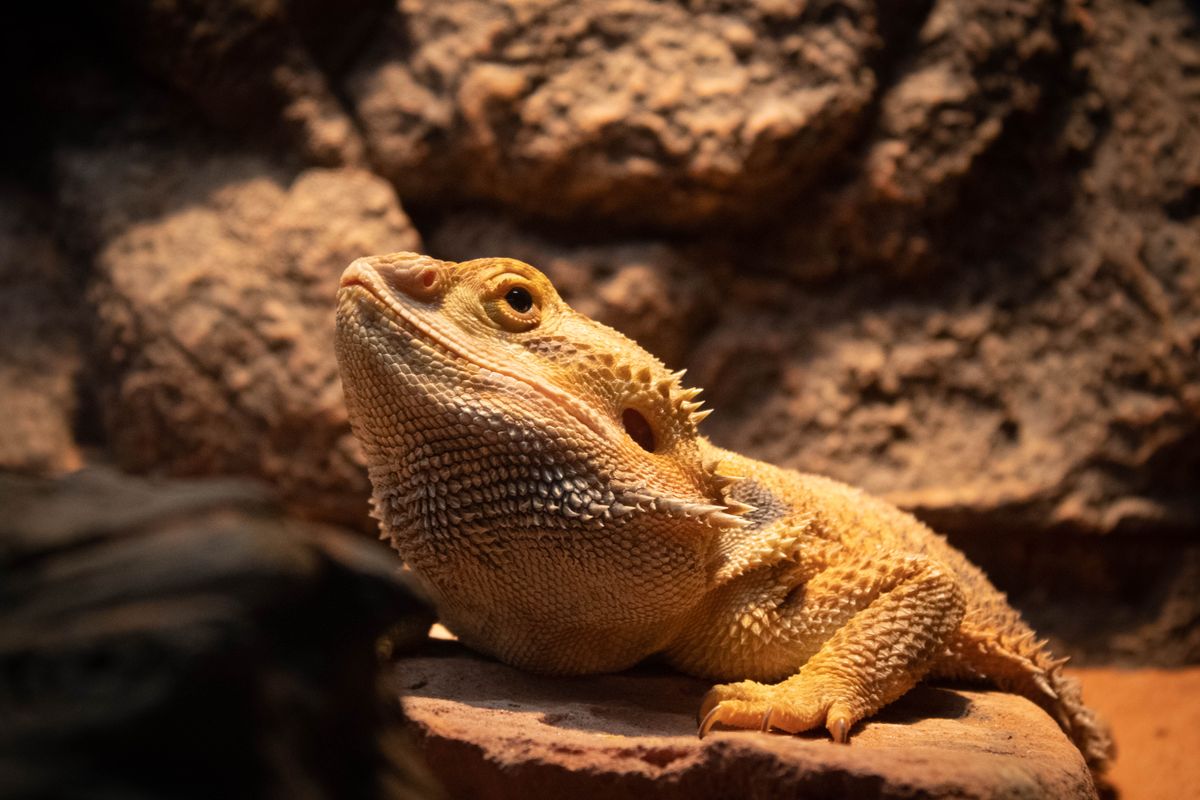
Tube choice matters. Lower-strength tubes are generally used for forest or shade-dwelling species. Higher-strength tubes are used for desert species that bask in strong sun, such as bearded dragons.
Learn more in bearded dragon lighting and metabolic bone disease in geckos.
What We Like
- Strong UVB output with reflector
- Several tube strengths and lengths
- Slim fixture is easy to mount
- Well regarded by many keepers
- Can cover a large basking zone
Drawbacks
- Strong output means distance must be set carefully
- Tubes need replacing about yearly
- Higher upfront cost than basic fixtures
- Mesh tops reduce output and change the needed distance
How UVB Strength Works
UVB output depends on three things: the strength of the tube, the distance to your reptile and what sits between them.
| Factor | Why it matters |
|---|---|
| Tube strength | Higher-percentage tubes suit desert sun-baskers; lower ones suit forest or shade species |
| Distance | UVB drops quickly as distance increases |
| Mesh screens | Mesh between the lamp and animal can block a large share of UVB |
| Tube age | Output falls over time, even if the tube still lights up |
Many keepers use a UV index meter to check the reading at basking level. Care sheets often describe target ranges by “Ferguson zone,” which groups species by how much sun they typically get in the wild. Match the setup to your species, and provide shaded areas so your reptile can move away from the light.
Things to Consider Before Buying
- Choose the tube strength for your species.
- Pick a length that covers about half to two-thirds of the enclosure.
- Check whether the lamp will sit above mesh or inside the enclosure.
- Follow the maker’s distance guidance.
- Mark the date you install each tube.
Tips for Using It
- Use a UV index meter if you can to check basking-level readings.
- Position the UVB near the basking spot so your reptile gets heat and UVB together.
- Provide shaded areas so your reptile can choose its exposure.
Who It Suits
| Good fit if… | Consider something else if… |
|---|---|
| You keep a species that needs UVB | Your enclosure is very small and short |
| You want a strong, efficient fixture | You can’t set an appropriate distance |
| You have a medium or large enclosure |
Alternatives to Consider
| Option | How it differs |
|---|---|
| Zoo Med ReptiSun T5 HO Hood | Similar fixture type, widely available |
| Compact UVB bulbs | Less coverage, often lower output |
| Mercury vapor bulbs | Provide heat and UVB, but need careful use |
When to Call Your Vet
Contact your vet if:
- Your reptile has soft or swollen limbs or jaw
- Your reptile has tremors or trouble walking
- Your reptile has eye swelling or squinting after a lighting change
Frequently Asked Questions
Which Arcadia ProT5 tube should I buy?
Choose based on your species. Desert sun-baskers often use a higher-strength tube, while forest or shade species typically use a lower-strength tube. Check a reliable care sheet or ask a reptile vet.
How far should the ProT5 be from my reptile?
It depends on the tube, mounting and whether there’s mesh in between. Follow Arcadia’s distance charts and confirm with a UV meter if possible.
Does UVB pass through glass?
No. Ordinary glass and most plastics block UVB. The lamp needs a clear path or a mesh top.
How often should I replace the tube?
Arcadia generally recommends about every 12 months. Output drops over time even if the tube still lights.
Can UVB be too strong?
Yes. Too much UVB can cause eye or skin problems. Proper distance and shade areas help prevent this.
Do nocturnal reptiles need UVB?
Many nocturnal and crepuscular species benefit from low-level UVB. Ask your vet or check species guidance.
Should the UVB be on a timer?
Yes. Most keepers use a timer to provide a consistent day-night cycle, often around 12 hours.
Can I use the ProT5 with a heat lamp?
Yes. Place the basking heat lamp near the UVB so your reptile gets both together.
Pet Health Man is independent and isn’t paid by the brands we review. Product formulas, specifications and prices change, so check the current label or the manufacturer’s information before you buy.
This article is for general information only and isn’t a substitute for professional veterinary advice. If you’re worried about your pet’s health, contact your veterinarian or an emergency animal hospital.