Layer feed is the foundation of a laying hen’s diet. It provides the protein, vitamins and calcium hens need to stay healthy and produce eggs. Purina Layena is one of the most widely sold layer feeds in the United States. This review looks at what it offers and what backyard flock owners should consider.
Verdict at a Glance: Purina Layena is a complete, widely available layer feed that meets the needs of most laying hens when fed as the main diet. It’s sold in pellets and crumbles at a moderate price. It isn’t organic or soy-free, and it shouldn’t be fed to chicks or young pullets because of its calcium content.
At a Glance
| Feature | Details |
|---|---|
| Type | Complete layer feed |
| Protein | About 16% (check current tag) |
| Calcium | Elevated for eggshell production (check current tag) |
| Forms | Pellets and crumbles |
| Best for | Laying hens from the start of lay |
What It Is and How It Works
Layena is a complete feed, which means it’s designed to provide everything a laying hen needs when it makes up most of her diet. It contains protein for egg production, calcium for strong shells and added vitamins and minerals.
Pellets usually produce less waste than crumbles, since hens can’t easily flick small pieces out of the feeder. Some hens that were raised on crumbles prefer them at first.
Many owners still offer free-choice oyster shell, since calcium needs vary between hens. See why chickens stop laying eggs and backyard chickens 101.
Pros and Cons
| Pros | Cons |
|---|---|
| Complete layer nutrition | Not suitable for chicks or young pullets |
| Widely available | Not organic or soy-free |
| Pellet and crumble options | Crumbles can be wasted |
| Moderate price | Some owners prefer whole-grain feeds |
| Long track record |
Feeding the Right Birds the Right Feed
Layer feed is designed for hens that are actively laying. A few rules help keep the whole flock healthy:
| Bird | Typical feed |
|---|---|
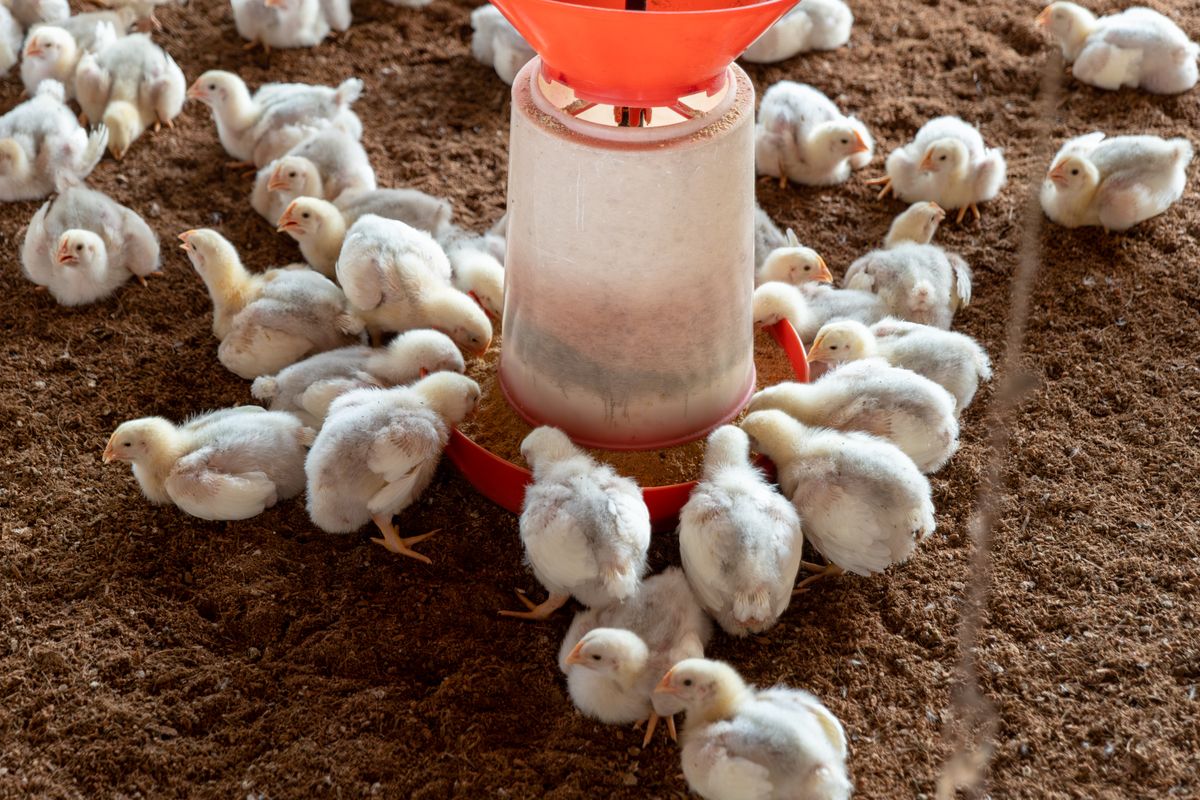
| Chicks (hatch to about 6 to 8 weeks) | Chick starter |
| Growing pullets | Grower or starter-grower until laying begins, often around 16 to 20 weeks |
| Laying hens | Layer feed, plus free-choice oyster shell |
| Mixed flocks with roosters, non-layers or young birds | All-flock or grower feed, with oyster shell on the side for layers |
Layer feed contains extra calcium for eggshells. Too much calcium can harm the kidneys of growing birds, so chicks and young pullets shouldn’t eat it. Treats and scratch grains should make up no more than about 10% of the diet, or they dilute the nutrition in the feed. See what to feed backyard chickens.
Things to Consider Before Buying
- Switch to layer feed only when hens start laying.
- Use a different feed if you have mixed ages or roosters.
- Choose pellets to reduce waste.
- Store feed in a sealed, rodent-proof container.
- Check the mill date and use feed within a few months.
Tips for Using It
- Mix old and new feed for a week when switching.
- Offer oyster shell in a separate dish.
- Keep feed dry to prevent mold.
Who It Suits
| Good fit if… | Consider something else if… |
|---|---|
| You have laying hens | You have chicks or young pullets |
| You want a widely available, affordable feed | You want organic or soy-free feed |
| You prefer a complete pelleted feed |
Alternatives to Consider
| Option | How it differs |
|---|---|
| Scratch and Peck Organic Layer | Organic whole-grain feed |
| Nutrena NatureWise Layer | Another widely sold layer feed |
| All-flock feed with oyster shell | For mixed flocks |
When to Call Your Vet
Contact your vet if:
- Hens stop laying suddenly outside of molt or winter
- Eggs have very thin or soft shells
- Hens seem lethargic or lose weight
Frequently Asked Questions
Is Purina Layena good for laying hens?
Yes. It’s a complete layer feed formulated for laying hens and is one of the most widely used. Most hens do well on it as their main diet.
Can chicks eat Layena?
No. Chicks need starter feed. The extra calcium in layer feed can harm the kidneys of growing birds.
When should I switch my hens to Layena?
Switch when hens start laying, often around 16 to 20 weeks, or when the first eggs appear. Mix it with grower feed over about a week.
Should I choose pellets or crumbles?
Pellets usually create less waste. Crumbles may suit hens that were raised on crumbles or birds with small beaks.
Can roosters eat Layena?
Many flock owners with mixed flocks feed an all-flock feed instead and offer oyster shell on the side. Ask your vet if you’re unsure.
Do I need oyster shell if I feed Layena?
Many owners offer it free-choice as a backup. Hens that need extra calcium will eat it.
How much Layena does a hen eat?
Many hens eat roughly a quarter pound of feed a day, but it varies with size, weather and laying. Keep feed available throughout the day.
How long does a bag of feed last?
Use feed within a few months of the mill date. Old feed loses vitamin content and can go stale or moldy.
Pet Health Man is independent and isn’t paid by the brands we review. Product formulas, specifications and prices change, so check the current label or the manufacturer’s information before you buy.
This article is for general information only and isn’t a substitute for professional veterinary advice. If you’re worried about your pet’s health, contact your veterinarian or an emergency animal hospital.