Snakes can make quiet, fascinating and low-maintenance pets. But not every species is beginner friendly. Some grow huge, need very specific humidity or are nervous and bite-prone. This guide covers the best pet snakes for beginners and what each needs.
Quick Answer: Corn snakes are often considered the best first snake: they’re docile, hardy, stay a manageable size and eat readily. Ball pythons, kingsnakes, milk snakes, rosy boas and western hognose snakes are also popular choices, each with their own quirks.
Top Beginner Snakes at a Glance
| Species | Adult length | Lifespan | Temperament | Care level |
|---|---|---|---|---|
| Corn snake | 3–5 ft (0.9–1.5 m) | 15–20 years | Calm, curious | Easy |
| Ball python | 3–5 ft (0.9–1.5 m) | 20–30+ years | Shy, gentle | Easy to moderate |
| California kingsnake | 3–4 ft (0.9–1.2 m) | 15–20+ years | Active, usually tolerant | Easy |
| Milk snake (smaller subspecies) | 2–4 ft (0.6–1.2 m) | 15–20 years | Can be flighty when young | Easy |
| Rosy boa | 2–3 ft (0.6–0.9 m) | 20–30 years | Very calm | Easy |
| Western hognose | 1.5–3 ft (0.5–0.9 m) | 15–20 years | Dramatic but rarely bites | Easy to moderate |
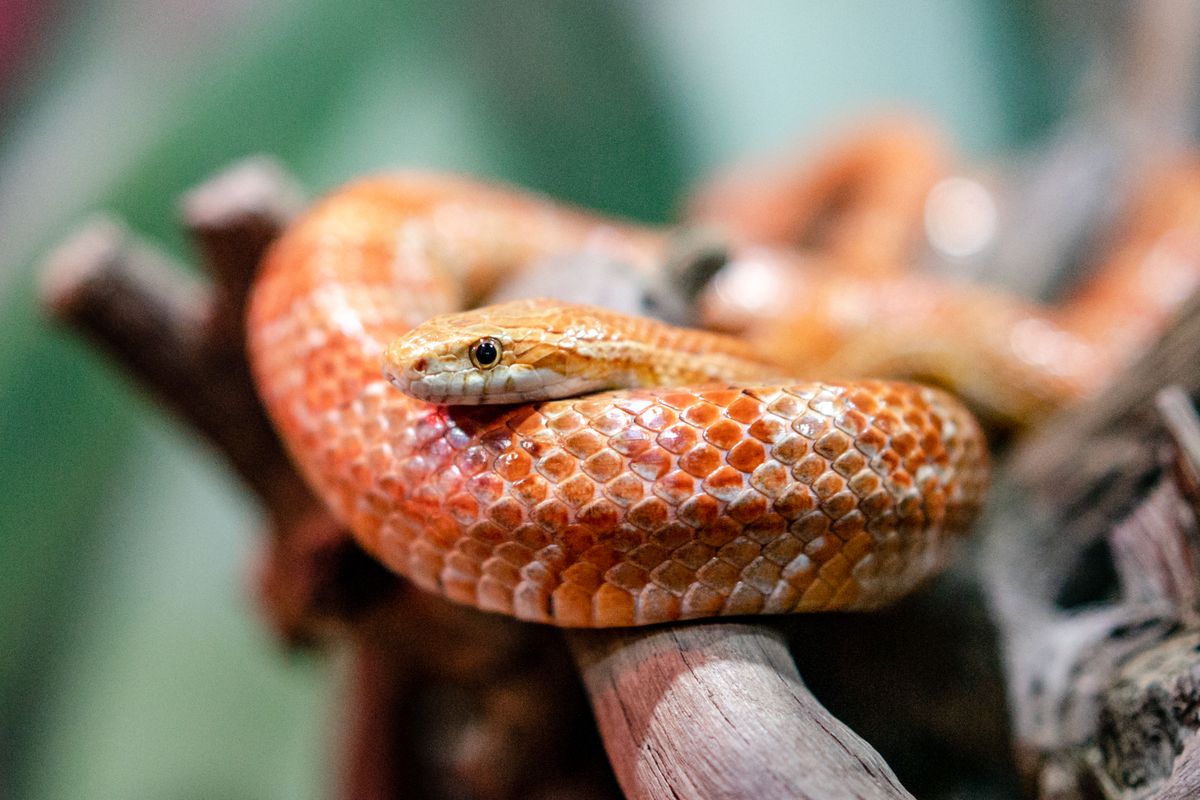
Corn Snakes
Corn snakes are gentle, come in many colors and patterns, and usually eat frozen-thawed mice without fuss. They’re active and enjoy climbing and exploring.
Good for: first-time owners and families with older children.
Ball Pythons
Ball pythons are calm and heavy-bodied. They’re named for curling into a ball when nervous. They need higher humidity than corn snakes and are famous for occasionally refusing meals. See why won’t my ball python eat.
Good for: beginners who don’t mind fine-tuning humidity.
Kingsnakes and Milk Snakes
These close relatives are hardy and colorful. Kingsnakes have big appetites and may mistake hands for food, so use tongs at feeding time. They eat other snakes, so always house them alone.
Rosy Boas
Rosy boas are small, slow-moving and very docile. They need a dry setup and are great for people who want a calm, easily handled snake.
Western Hognose Snakes
Hognoses are known for dramatic bluffing: hissing, flattening their neck and even playing dead. Most are harmless to people. They can be picky eaters when young. Note that hognoses have mild venom from rear fangs; bites are rare and usually cause only local swelling.
Snakes Beginners Should Avoid
- Large constrictors like Burmese pythons and reticulated pythons
- Green tree pythons and other species with demanding humidity needs
- Any venomous species
- Wild-caught snakes, which often carry parasites and stress easily
Basic Setup Needs
- Secure enclosure: snakes are escape artists. Use locking lids.
- Heat gradient: a warm side and a cool side, controlled with a thermostat.
- Hides: at least one on each side.
- Water bowl: large enough to soak in for many species.
- Substrate: aspen for corn snakes and kingsnakes; coconut husk or cypress mulch for ball pythons.
- Humidity: matched to the species.
Feeding
Most pet snakes eat appropriately sized rodents. Frozen-thawed prey is safer than live, because live rodents can injure snakes.
| Snake age | Typical feeding frequency |
|---|---|
| Hatchlings | Every 5–7 days |
| Juveniles | Every 7–10 days |
| Adults | Every 10–21 days, depending on species |
Health Basics
Watch for:
- Wheezing, bubbles or open-mouth breathing. See respiratory infections in snakes.
- Tiny black or red dots moving on the skin or in the water bowl. See snake mites.
- Stuck shed, especially eye caps
- Weight loss or regurgitation
The Merck Veterinary Manual recommends choosing captive-bred reptiles and learning their needs before purchase. Find a vet before you need one. See how to find a reptile vet.
Questions to Ask Before Buying
- Is the snake captive-bred?
- Is it eating frozen-thawed prey reliably?
- When did it last shed and eat?
- How large will it get?
- Has it been checked for mites?
When to Call Your Vet
Call a reptile vet if your snake:
- Has trouble breathing or mucus in the mouth
- Regurgitates meals
- Has swellings, wounds or burns
- Refuses food for an unusually long time and is losing weight
Frequently Asked Questions
Do pet snakes like to be handled?
Snakes don’t seek affection like mammals, but many tolerate regular gentle handling well.
Are snakes good pets for kids?
With adult supervision, calm species like corn snakes can be good for older children. Hygiene is important because reptiles can carry Salmonella.
How big a tank does a corn snake need?
Adults typically need at least a 40-gallon breeder (36 x 18 in) enclosure, and larger is better.
How often do snakes shed?
Young snakes shed every few weeks as they grow. Adults may shed every 1 to 3 months.
This article is for general information only and isn’t a substitute for professional veterinary advice. If you’re worried about your pet’s health, contact your veterinarian or an emergency animal hospital.