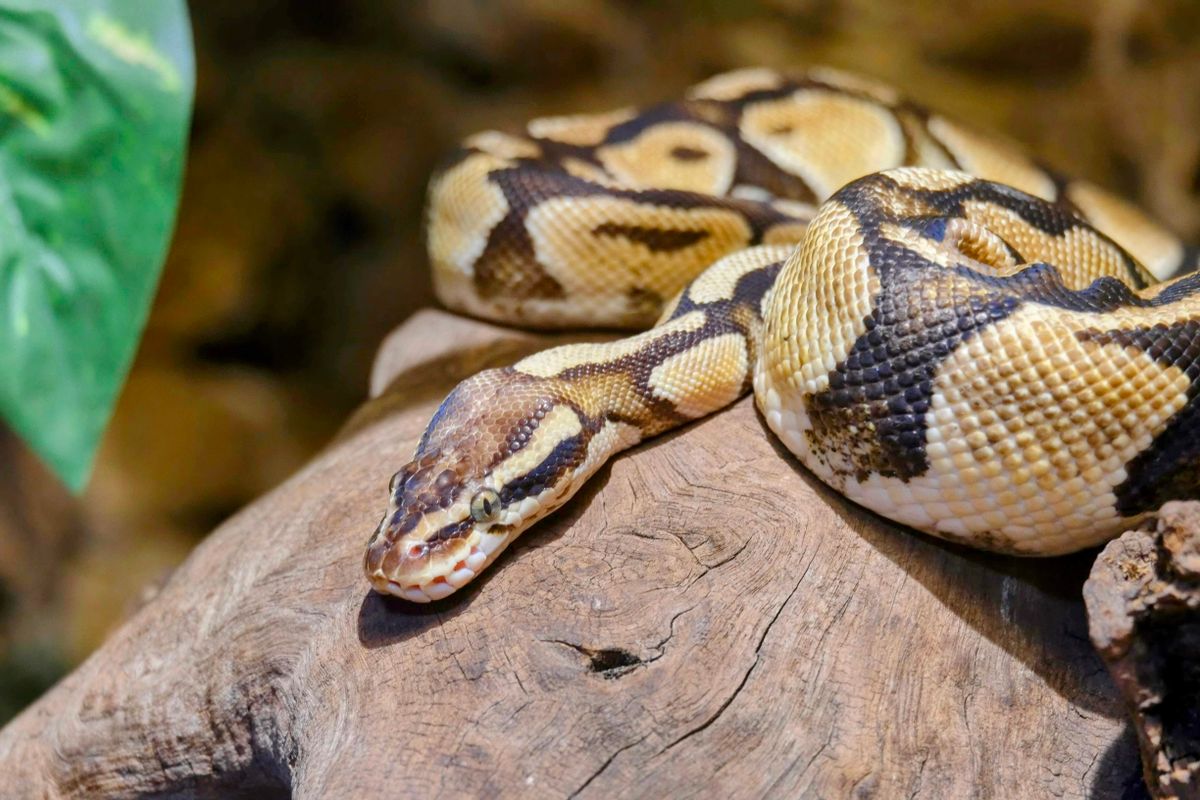
Respiratory infections, often called RIs, are among the most common illnesses in pet snakes. They usually start with husbandry problems like low temperatures or poor humidity. Caught early, most RIs respond well to treatment. Left alone, they can become pneumonia. Here’s what to know about respiratory infections in snakes.
Quick Answer: Signs include wheezing or clicking, bubbles or mucus around the nose or mouth, open-mouth breathing and holding the head raised. Most RIs are bacterial and linked to cool temperatures, wrong humidity or dirty enclosures. A reptile vet can prescribe antibiotics, and fixing the habitat is essential for recovery.
What Causes Respiratory Infections?
Snakes rely on their environment to control body temperature. When they’re too cold, their immune system slows down and bacteria can take hold. The Merck Veterinary Manual notes that respiratory disease in reptiles is commonly linked to poor husbandry.
Common contributing factors:
- Temperatures too low, especially the warm side
- Humidity too high or too low for the species
- Dirty enclosures with bacteria buildup
- Poor ventilation
- Stress from handling, moving or a crowded room
- Other infections, such as mouth rot (infectious stomatitis)
- Viral diseases in some cases, such as nidovirus in pythons
Signs of a Respiratory Infection
| Sign | What it looks like |
|---|---|
| Wheezing or clicking | Noises when breathing |
| Bubbles | Around nostrils or mouth |
| Mucus | Thick saliva or discharge in the mouth |
| Open-mouth breathing | Mouth open while resting |
| “Stargazing” posture | Head held up to ease breathing |
| Lethargy | Less active, hiding more |
| Not eating | Refusing meals |
Occasional open-mouth stretching or yawning after a meal is normal. Repeated or ongoing open-mouth breathing is not.
What to Do at Home Right Away
- Check temperatures on the warm side, cool side and basking area with a digital thermometer or temperature gun.
- Check humidity with a hygrometer.
- Clean the enclosure and replace soiled substrate.
- Separate the sick snake from others.
- Book a vet visit.
Raising temperatures slightly within your species’ safe range can support the immune system, but it doesn’t cure infection on its own.
Ideal Ranges for Common Species
| Species | Warm side | Cool side | Humidity |
|---|---|---|---|
| Ball python | 88–92°F (31–33°C) | 76–80°F (24–27°C) | 55–70% |
| Corn snake | 85–90°F (29–32°C) | 72–78°F (22–26°C) | 40–60% |
| Kingsnake | 85–90°F (29–32°C) | 72–78°F (22–26°C) | 40–60% |
Vet Treatment
A reptile vet will examine your snake, look in the mouth and listen for abnormal sounds. Tests may include:
- A swab or wash from the airway to identify bacteria
- X-rays to check the lungs
- Bloodwork
Treatment often includes:
- Injectable antibiotics, usually over several weeks
- Nebulization in some cases
- Fluids if dehydrated
- Husbandry corrections
Most snakes improve within a couple of weeks, but complete treatment is important.
How to Prevent Respiratory Infections
- Use thermostats on all heat sources.
- Keep humidity within the right range for your species.
- Clean water bowls frequently and spot-clean waste right away.
- Do a deep clean of the enclosure regularly.
- Quarantine new snakes for at least 60 to 90 days.
- Check new snakes for mites.
- Avoid drafty locations.
RIs and Feeding
A snake with an RI often stops eating. If your ball python refuses food, check for respiratory signs. See why won’t my ball python eat.
When to Call Your Vet
Get prompt care if your snake:
- Is breathing with its mouth open
- Has bubbles or mucus at the nose or mouth
- Is holding its head up for long periods
- Is very lethargic
Book a visit if:
- You hear occasional wheezing or clicking
- Your snake has stopped eating along with any breathing change
Frequently Asked Questions
Can a snake RI go away on its own?
Very mild cases sometimes improve with husbandry fixes, but many need antibiotics. It’s safest to see a vet.
Is it contagious to my other snakes?
It can be, especially if caused by certain viruses or bacteria. Quarantine and good hygiene help protect other reptiles.
Can I treat a snake RI at home?
Home care supports recovery, but prescription medication is usually needed. Never use antibiotics without a vet’s prescription.
Can high humidity cause an RI?
Yes. Humidity that’s too high, especially with poor ventilation and wet substrate, can contribute.
How long do snakes need antibiotics for an RI?
Many courses last 2 to 4 weeks, depending on the drug and severity. Your vet may recheck your snake before stopping treatment.
Should I mist my snake if it has an RI?
Only if humidity is too low for your species. Raising humidity above the right range can make things worse. Follow your vet’s advice on humidity during recovery.
This article is for general information only and isn’t a substitute for professional veterinary advice. If you’re worried about your pet’s health, contact your veterinarian or an emergency animal hospital.