Chronic kidney disease (CKD) is one of the most common illnesses in older cats. It can’t be cured, but with early detection and good management many cats live comfortably for years. Here’s what to know about chronic kidney disease in cats, from signs and stages to diet and care.
Quick Answer: CKD is a gradual loss of kidney function. Early signs include drinking and urinating more, weight loss and a poor appetite. Vets stage CKD using bloodwork and urine tests. Treatment often includes a kidney-friendly diet, fluids, medications for blood pressure and protein loss, and regular monitoring.
What Do the Kidneys Do?
The kidneys filter waste from the blood, balance fluids and minerals, help control blood pressure and make hormones that support red blood cell production. When they lose function, waste builds up and many body systems are affected.
The Cornell Feline Health Center notes that CKD is very common in cats, especially as they age.
Signs of Kidney Disease
Early signs
- Drinking more water
- Urinating more (bigger clumps in the litter box)
- Mild weight loss
- Picky appetite
Later signs
- Vomiting
- Bad breath with an ammonia smell
- Mouth ulcers
- Dehydration
- Weakness and lethargy
- Poor coat
- Constipation
How CKD Is Diagnosed
Your vet may recommend:
| Test | What it shows |
|---|---|
| Creatinine and BUN | Waste products in the blood |
| SDMA | An earlier marker of kidney function |
| Urine specific gravity | How well kidneys concentrate urine |
| Urine protein:creatinine ratio | Protein loss through the kidneys |
| Blood pressure | Hypertension is common with CKD |
| Phosphorus and potassium | Mineral imbalances |
| Ultrasound or X-rays | Kidney size and structure |
IRIS Stages
The International Renal Interest Society (IRIS) stages CKD from 1 to 4 based mainly on creatinine and SDMA, with substages for protein in the urine and blood pressure.
| Stage | Description |
|---|---|
| 1 | Early changes; often no outward signs |
| 2 | Mild disease; may drink more |
| 3 | Moderate disease; more signs |
| 4 | Advanced disease; significant illness |
Staging guides treatment and monitoring.
Treatment and Management
Kidney diet
Prescription renal diets are restricted in phosphorus and adjusted in protein. Studies show they can help cats with CKD live longer and feel better. Switch gradually.
Hydration
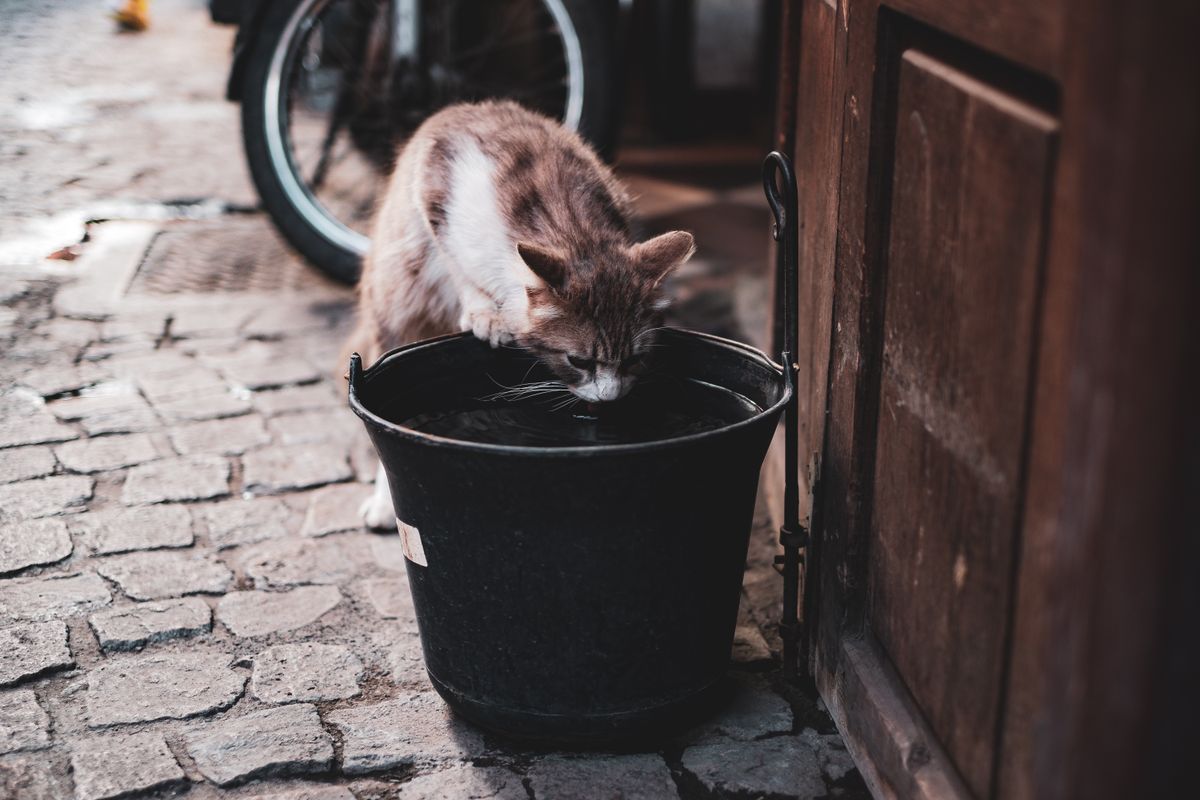
- Encourage drinking with fountains and multiple bowls.
- Feed wet food.
- Your vet may teach you to give subcutaneous fluids at home.
Track how much your cat drinks each day so you can spot changes early.
Medications
- Phosphate binders
- Blood pressure medication
- Medication to reduce protein loss
- Anti-nausea drugs and appetite stimulants
- Potassium supplements
- Treatment for anemia
Regular monitoring
Bloodwork, urine tests and blood pressure checks every few months help your vet adjust care.
Living With CKD
| Task | Why |
|---|---|
| Weigh monthly | Catch weight loss |
| Track water intake | Changes signal progression |
| Watch appetite | Nausea is common |
| Keep litter boxes clean | Monitor urine output |
| Keep vet rechecks | Adjust treatment early |
Can CKD Be Prevented?
Not always, since aging plays a big role. But you can:
- Keep up with yearly (or twice-yearly for seniors) wellness exams with bloodwork
- Encourage water intake and wet food
- Keep toxins like lilies and antifreeze away. See toxic plants for cats.
- Treat dental disease. See cat dental disease.
When to Call Your Vet
Get urgent care if your cat:
- Stops eating for more than a day
- Is vomiting repeatedly
- Is very weak or hiding
Book a visit if your cat:
- Is drinking or urinating more
- Is losing weight
- Has bad breath and a poor appetite
Frequently Asked Questions
How long can a cat live with kidney disease?
It varies widely. Many cats diagnosed early live several years with good management.
Is kidney disease painful?
CKD itself isn’t usually described as painful, but nausea, mouth ulcers and dehydration can make cats feel unwell.
Can kidney disease be reversed?
Chronic kidney damage can’t be reversed, but treatment can slow progression and improve quality of life.
Should I give my cat less protein?
Renal diets adjust protein carefully. Don’t restrict protein on your own; follow your vet’s advice.
Are some breeds at higher risk?
Persians and related breeds can inherit polycystic kidney disease, and some other breeds may have higher risk.
Is giving fluids at home hard?
Many owners learn quickly with guidance from their vet team. Most cats tolerate it well.
Does CKD cause high blood pressure?
Often, yes. High blood pressure can damage the eyes, heart and brain, so regular checks are important.
Can cats with CKD eat treats?
Small amounts of kidney-friendly treats may be fine. Ask your vet, since many treats are high in phosphorus or salt.
This article is for general information only and isn’t a substitute for professional veterinary advice. If you’re worried about your pet’s health, contact your veterinarian or an emergency animal hospital.