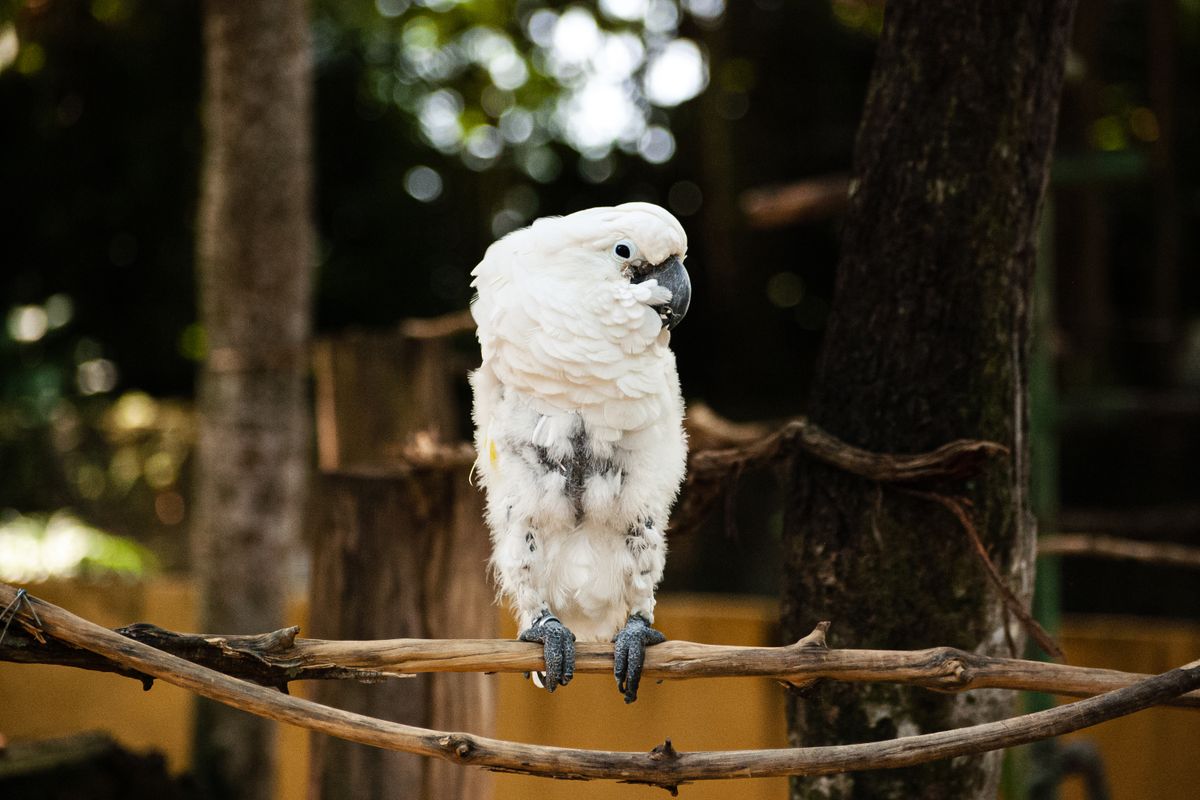
Cockatoos form deep bonds with their people. That’s part of their charm, but it can also lead to distress when their favorite person leaves. Cockatoo separation anxiety is common and can show up as screaming, feather plucking or destructive behavior. The good news is that with patience, most cockatoos can learn to feel safe on their own.
Quick Answer: Separation anxiety happens when a cockatoo becomes overly dependent on one person for comfort and attention. Signs include screaming when you leave, plucking and refusing to eat alone. The fix is gradual: build independent play, practice short absences, keep a routine and avoid constant cuddling.
Why Cockatoos Are Prone to It
In the wild, cockatoos live in flocks and are rarely alone. Many pet cockatoos were also hand-raised, which can make them strongly attached to people. Cuddling, which cockatoos often love, can encourage hormonal behavior and over-bonding. When the person who provides all that attention leaves, the bird may panic.
Signs of Separation Anxiety
- Loud, repeated screaming when you leave the room or house
- Feather plucking or chewing, often worse when alone. See feather plucking in parrots.
- Self-mutilation, such as chewing skin
- Refusing food or toys when alone
- Pacing, rocking or repetitive movements
- Clinginess and only wanting one person
- Aggression toward other family members
Common Triggers
| Trigger | Example |
|---|---|
| Sudden schedule changes | Returning to work after time at home |
| Over-cuddling | Long periods of petting under the wings or on the back |
| One-person bonding | Only one family member handles the bird |
| Lack of independent play skills | Bird has never learned to forage or play alone |
| Moving or household changes | New home, new pets, new baby |
How to Help Your Cockatoo Feel Secure
1. Teach independent play
Start with simple foraging and shreddable toys. Sit nearby at first, then move farther away while your bird plays. See our list of parrot enrichment ideas.
2. Practice short absences
- Leave the room for 30 seconds, then return calmly.
- Slowly increase the time to a few minutes.
- Keep departures and returns low-key. No big goodbyes or excited greetings.
3. Use a contact call
Whistle or say a word as you leave the room. When your bird calls back, answer. This reassures your bird without rewarding screaming. Our guide on how to stop parrot screaming explains this in more detail.
4. Change how you show affection
Limit petting to the head and neck. Petting the back, under the wings or near the tail can stimulate breeding behavior and deepen dependence. Replace some cuddle time with training and play.
5. Involve the whole family
Ask other household members to feed, train and play with the bird. A cockatoo that trusts several people copes better when one is away.
6. Keep a consistent routine
Regular meal, play and bedtime schedules help your cockatoo know what to expect.
7. Leave a “busy box” when you go
Give a special foraging toy only when you leave. Your bird will start to associate your departure with something good.
8. Protect sleep
Make sure your cockatoo gets 10 to 12 hours of dark, quiet sleep. Tired birds are more anxious.
What Not to Do
- Don’t punish screaming or plucking.
- Don’t rush back every time your bird screams.
- Don’t suddenly cut off all attention. Changes should be gradual.
Will Getting Another Bird Help?
Sometimes a second bird provides company, but it’s not a guaranteed fix. A new bird may be ignored, bullied or bring disease. Talk to your vet and consider quarantine and testing first.
Setting Up the Space for Calm
A secure cage with a wall at the back, plenty of toys and a view of household activity helps. See our cockatoo cage setup guide.
When to Call Your Vet or a Behavior Expert
See an avian vet if your cockatoo:
- Is plucking feathers or chewing skin
- Has wounds or bleeding
- Is losing weight or refusing food
- Has a sudden change in behavior
Medical problems can look like anxiety, and some birds benefit from medication alongside training. A certified parrot behavior consultant can also help.
Frequently Asked Questions
How long does it take to improve separation anxiety?
Many birds show progress in a few weeks, but deeply ingrained habits can take months. Consistency matters more than speed.
Should I leave the TV or radio on?
Some birds find background sound comforting. It works best alongside foraging toys and a solid routine.
Is my cockatoo angry when I leave?
Most likely it’s anxious, not angry. Your bird is calling for its flock.
Can a rehomed cockatoo learn to be calm alone?
Yes. Many rehomed cockatoos settle well with patience, routine and independent play training.
Is it okay to take my cockatoo everywhere with me?
It may seem kind, but constant contact can make dependence worse. Short, regular periods of independent time are healthier in the long run.
This article is for general information only and isn’t a substitute for professional veterinary advice. If you’re worried about your pet’s health, contact your veterinarian or an emergency animal hospital.