Parrots are naturally loud. In the wild, they call to their flock at dawn and dusk, and when they’re separated. A little noise is normal. Constant screaming, though, usually means a need isn’t being met. This guide explains the causes of parrot screaming and training tips that actually work.
Key Takeaways:
- Some daily calling, especially morning and evening, is normal and can’t be eliminated.
- Excessive screaming often comes from boredom, attention-seeking or a lack of sleep.
- Ignore screaming and reward quiet or softer sounds.
- Teach a “contact call,” like a whistle, so your bird has a better way to check in.
Why Do Parrots Scream?
Flock calling
Parrots call to locate flock members. When you leave the room, your bird may scream to find you.
Attention-seeking
If screaming makes you come running, even to say “quiet!”, your bird learns that screaming works.
Boredom
A parrot without enough foraging, toys or interaction may scream to fill the time.
Not enough sleep
Most parrots need 10 to 12 hours of dark, quiet sleep. Tired parrots can be cranky and noisy.
Fear or alarm
A hawk outside the window, a new object or a loud noise can trigger alarm calls.
Hormones
Breeding season and hormonal behavior can increase noise.
Pain or illness
A sudden change in vocalizing can signal a health problem. See our guide to signs your bird is sick.
How to Stop Parrot Screaming: Step by Step
1. Rule out medical causes
If the screaming started suddenly, see an avian vet first.
2. Don’t reward screaming
Avoid yelling back, covering the cage as punishment, or rushing over. Wait for a pause of a few seconds, then respond.
3. Reward quiet and pleasant sounds
When your bird is playing quietly, talking softly or whistling, give attention, praise or a small treat. This teaches which behaviors earn your company.
4. Teach a contact call
Pick a whistle or word. When you leave the room, use it. When your bird answers with the same sound, reply. Your parrot learns it can check in without screaming.
5. Increase enrichment
- Foraging toys and hidden food
- Shreddable toys
- Puzzle feeders
- New toys rotated weekly
See our list of parrot enrichment ideas.
6. Set a predictable routine
Feed, play and settle for bed at similar times each day. Predictability reduces anxiety-driven noise.
7. Give your bird a job
Training sessions with target sticks, step-up practice and simple tricks provide mental exercise. Even 10 minutes twice a day helps.
8. Adjust the cage location
Place the cage where your bird can see family activity but has one side against a wall for security. Avoid windows facing busy outdoor areas or predators.
What Not to Do
| Avoid | Why |
|---|---|
| Yelling at your bird | Sounds like flock calling and can make it louder |
| Squirting with water as punishment | Damages trust |
| Covering the cage during the day as punishment | Causes stress and confusion |
| Giving treats to stop screaming | Rewards the screaming |
Which Parrots Are Loudest?
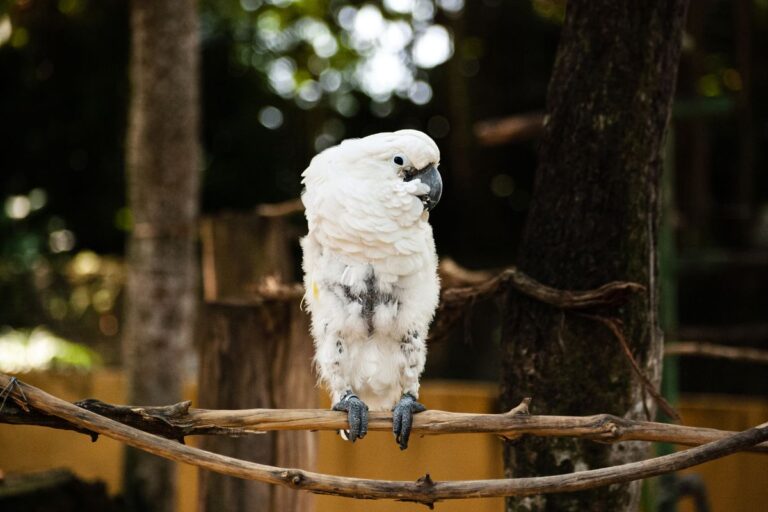
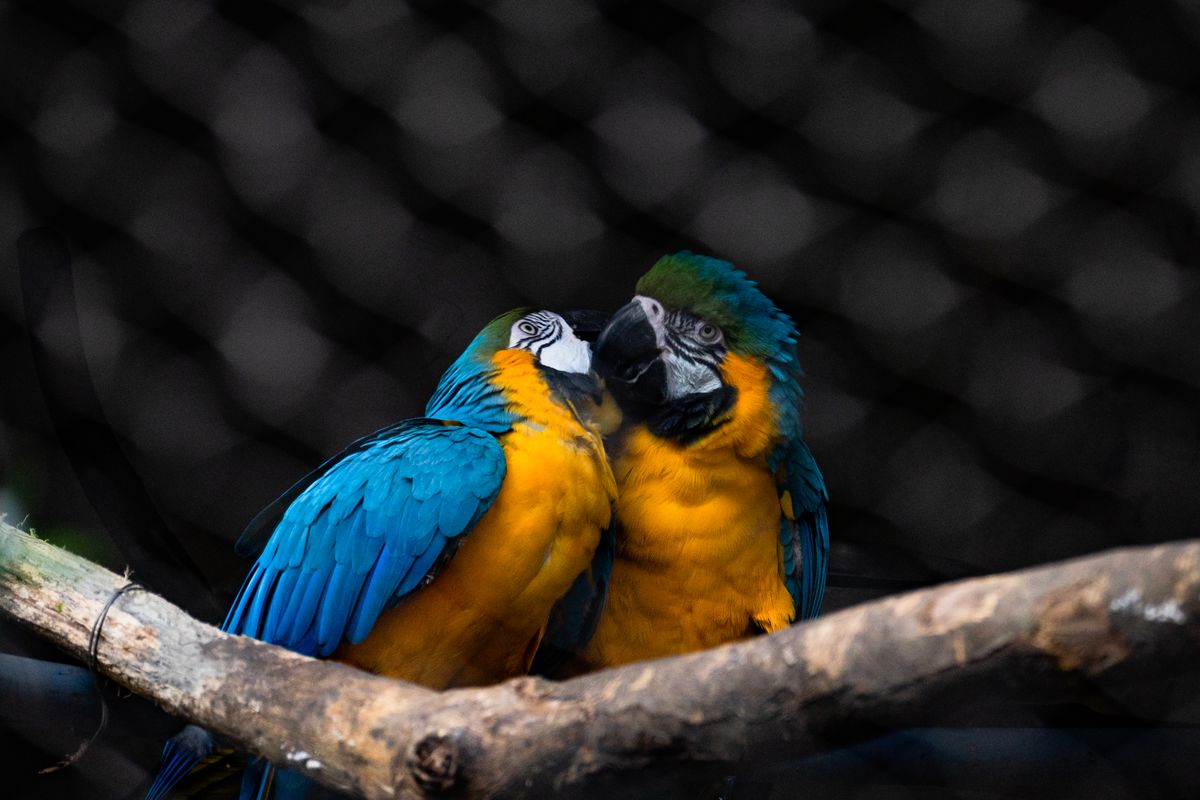
Cockatoos, macaws, conures and Amazons are among the loudest. If noise is a concern before you adopt, consider species like budgies, parrotlets or Pionus parrots. See our guide on whether cockatoos are good pets.
When to Call Your Vet or a Behavior Expert
See an avian vet if your parrot:
- Suddenly screams more or differently than usual
- Also shows fluffed feathers, weight loss or changes in droppings
- Is plucking feathers. See feather plucking in parrots.
If screaming continues despite these steps, a certified parrot behavior consultant can help.
Frequently Asked Questions
How long does it take to reduce screaming?
Many owners notice improvement in a few weeks with consistent training. Long-standing habits can take longer.
Should I cover my parrot’s cage to stop screaming?
Covering at bedtime for sleep is fine. Covering during the day to stop screaming can cause stress and doesn’t address the cause.
Is it normal for parrots to scream at sunrise?
Yes. Morning and evening flock calls are natural and healthy.
Does getting a second bird reduce screaming?
Sometimes it does, but two birds can also be twice as loud. Make sure you can meet both birds’ needs first.
Why does my parrot scream when I leave the room?
Your bird is likely calling for its flock, which is you. A consistent contact call and a short, calm goodbye routine often help.
Can white noise help?
Some owners find soft background sounds or music calm their birds when alone. It won’t fix the cause, but it can help as part of a routine.
Should I use a bark collar or noise deterrent?
No. These devices cause fear and stress and can make behavior worse. Positive training is safer and more effective.
This article is for general information only and isn’t a substitute for professional veterinary advice. If you’re worried about your pet’s health, contact your veterinarian or an emergency animal hospital.