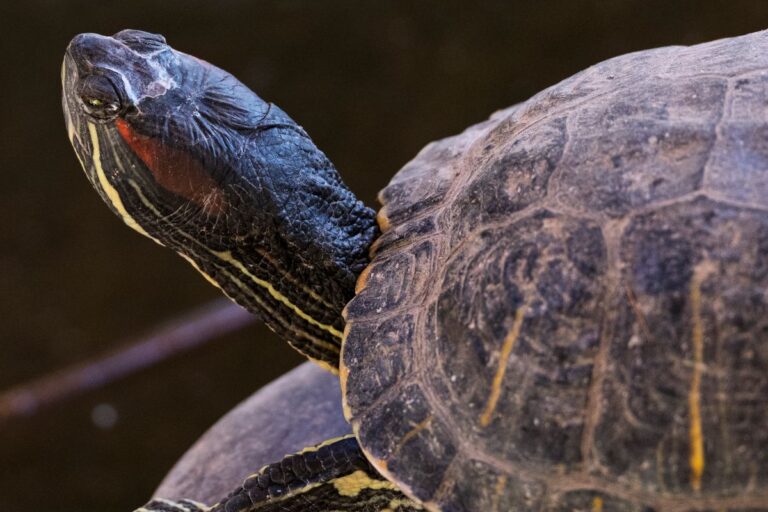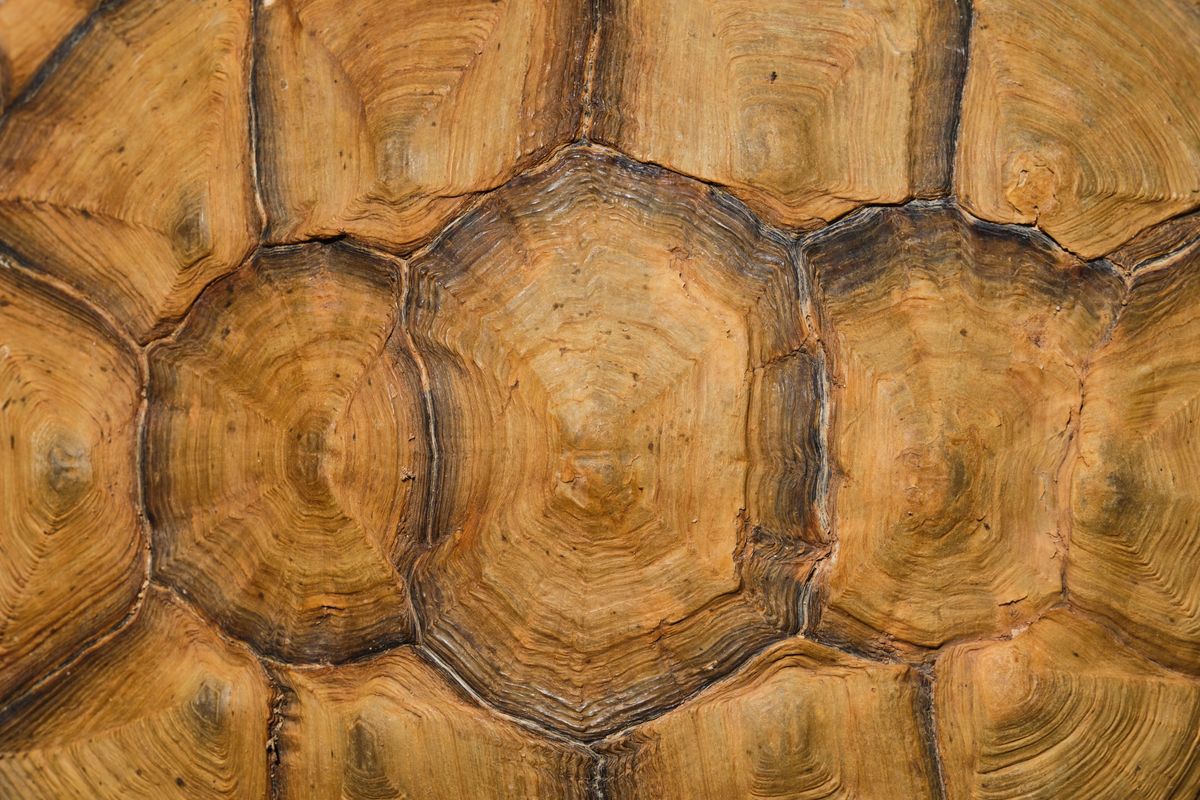
A turtle’s shell is living tissue made of bone covered by keratin plates called scutes. When it’s damaged or kept in dirty, damp conditions, bacteria and fungi can invade. This is called shell rot. Caught early, it’s very treatable. Left alone, it can spread to the bone and bloodstream. Here’s how to recognize and treat shell rot in turtles.
Quick Answer: Shell rot (ulcerative shell disease) is an infection of the shell caused by bacteria or fungi, usually after injury or poor water quality, lack of basking or low UVB. Signs include soft spots, pits, white or discolored patches, flaking scutes, foul odor or fluid. See a reptile vet for cleaning and medication, and fix the habitat to stop it coming back.
What Causes Shell Rot?
The Merck Veterinary Manual notes that shell infections in turtles are usually linked to husbandry problems. Common causes include:
- Dirty water with high ammonia or nitrite
- No dry basking area, so the shell never fully dries
- Low basking temperatures
- Inadequate UVB lighting, which weakens the shell
- Injuries, such as scrapes, bites from tank-mates or burns from unprotected heat lamps
- Poor diet, especially vitamin A deficiency. See vitamin A deficiency in turtles.
- Rough or sharp tank decor
Signs of Shell Rot
| Sign | What it may look like |
|---|---|
| Pitting | Small craters in the scutes |
| Soft spots | Areas that feel spongy when pressed gently |
| Discoloration | White, gray, red or dark patches |
| Flaking or lifting scutes | Beyond normal shedding |
| Fluid or pus | Under the scutes or from pits |
| Foul smell | From the shell |
| Fuzzy growth | Possible fungal infection |
Normal shedding vs. shell rot
Many aquatic turtles shed thin, clear, whole scutes. That’s normal. Shell rot looks different: the tissue underneath is pitted, discolored, soft or smelly.
Dry vs. Wet Shell Rot
- Dry shell rot: often fungal; looks dry, crumbly or flaky.
- Wet shell rot: often bacterial; may ooze fluid and smell bad. It can spread faster and may lead to septicemia (blood infection).
What Your Vet Will Do
A reptile vet may:
- Examine the shell and the rest of the body.
- Gently remove dead or infected tissue.
- Take samples to identify bacteria or fungi.
- Prescribe topical antiseptics or medication.
- Give injectable antibiotics or antifungals for deeper infections.
- Check for septicemia in serious cases, which can cause redness under the bottom shell (plastron) and lethargy.
“Dry docking”
Your vet may recommend keeping an aquatic turtle out of water for part of each day so the shell can dry and medication can work. Turtles still need access to water for drinking, eating and hydration, so follow your vet’s schedule.
Home Care Tips
- Follow your vet’s cleaning routine exactly.
- Keep the turtle in a clean, warm hospital tank during treatment.
- Offer water at least daily for soaking and eating.
- Don’t use household chemicals or random creams on the shell.
Never peel off scutes that aren’t ready to come off. It can expose sensitive tissue and spread infection.
How to Prevent Shell Rot
- Keep water clean. Use a strong filter rated for at least two to three times your tank volume, and do regular partial water changes.
- Provide a dry basking area where your turtle can fully climb out.
- Set proper basking temperatures, typically around 85–95°F (29–35°C) for many common aquatic species.
- Use UVB lighting and replace bulbs as the maker recommends, often every 6 to 12 months.
- Feed a balanced diet. See what pet turtles eat.
- Remove sharp decor and separate aggressive tank-mates.
- Guard heat lamps so turtles can’t touch them.
Our aquatic turtle tank setup guide covers all of these in detail.
When to Call Your Vet
Book a reptile vet visit soon if you see:
- Pits, soft spots or discoloration
- Flaking scutes with damaged tissue underneath
Seek urgent care if your turtle:
- Has a foul smell or fluid coming from the shell
- Has red patches under the plastron
- Is lethargic, not eating or floating abnormally
Frequently Asked Questions
Is shell rot contagious?
The bacteria and fungi involved are often present in the environment and take advantage of weak or damaged shells. Clean the habitat and watch other turtles closely.
Can shell rot heal completely?
Mild cases often heal well, though the shell may keep some scarring. Deep infections take longer and need vet care.
Can tortoises get shell rot?
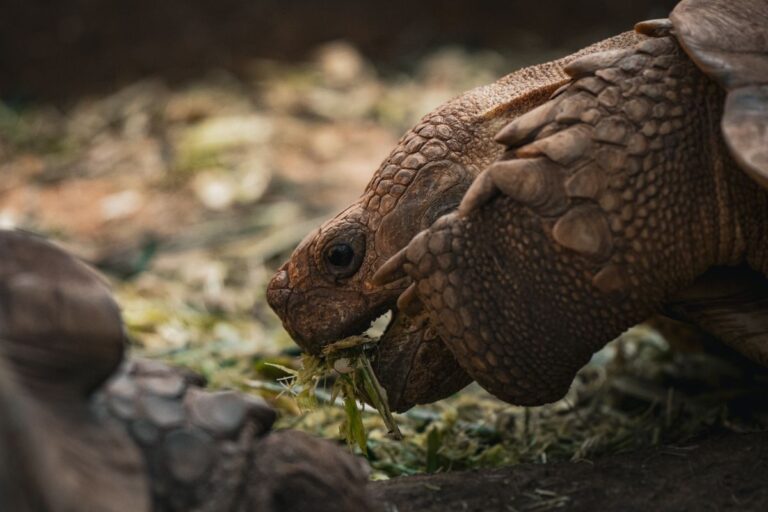
Yes. Tortoises can develop shell infections, often from damp, dirty bedding or injuries.
How long does treatment take?
Mild cases may improve in a few weeks. Deep or wet infections can take months.
This article is for general information only and isn’t a substitute for professional veterinary advice. If you’re worried about your pet’s health, contact your veterinarian or an emergency animal hospital.