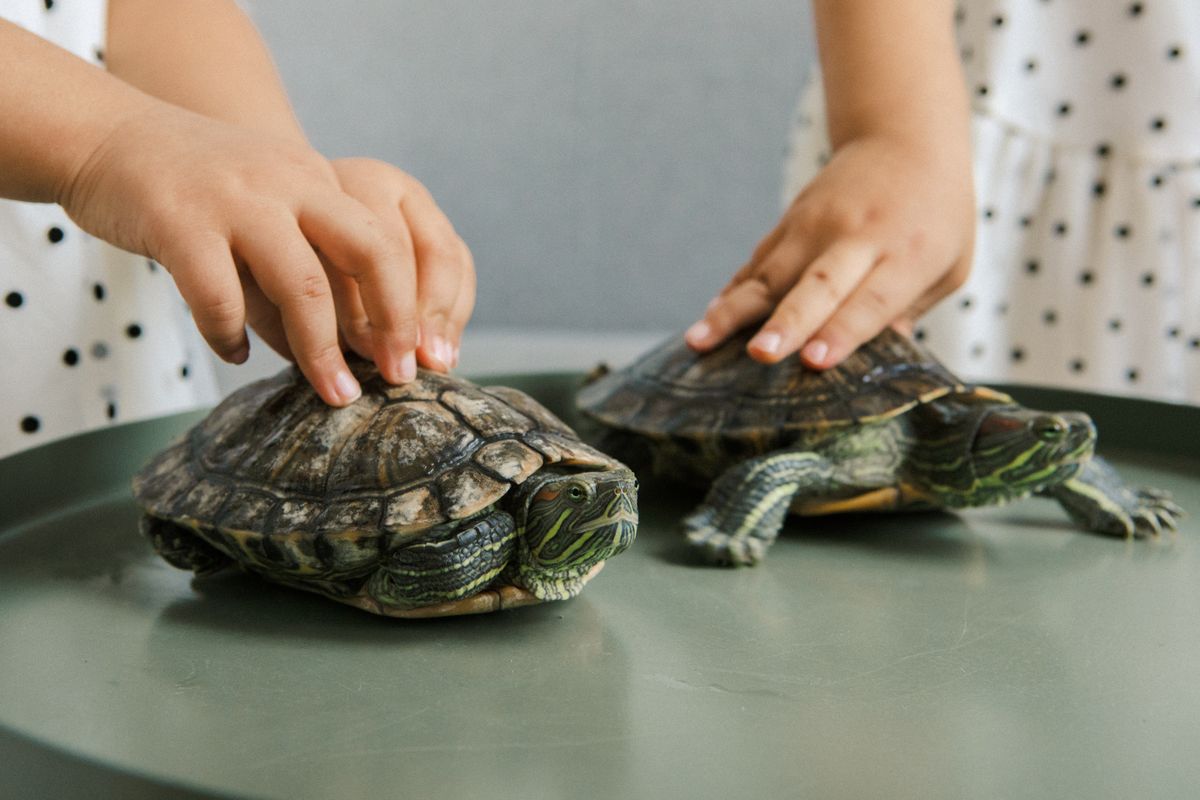
Turtles are popular pets for children, but they come with a hidden risk. Many reptiles, including turtles, naturally carry Salmonella bacteria in their gut. They usually look perfectly healthy. Here’s what families should know about Salmonella and pet turtles, and how to keep everyone safe.
Quick Answer: Turtles commonly carry Salmonella without getting sick, and they can spread it to people through their droppings, water and surfaces. Children under 5, adults over 65, pregnant people and anyone with a weakened immune system are most at risk. Wash hands after handling turtles or their supplies, keep turtles out of kitchens, and never kiss or snuggle them.
Why Turtles Carry Salmonella
Salmonella is a normal part of many reptiles’ gut bacteria. Turtles shed it in their droppings, which then contaminate their skin, shell, water and tank. A turtle that tests negative one day may shed bacteria another day.
The CDC reports that many Salmonella outbreaks have been linked to small pet turtles.
The Small Turtle Ban
Since 1975, the U.S. has banned the sale of turtles with shells less than 4 inches (10 cm) long as pets, because young children are more likely to handle or put small turtles in their mouths. Small turtles are still sometimes sold illegally at flea markets, roadside stands and online.
Who Is Most at Risk?
- Children younger than 5
- Adults 65 and older
- Pregnant people
- People with weakened immune systems, such as those having chemotherapy or living with certain chronic illnesses
Many health experts recommend that households with these individuals choose a different pet.
Symptoms of Salmonella in People
- Diarrhea, which may be bloody
- Fever
- Stomach cramps
- Nausea and vomiting
Symptoms usually start 6 hours to 6 days after infection and last 4 to 7 days. Some people, especially young children, can become seriously ill. Contact a doctor if symptoms are severe or don’t improve, and mention that you have a pet reptile.
How Salmonella Spreads From Turtles
| Route | Example |
|---|---|
| Hands | Touching a turtle, then touching your mouth or food |
| Water | Splashes from the tank or cleaning water |
| Surfaces | Counters or sinks used to clean tank items |
| Objects | Toys, decor and filters from the tank |
Safety Tips for Turtle Owners
Handling
- Wash hands with soap and water right after touching a turtle, its food or anything in its habitat.
- Use hand sanitizer if soap isn’t available, then wash as soon as you can.
- Supervise children when they handle turtles and make sure they wash hands.
- Don’t kiss or snuggle turtles.
Housing
- Keep turtles and their habitats out of kitchens and areas where food is prepared.
- Don’t let turtles roam freely in the house.
Cleaning
- Clean tanks and supplies outdoors or in a laundry tub or bathtub that you then disinfect.
- Never use the kitchen sink.
- Wear gloves when cleaning if possible.
- Dispose of dirty tank water down a toilet or outside drain rather than a sink used for food.
Buying
- Buy turtles only from reputable sellers, and never buy turtles under 4 inches.
Does My Turtle Need Antibiotics?
No. Treating healthy turtles with antibiotics doesn’t reliably eliminate Salmonella and can create antibiotic resistance. Good hygiene is the solution.
Keeping Your Turtle Healthy, Too
A healthy habitat with clean water, proper heat and UVB supports your turtle’s health. See our aquatic turtle tank setup guide and what pet turtles eat.
Other Reptiles and Amphibians
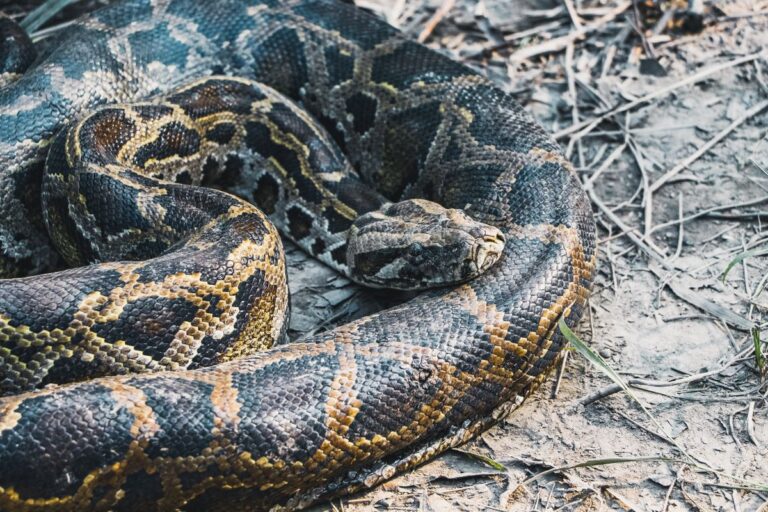
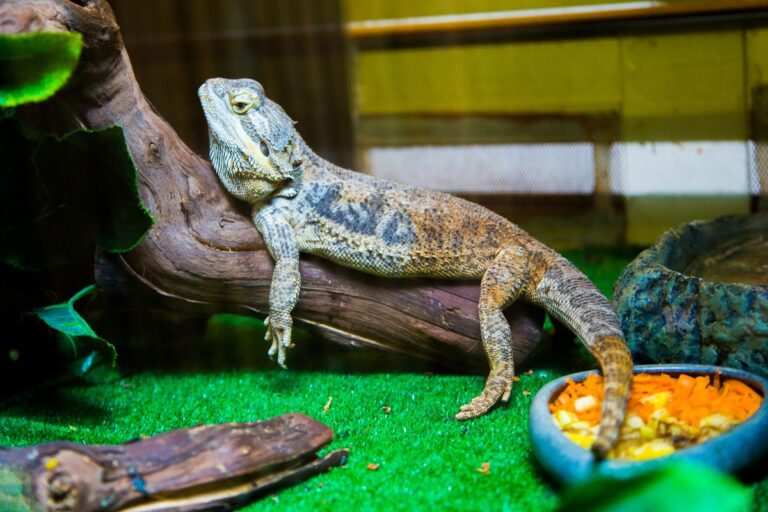
Bearded dragons, geckos, snakes, frogs and other reptiles and amphibians can also carry Salmonella. The same hygiene rules apply. See our leopard gecko care sheet.
When to See a Doctor or Vet
See a doctor if a family member has:
- Diarrhea lasting more than 3 days
- High fever
- Bloody diarrhea
- Signs of dehydration
See a reptile vet if your turtle:
- Stops eating or basking
- Has swollen eyes or shell problems
Frequently Asked Questions
Can my turtle be tested for Salmonella?
Testing is possible, but a negative test doesn’t guarantee your turtle won’t shed bacteria later. Treat all turtles as possible carriers.
Are tortoises safer than turtles?
Tortoises can carry Salmonella too. Hygiene is equally important.
Is it safe for kids to have a turtle?
Older children can enjoy turtles with adult supervision and good hygiene. Many experts advise against reptiles in homes with children under 5.
Do turtles need to be rehomed if someone gets pregnant?
Not necessarily. Talk with your doctor. Many families manage by having another person handle tank cleaning and by washing hands carefully.
Should I wear gloves when handling my turtle?
Gloves can help during tank cleaning, but handwashing is the most important step. Wash even if you wore gloves.
This article is for general information only and isn’t a substitute for professional veterinary advice. If you’re worried about your pet’s health, contact your veterinarian or an emergency animal hospital.